
Understanding the Refrigerator Cycle
A typical refrigerator compressor runs about 35% to 85% of the time at normal room temperature. It turns on when the internal thermostat detects that the temperature has risen above the set point, and it turns off once the target temperature is reached. If the fridge never reaches that target temperature, or if it loses cold air as fast as it produces it, the compressor will run continuously.
Common Causes You Can Fix Yourself
Before calling a repair technician, check these common issues that you can easily resolve:
1. Dirty Condenser Coils
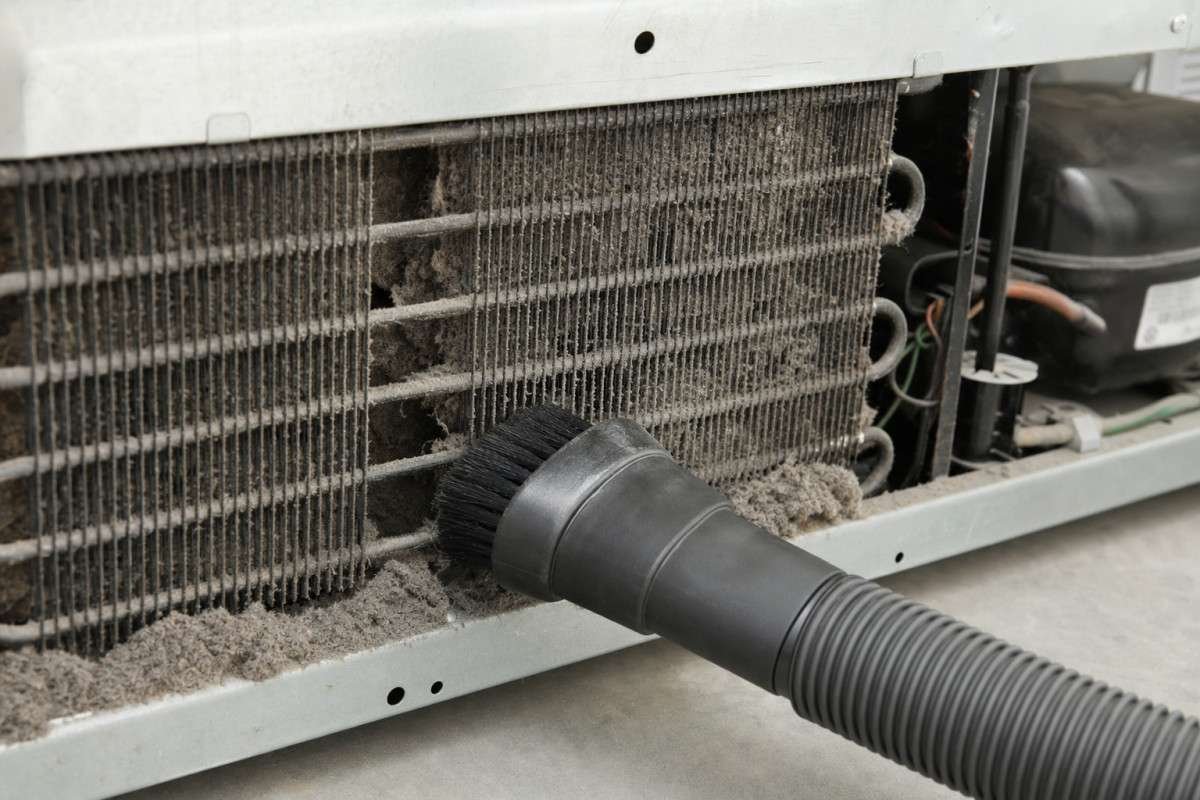
This is the most common cause of a constantly running refrigerator. The condenser coils (usually located at the bottom or back of the fridge) dissipate the heat removed from the interior. If they are coated in dust, pet hair, and grime, they cannot release heat efficiently. The compressor must work overtime to compensate.
The Fix: Unplug the fridge and use a coil brush and a vacuum cleaner to thoroughly clean the coils. This should be done every 6 to 12 months.
2. Faulty Door Gaskets
The rubber seal (gasket) around the refrigerator and freezer doors keeps cold air in and warm air out. If the gasket is torn, brittle, or dirty, warm air will constantly leak into the fridge, forcing it to run continuously to maintain the temperature.
The Fix: Clean the gaskets with warm, soapy water. To test the seal, close the door on a dollar bill. If you can pull the bill out easily without resistance, the gasket needs to be replaced.
3. Improper Temperature Settings
If the thermostat is set too low, the refrigerator will struggle to reach and maintain that temperature, especially in a warm kitchen.
The Fix: Check the settings. The FDA recommends keeping the refrigerator temperature at or below 40°F (4°C) and the freezer at 0°F (-18°C).
4. Blocked Air Vents
Cold air circulates between the freezer and the refrigerator compartments through vents. If these vents are blocked by food items, the air cannot circulate properly, leading to uneven cooling and a constantly running compressor.
The Fix: Reorganize your fridge and freezer to ensure that nothing is blocking the air vents.
| Issue | Symptom | DIY Fix |
|---|---|---|
| Dirty Coils | Fridge feels warm on the outside | Vacuum and brush coils |
| Bad Gasket | Condensation inside; dollar bill test fails | Clean or replace gasket |
| Blocked Vents | Uneven cooling; items freezing in fridge | Rearrange food |
Mechanical Issues Requiring Professional Repair
If you have cleaned the coils, checked the gaskets, and ensured proper airflow, but the fridge is still running constantly, you may have a mechanical failure.
1. Defrost System Failure
Modern refrigerators have an automatic defrost system that melts frost off the evaporator coils. If the defrost heater, defrost timer, or defrost thermostat fails, frost will build up on the coils, insulating them and preventing them from cooling the air. The compressor will run constantly trying to cool the fridge.
2. Failing Evaporator Fan Motor
The evaporator fan circulates the cold air from the coils throughout the fridge and freezer. If the fan motor fails, the cold air won’t circulate, the fridge will warm up, and the thermostat will call for continuous cooling.
3. Low Refrigerant (Freon)
If the sealed system has a leak and is low on refrigerant, the fridge cannot absorb heat effectively. The compressor will run continuously but the fridge will not get cold enough. This requires a licensed technician to locate the leak, repair it, and recharge the system.
Frequently Asked Questions
Is it dangerous if my refrigerator runs constantly?
It is not immediately dangerous, but it will significantly increase your electricity bill and shorten the lifespan of the compressor, which is the most expensive component of the refrigerator.
How long should a refrigerator run before shutting off?
A typical cycle lasts 20 to 30 minutes, but this varies widely based on the ambient temperature, how often the doors are opened, and the efficiency of the model.
Why is my fridge running constantly but not cooling?
This is a strong indicator of a major mechanical failure, such as a refrigerant leak, a failed compressor, or a completely frosted-over evaporator coil due to a defrost system failure.
Can a bad thermostat cause a fridge to run constantly?
Yes. If the temperature control thermostat is defective, it may not signal the compressor to turn off even when the target temperature is reached.
How much does it cost to replace a refrigerator compressor?
Replacing a compressor is a major repair, typically costing between $500 and $1,000, including parts and labor. If your fridge is older, it is often more cost-effective to replace the entire appliance.
Conclusion
A constantly running refrigerator is a cry for help. By starting with the simplest solutions—cleaning the condenser coils and checking the door seals—you can often resolve the issue yourself and save on energy costs. If these DIY fixes don’t work, prompt attention from a qualified appliance repair technician can prevent a minor component failure from turning into a costly compressor replacement.