
Pool inspections play a vital role in assessing the condition and safety of a residential swimming pool. The process involves a thorough evaluation of the pool’s structure, mechanical systems, safety measures, and water quality to identify defects that could lead to costly repairs or hazards. Understanding what to examine during a pool inspection helps ensure the pool is both functional and safe for use. Whether preparing to purchase a property with a pool or maintaining an existing one, knowing the key aspects of an inspection can save substantial expenses and prevent accidents.
Many pools represent a significant investment, frequently costing between $35,000 and $65,000 to build. Because of this high cost, a detailed inspection is essential before finalizing any purchase or maintenance decisions. A comprehensive pool inspection can reveal hidden problems like structural cracks, equipment failures, or safety non-compliance that may not be immediately obvious to the untrained eye. Early detection of such issues allows owners to negotiate repairs or budget for necessary upgrades, protecting the longevity and usability of the pool over time.
A properly conducted pool inspection covers multiple components, from the pool shell and deck surfaces to pumps and plumbing systems. Additionally, inspectors analyze safety features such as fencing and drain covers, along with water chemistry parameters. This holistic approach minimizes risks and helps owners plan necessary repairs or upgrades to maintain pool longevity and safety standards. Regular inspections also provide peace of mind by confirming that the pool complies with current regulations and operates efficiently.
Structural Integrity of the Pool
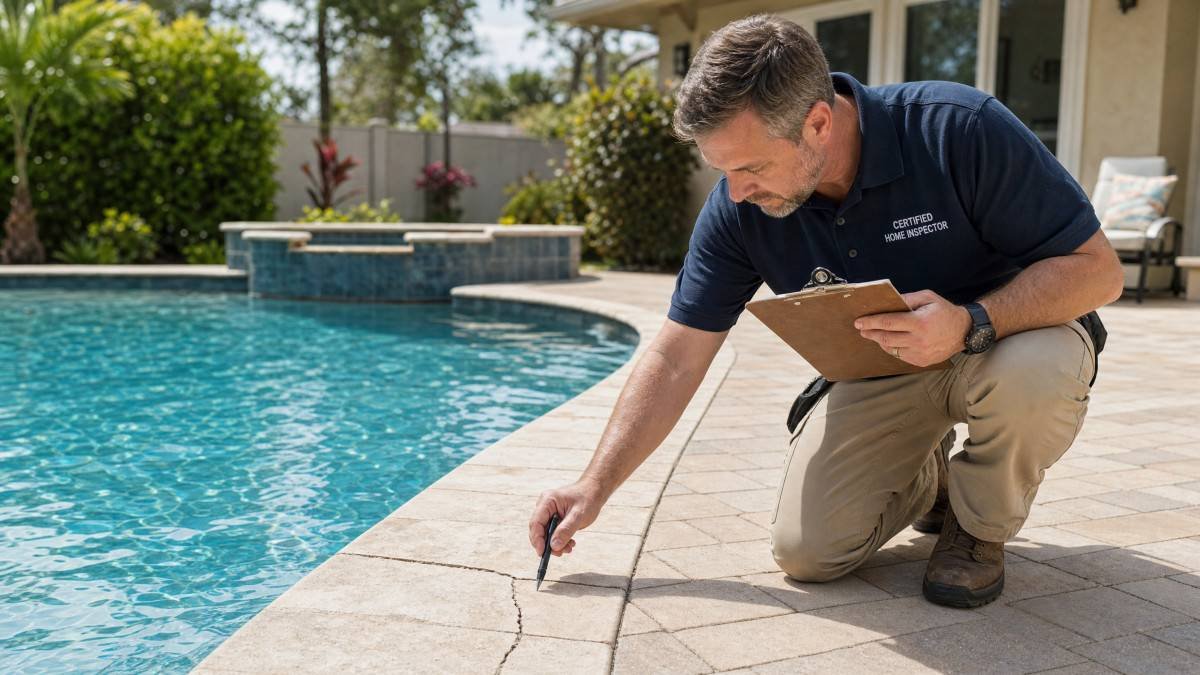
The structural condition of a swimming pool is a primary focus during inspections because it directly affects the pool’s safety and longevity. Inspectors look for cracks in the pool shell, which may vary in severity depending on the material. For example, plaster cracks are often superficial and considered normal, while cracks in gunite or concrete pools can indicate serious underlying structural issues that require immediate attention.
Besides cracks, inspectors check for signs of plaster delamination, which occurs when the plaster surface separates from the underlying pool shell, potentially leading to leaks and unsafe surfaces. The coping and deck areas are also examined closely for cracks, trip hazards, and improper drainage slopes. These issues can indicate foundation settling or water pooling problems that might accelerate structural damage if left untreated.
Inspectors also evaluate the pool’s shell for signs of stress such as bulging or uneven surfaces, which may suggest soil movement or inadequate structural support beneath the pool. Foundations that have shifted can compromise the entire pool structure, leading to costly repairs or even the need for full pool replacement. The presence of efflorescence, a white powdery residue on concrete surfaces, may also signal water intrusion or poor sealing that threatens structural integrity.
Another critical aspect of structural inspection includes assessing the condition of the pool’s tile and grout work. Damaged or missing tiles not only affect aesthetics but can expose the pool shell to water penetration, which accelerates deterioration. The inspector may also check for signs of corrosion in any embedded metal components, such as steel supports or rebar, which can weaken the pool shell over time and lead to cracks or leaks if left unaddressed.
Mechanical Equipment and Plumbing Inspection
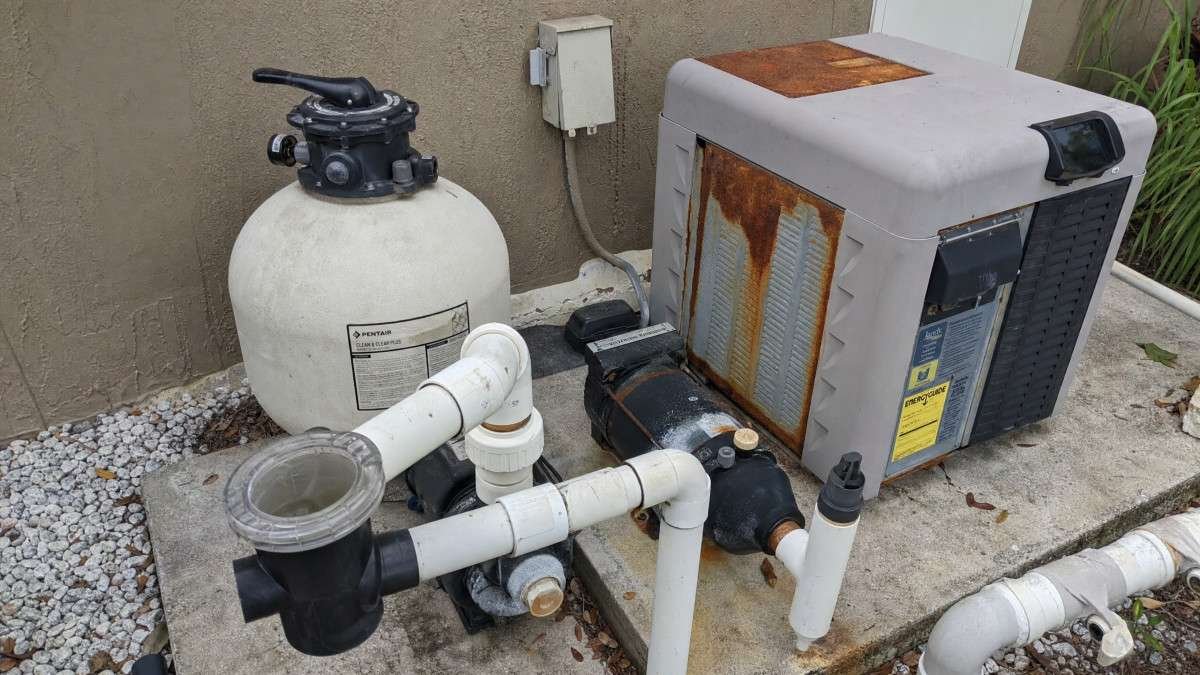
Pool equipment such as pumps, filters, heaters, and chlorinators are integral to maintaining water circulation and quality. During inspection, the operational condition and age of this equipment are assessed to determine whether repairs or replacements are necessary. Equipment failure not only disrupts pool use but can also cause water quality issues or damage to other components.
Plumbing systems are inspected for leaks at critical points like equipment pads, return jets, and skimmers. Detecting leaks early prevents water loss and expensive repairs. Leak detection methods include visual checks and specialized tests such as the bucket test for evaporation comparison and pressure testing of plumbing lines to locate hidden leaks within the system.
Inspectors also evaluate the condition of valves, seals, and connections within the mechanical system to ensure there are no signs of wear or corrosion that could lead to malfunction. The efficiency of the filtration system is reviewed, including the condition of filter media or cartridges, as clogged or damaged filters can reduce water clarity and strain the pump. For pools with heaters, the inspector will verify proper operation and ensure there are no gas leaks or electrical hazards associated with heating units.
Another important consideration is the overall energy efficiency of the pool equipment. Older pumps and heaters may consume excessive energy, leading to higher utility bills. Recommendations for upgrading to energy-efficient models or installing variable speed pumps may be provided to improve performance while reducing operational costs. Proper maintenance records, if available, are reviewed to gauge how well the equipment has been cared for over time.
Safety Features and Compliance
Ensuring pool safety features comply with regulations is another crucial aspect of inspection. Key safety elements include fencing that surrounds the pool area, self-closing gates to prevent unauthorized access, and drain covers that meet Virginia Graeme Baker (VGB) standards to reduce entrapment risk. Inspectors verify that these components are present and functioning as intended.
Additional safety considerations include checking for proper electrical bonding to reduce electrocution risks and verifying the presence and operation of Ground Fault Circuit Interrupter (GFCI) protection for underwater lighting and equipment. Clear depth markings are inspected to inform swimmers of pool depth changes, further contributing to user safety.
Inspectors also assess the adequacy of pool alarms, both for gate entry and water surface disturbance, which can provide critical warnings in case of unauthorized or accidental pool access, especially for children. The presence and condition of pool ladders and handrails are examined to ensure they are securely anchored and free from rust or sharp edges that could cause injury.
Compliance with local and state regulations regarding pool safety is verified during the inspection. This includes confirming that fencing height and spacing meet legal requirements and that signage, such as “No Diving” or emergency contact information, is visible and legible. Inspectors may also evaluate lighting around the pool deck and pathways to ensure safe nighttime use, reducing the risk of slips and falls.
Water Quality Testing
Water quality is a critical component of pool inspections, as improper chemical balance can lead to health hazards and damage pool surfaces or equipment. Inspectors test parameters such as pH, chlorine concentration, alkalinity, and cyanuric acid levels to evaluate the water’s condition. These measurements help determine if the water is safe for swimming and if the pool’s chemical maintenance routines are effective.
Maintaining balanced water chemistry prevents corrosion, scaling, and algae growth, all of which can cause structural damage or complicate pool maintenance. Regular water testing and adjustments based on inspection results are necessary to ensure the pool environment remains safe and comfortable for swimmers.
Inspectors may also check for the presence of total dissolved solids (TDS) and calcium hardness, as elevated levels can affect water clarity and contribute to scaling on pool surfaces and equipment. Testing for combined chlorine, or chloramines, helps identify if the pool is adequately sanitized or if additional shock treatments are needed to eliminate contaminants.
Water temperature is another factor considered, as warmer water can promote algae growth and increase chemical consumption. Inspectors may recommend adjustments to heating settings or chemical dosing schedules to optimize water quality. Additionally, they assess the effectiveness of sanitation systems such as saltwater chlorinators or UV treatment units where installed, ensuring these components function properly to maintain a healthy swimming environment.
Common Defects and Repair Costs
Pool inspections often reveal defects such as structural cracks, equipment failures, or non-compliant safety features. Repair costs vary depending on the issue. For example, plaster resurfacing to address surface cracks or delamination typically ranges from $5,000 to $15,000, while replacing pump or filter equipment can cost between $500 and $3,000. Safety upgrades, including fencing improvements or installing VGB-compliant drain covers, also contribute to overall costs.
Leak detection and repair are critical, as unnoticed leaks can waste water and increase utility bills. The bucket test, for example, helps differentiate between natural evaporation and actual leaks. Plumbing repairs following pressure testing vary depending on leak location and severity. Annual equipment servicing, monthly water chemistry testing, and regular deck inspections help prevent many costly repairs.
Additional common repairs include replacing worn or cracked pool liners, which can cost between $4,000 and $7,000 depending on pool size and material. Electrical repairs related to lighting and equipment wiring may range from a few hundred to several thousand dollars depending on complexity and compliance requirements. Deck resurfacing or repair to address cracks and trip hazards can cost between $3,000 and $10,000, influenced by the extent of damage and materials used.
Investing in routine preventive maintenance can significantly reduce repair costs over time. Regular cleaning, timely chemical adjustments, and prompt attention to minor cracks or leaks can prevent the escalation of problems. Pool owners should keep a maintenance log and schedule periodic professional inspections to stay ahead of potential issues and protect their investment.
| Inspection Component | Typical Issue | Estimated Repair Cost | Repair Frequency |
|---|---|---|---|
| Pool Shell | Cracks, plaster delamination | $5,000–$15,000 (resurfacing) | Every 10–15 years or as needed |
| Mechanical Equipment | Pump/filter failure | $500–$3,000 (replacement) | Every 5–10 years or as needed |
| Plumbing | Leaks at jets or skimmers | $300–$2,000 (repairs) | As detected by inspection |
| Safety Features | Non-compliant fencing or drain covers | $500–$2,500 (upgrades) | Variable, per code requirements |
| Water Quality | Chemical imbalance | Minimal (chemical adjustments) | Monthly or as needed |
Frequently Asked Questions
How often should a pool be inspected?
It is recommended that pools undergo a professional inspection at least once annually to identify potential issues early. Additionally, a pool inspection is essential before purchasing a property with a pool to assess its condition and avoid unexpected repair costs. Regular inspections help maintain safety and functionality. For pools that experience heavy use or are older, more frequent inspections may be advisable to catch wear and tear before it becomes a major problem.
What is the bucket test in pool inspections?
The bucket test compares water loss in the pool to water loss in a bucket over 24 hours to distinguish between normal evaporation and actual leaks. If the pool water level drops more than a quarter-inch beyond the bucket’s water loss, it indicates a probable leak that requires further investigation. This simple test helps pool owners avoid unnecessary repairs by confirming whether water loss is due to leaks or natural evaporation caused by weather conditions.
Why are VGB drain covers important?
Virginia Graeme Baker (VGB) compliant drain covers are designed to prevent swimmer entrapment by covering pool drains safely. These covers have been required since 2008 to reduce drowning risks caused by suction entrapment, making them a critical safety feature in pool inspections. They work by dispersing suction forces to prevent hair, limbs, or clothing from becoming trapped, thus enhancing overall pool user safety.
What is the purpose of bonding wire in a pool?
Bonding wire connects all metal components of a pool, including ladders, rails, and electrical equipment, to prevent stray electrical currents that could cause electrocution. Proper bonding ensures electrical safety by equalizing electrical potential throughout the pool structure. This reduces the risk of electrical shock by creating a continuous pathway that safely directs electrical currents away from swimmers and equipment.
How much does a pool inspection typically cost?
Pool inspection costs vary depending on the inspector’s expertise and the pool size but generally range from $150 to $500. Specialized inspectors who perform thorough evaluations of structural, mechanical, and safety components may charge higher fees reflecting the complexity involved. Some companies offer bundled inspections with home inspections, which may reduce overall costs. It is advisable to obtain multiple quotes and verify inspector credentials before scheduling the inspection.
Conclusion
A comprehensive pool inspection covers multiple critical areas including structural integrity, mechanical equipment, safety features, plumbing, and water quality. Identifying defects in any of these components helps prevent costly repairs and ensures the pool remains safe and enjoyable for users. Regular inspections, especially before purchasing a pool, are essential for maintaining investment value and user safety. Timely identification of issues allows owners to prioritize repairs and upgrades that extend the pool’s lifespan and improve overall functionality.
Understanding the scope and key points of a pool inspection enables owners and buyers to make informed decisions regarding maintenance and upgrades. Proactive care such as annual equipment servicing, chemical testing, and safety compliance checks extends the pool’s lifespan and reduces hazards, supporting a safe and well-functioning swimming environment. Consistent attention to maintenance details fosters a cleaner, healthier pool that provides enjoyment for years to come.