
The main sewer line serves as the backbone of a home’s plumbing infrastructure, responsible for transporting wastewater from sinks, toilets, showers, and other drains out to the municipal sewer system or a private septic tank, explains Gebrael Property Management. When this vital pipe sustains damage, the consequences can be severe, ranging from unpleasant odors and unsanitary conditions to significant structural damage to the home. Because sewer line repairs often involve complex procedures and can incur substantial costs, prompt recognition and action are essential to mitigate the impact and restore proper function.
Early detection of sewer line problems is crucial to avoid escalating damage and expensive emergency repairs. Homeowners should be vigilant for warning signs such as simultaneous backups in several drains, persistent foul odors both indoors and outdoors, and strange noises like gurgling coming from toilets or drains. Additionally, noticing unusually green or soggy patches of grass above the sewer line route can indicate underground leaks. These symptoms often stem from blockages, pipe collapses, or root invasions that compromise the system’s integrity, requiring professional evaluation and intervention.
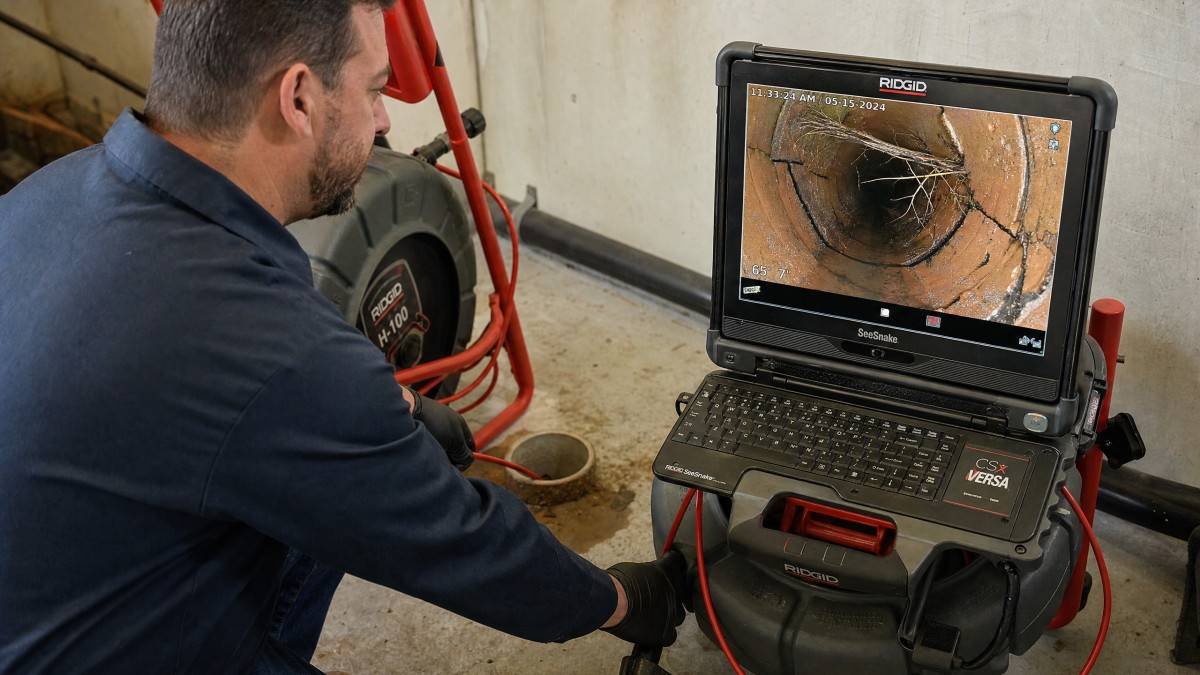
Addressing sewer line damage effectively starts with a comprehensive inspection to locate the precise point and nature of the problem. Modern diagnostic tools, especially sewer camera inspections, provide a detailed view inside the pipes without the need for disruptive digging. With accurate information, homeowners can consider a range of repair options, from less invasive trenchless techniques to traditional excavation, depending on the extent of the damage. Alongside these repairs, adopting preventive practices and regular maintenance helps extend the lifespan of sewer lines and reduce the risk of future failures.
Identifying Damaged Sewer Line Signs
Signs of a damaged sewer line can manifest in several ways, often indicating serious plumbing issues requiring prompt action. When multiple drains back up at the same time, this usually suggests a blockage in the main sewer line rather than an isolated clog. Additionally, unusual gurgling noises from toilets or drains often occur when air is trapped due to pipe damage or obstruction.
Sewage odors both inside and outside the home also point to leaks or breaks in the sewer line. Wet spots or patches of unusually green grass over the sewer route may indicate leaks underground, as sewage moisture nourishes vegetation. Structural concerns such as foundation cracks or sinkholes around the property can result from prolonged sewer line problems. Frequent clogs despite snaking efforts frequently signal deeper issues within the main line needing professional assessment.
Another subtle indicator can be slow draining fixtures scattered throughout the home, which, when coupled with the other signs, reinforce the likelihood of a damaged main sewer line. Homeowners might also notice an increase in pests such as rodents or insects attracted to the moisture and waste escaping from compromised pipes. Timely recognition of these symptoms is critical to avoid health risks and extensive property damage caused by untreated sewage leaks.
It is important to differentiate between localized drain problems and main sewer line issues, as misdiagnosis can lead to ineffective repairs and recurring problems. Consulting a qualified plumber for an accurate assessment can save homeowners time and money by targeting the root cause rather than repeatedly addressing surface symptoms.
Causes of Sewer Line Damage
Tree root intrusion is the most common cause of sewer line damage. Roots naturally seek moisture and nutrients and can penetrate small cracks or joints in aging clay or cast iron pipes, causing blockages and pipe fractures. Homes built before the 1980s often have these types of pipes, which are more prone to deterioration compared to modern PVC materials.
Other causes include pipe offset or bellies, where a low spot collects solids and leads to clogging. Ground movement from soil settling or shifting can break or misalign sewer lines. Improper flushing of non-flushable items such as wipes, grease, or sanitary products can create buildup and obstructions. Over time, these factors combine to compromise pipe integrity, necessitating repairs or replacement.
Corrosion and aging materials also contribute significantly to sewer line failures. Metal pipes, particularly those made of cast iron, are susceptible to rust and corrosion that thin the pipe walls and create holes or cracks. Chemical exposure from household cleaners or industrial waste can accelerate deterioration. Additionally, construction activities near the property can cause accidental damage or stress on buried pipes, leading to fractures or misalignment.
Environmental factors such as heavy rainfall, flooding, or changes in groundwater levels can exacerbate existing weaknesses in sewer lines. Saturated soil may shift or erode supporting material around pipes, increasing the risk of collapse. Understanding these causes helps homeowners and professionals develop effective repair and prevention strategies tailored to the specific vulnerabilities of the sewer system.
Inspection Methods for Damaged Sewer Lines
Accurate diagnosis of sewer line damage requires specialized inspection techniques. Sewer camera inspection is the definitive method, involving a waterproof video camera inserted into the pipe to provide real-time images of cracks, root intrusion, offset joints, and other defects. This inspection typically costs between $150 and $300 but offers clear evidence that guides effective repair decisions.
In addition to camera inspections, smoke testing is sometimes used to detect leaks. Smoke is blown into the sewer line, and any escaping smoke indicates cracks or holes in the pipe. Locating service marks on the surface helps identify the precise routing of underground pipes before excavation or repair. These diagnostic tools minimize unnecessary digging and help pinpoint the problem accurately.
Another emerging inspection technology is the use of sonar or acoustic testing, which detects pipe blockages and structural anomalies by analyzing sound waves traveling through the pipe. Although less common than camera inspections, these methods can complement visual data and provide additional insights into pipe condition. In some cases, ground-penetrating radar (GPR) is employed to map underground utilities and identify pipe locations without excavation, aiding in planning repairs.
Professional plumbers often combine multiple inspection methods to obtain a comprehensive understanding of the sewer system’s health. Early and accurate detection reduces repair costs and prevents unnecessary disruption to landscaping or home foundations by targeting only the affected areas during repairs.
Repair Options for Damaged Sewer Lines
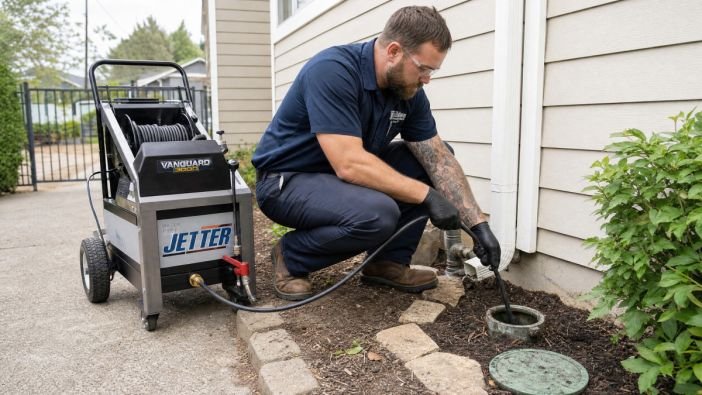
Several repair methods exist depending on the severity and location of the damage. Hydro-jetting uses high-pressure water jets to clear roots and debris from the pipe, providing a temporary fix but not addressing pipe damage. Root treatments with copper sulfate or foaming herbicides can kill roots inside pipes but do not restore pipe integrity.
Trenchless repairs such as cured-in-place pipe (CIPP) lining involve inserting an epoxy liner inside the existing pipe, creating a new pipe within the old one. This method requires no excavation and costs approximately $80 to $250 per foot. Pipe bursting involves pulling a new pipe through the old pipe, fracturing the old pipe outward while minimizing digging. Traditional excavation and replacement is the most invasive and expensive option, costing $50 to $200 per foot, but sometimes necessary for severely damaged lines.
In some situations, sectional pipe repairs can be performed where only the damaged segment is replaced, reducing labor and cost compared to full pipe replacement. Spot repairs may involve pipe patching techniques using resin or fiberglass wraps to seal cracks and prevent leaks. While these are generally temporary solutions, they can extend the pipe’s life until a more comprehensive repair is feasible.
Homeowners should also consider the disruption and restoration required by each method. Trenchless techniques typically minimize landscaping damage and recovery time, making them attractive options for properties with extensive yards or landscaping features. However, not all damage types or pipe materials are suitable for trenchless repairs, so consultation with a licensed plumber is essential to determine the best approach for each case.
| Repair Method | Description | Cost Range (per foot) | Invasiveness | Typical Lifespan |
|---|---|---|---|---|
| Hydro-jetting | High-pressure water clears roots and debris | Temporary, varies | Non-invasive | Short-term |
| Root Treatment | Copper sulfate or herbicide kills roots inside pipe | Low cost, varies | Non-invasive | Temporary |
| CIPP Pipe Lining | Epoxy liner inserted inside existing pipe | 80–250 USD | Minimal excavation | 20+ years |
| Pipe Bursting | New pipe pulled through old pipe, fracturing it | Varies by length | Minimal excavation | 50+ years |
| Excavation & Replacement | Old pipe dug up and replaced | 50–200 USD | Highly invasive | 50+ years |
Prevention of Sewer Line Damage
Preventing sewer line damage largely depends on proper usage and routine maintenance. Avoid flushing wipes, grease, or any non-flushable items down toilets or drains as these materials accumulate and can cause blockages. Regular sewer line inspections, especially before purchasing an older home, help detect early signs of deterioration or root intrusion.
Annual root treatments can prevent roots from invading sewer lines, extending pipe life. Homeowners with older clay pipes should consider proactive replacement with modern materials to reduce the risk of future failures. Maintaining the sewer line condition not only preserves home safety but also minimizes costly emergency repairs.
In addition to proper waste disposal, landscaping choices can influence sewer line health. Planting trees and large shrubs away from sewer lines reduces the risk of root intrusion. Installing root barriers and maintaining adequate soil moisture balance helps prevent aggressive root growth toward pipes. Homeowners should also be cautious when undertaking construction or heavy digging near sewer lines to avoid accidental damage.
Routine maintenance such as periodic hydro-jetting or snaking by professionals can keep pipes clear of debris and roots before they create blockages. Monitoring water usage and addressing leaks promptly also reduce strain on the sewer system. Incorporating these preventive strategies into regular home care routines significantly enhances the longevity and reliability of sewer infrastructure.
FAQ About Damaged Sewer Lines
What is the most common cause of sewer line damage?
Tree root intrusion is the most frequent cause of sewer line damage. Roots seek moisture and nutrients and can penetrate small cracks or joints in aging pipes, causing blockages and pipe fractures that disrupt wastewater flow and lead to backups. Older pipe materials like clay or cast iron are especially vulnerable to root invasion, which can expand over time and cause significant structural damage.
How much does a sewer camera inspection typically cost?
Sewer camera inspections generally cost between 150 and 300 US dollars. This method provides a clear, non-invasive view of the pipe’s interior condition, helping to identify blockages, cracks, or root intrusion for accurate repair planning. The investment in a camera inspection can save money by preventing unnecessary excavation and ensuring repairs target the actual problem area.
What is CIPP pipe lining and how much does it cost?
CIPP (cured-in-place pipe) lining is a trenchless sewer repair technique where an epoxy liner is inserted inside the damaged pipe, forming a new pipe within the old one. It costs approximately 80 to 250 US dollars per foot and requires minimal excavation. This method is popular because it reduces disruption to landscaping and offers a durable repair lasting 20 years or more.
Who is responsible for sewer line repairs, the homeowner or the city?
Homeowners are typically responsible for sewer line repairs from the house to the property line. The city or municipal authority is responsible for the main sewer line from the property line to the municipal system. Knowing this boundary helps clarify repair responsibilities and costs. Property owners should verify local regulations to understand their obligations and avoid disputes.
Does homeowner’s insurance cover sewer line damage?
Standard homeowner’s insurance policies usually exclude sewer line damage. However, homeowners can often purchase additional riders or endorsements specifically covering sewer line repairs, which may provide financial protection against costly damage. It is advisable to review insurance policies carefully and discuss coverage options with the insurer to ensure adequate protection.
Conclusion
Recognizing the signs of a damaged sewer line and addressing them promptly is essential to avoid escalating home damage and health risks. Understanding the various causes, from root intrusion to pipe deterioration, enables homeowners to identify potential vulnerabilities. Utilizing advanced inspection methods such as sewer camera technology provides precise information to guide appropriate repair choices, whether trenchless lining or full pipe replacement.
Implementing preventive measures including proper waste disposal, routine maintenance, and thoughtful landscaping protects the sewer line’s integrity over time. Awareness of repair responsibilities and insurance coverage options further empowers homeowners to manage sewer line issues effectively. Maintaining a well-functioning sewer system is vital for preserving property value, ensuring safety, and promoting a healthy living environment.