
Radon testing plays a critical role in safeguarding health by identifying the presence of radon gas inside buildings. Radon is a radioactive gas that originates from the natural decay of uranium in soil and rock, and it can accumulate in enclosed spaces such as homes and workplaces. Because radon is undetectable by human senses, specialized testing is necessary to determine whether indoor radon concentrations pose a risk.
The impact of radon exposure on public health is profound, as it is recognized as the second leading cause of lung cancer worldwide. Many people remain unaware that radon can enter any building regardless of its age or construction type. Regular testing ensures that residents can take timely measures to reduce radon levels and protect themselves and their families from its harmful effects.
In addition to the health risks, radon testing has important implications for real estate transactions and home maintenance. Prospective buyers often require radon assessments before finalizing purchases, and homeowners benefit from ongoing monitoring to maintain safe indoor environments. As awareness grows, radon testing becomes an integral component of responsible homeownership and indoor air quality management.
What Is Radon and Why Is Testing Critical?
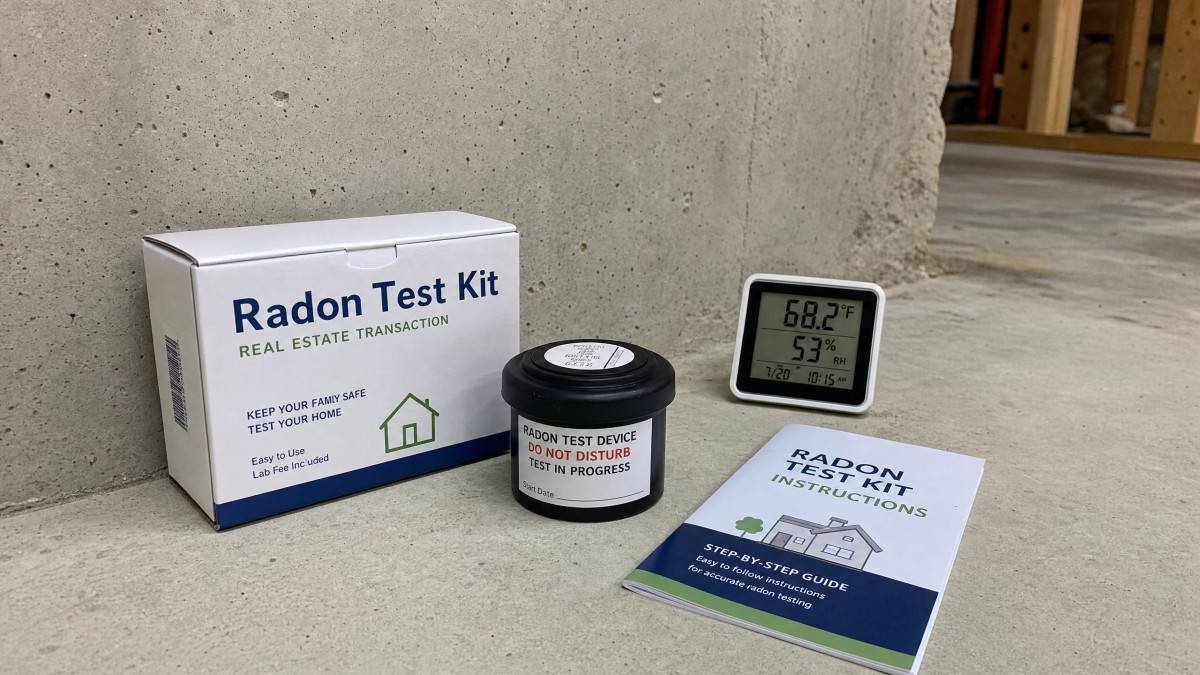
Radon is a naturally occurring radioactive gas formed from the decay of uranium found in soil and rock. It is colorless, tasteless, and odorless, making it impossible to detect without testing. The gas can seep into homes through small openings in foundations, accumulating to levels that pose serious health risks. Testing is critical because it is the only way to know if radon is present at unsafe concentrations indoors.
Radon exposure is the second leading cause of lung cancer in the United States, responsible for approximately 21,000 deaths annually according to the Environmental Protection Agency (EPA). Since radon cannot be seen or smelled, many homeowners remain unaware of its presence. Without testing, elevated radon levels can go undetected, leaving occupants vulnerable to long-term health effects. Testing creates awareness and enables necessary remediation to reduce exposure.
The levels of radon can vary widely from one geographic area to another and even between neighboring homes. This variability is due to differences in soil composition, construction methods, and ventilation practices. Because there is no reliable way to predict indoor radon concentrations based solely on location or building characteristics, testing remains the only definitive method to assess risk accurately. Early detection through testing is essential to prevent prolonged exposure and its associated health consequences.
Methods of Radon Testing: Short-Term vs Long-Term
Radon testing methods vary primarily by duration and accuracy. Short-term tests usually last between two and seven days and often utilize charcoal canisters that absorb radon gas. These tests provide a quick snapshot of radon levels and are commonly used for initial screening. Long-term tests, on the other hand, last for 90 days or more and use alpha track detectors that record cumulative radon exposure over time for a more accurate assessment.
Short-term tests are convenient and affordable, making them suitable for real estate transactions or preliminary evaluations. However, radon levels can fluctuate daily and seasonally, so long-term tests offer a more reliable picture of average exposure. Both methods have advantages depending on the situation, but if short-term results indicate elevated radon, follow-up testing with long-term devices or professional measurements is recommended for confirmation.
Professional continuous radon monitors provide another option, offering real-time, precise measurements over periods ranging from 48 hours to a week. These devices are typically used by certified radon measurement specialists and are ideal for diagnostic testing or situations that require immediate results. The choice of testing method should consider factors such as urgency, accuracy needs, and budget. Combining testing approaches can provide the most comprehensive understanding of radon levels in a building.
Causes of High Radon Levels in Homes
Several factors contribute to elevated radon levels indoors, primarily related to the natural environment and building characteristics. Local geology plays a significant role, as uranium-rich soil and permeable ground allow more radon to escape into the air. Soil permeability affects how easily radon gas travels from the ground into structures. Areas with sandy or gravelly soil tend to have higher radon risks due to increased gas movement.
The type and condition of a home’s foundation also influence radon infiltration. Homes built on slabs or with basement foundations containing cracks or openings provide entry points for radon gas. Construction features such as gaps around pipes, sump pits, and floor-wall joints can further allow radon to enter living spaces. Poorly sealed foundations and inadequate ventilation can exacerbate radon accumulation indoors.
Seasonal and weather changes can also affect indoor radon concentrations. During colder months, homes tend to be sealed more tightly, trapping radon inside and causing higher levels. Variations in atmospheric pressure, wind, and soil moisture can influence how much radon seeps indoors. Additionally, modifications such as new construction, renovations, or changes in HVAC systems may alter airflow patterns and impact radon entry. Continuous awareness and periodic retesting after such changes are advisable to maintain safe conditions.
How Radon Levels Are Addressed: Mitigation Options
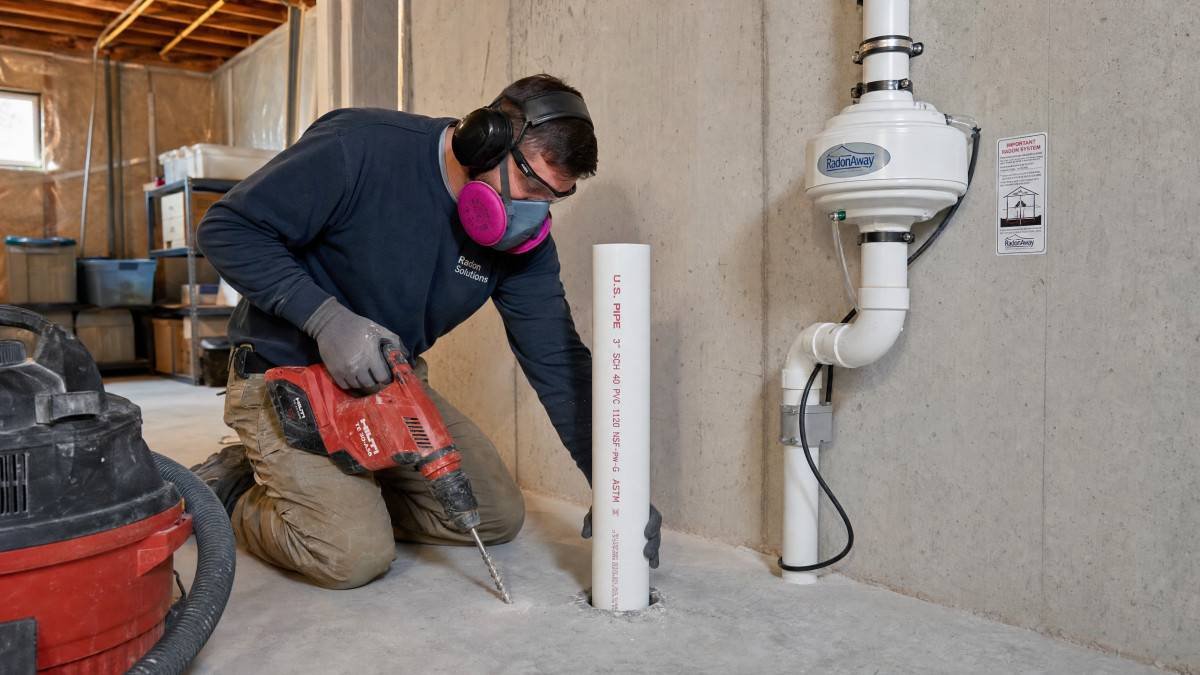
When testing reveals radon concentrations at or above the EPA action level of 4 picocuries per liter (pCi/L), mitigation measures become necessary to reduce exposure. The most common and effective solution is sub-slab depressurization, which involves installing a vent pipe and fan system beneath the foundation to draw radon gas away from the building and release it safely outdoors. This method typically reduces radon levels significantly.
Other mitigation techniques include sealing foundation cracks and openings to limit radon entry and increasing ventilation to dilute indoor radon concentrations. In some cases, combinations of these approaches are used for optimal results. Professional radon mitigation systems are designed to operate continuously and require periodic maintenance to ensure ongoing effectiveness. Homeowners are advised to retest after mitigation to verify radon reduction.
Technological advancements have introduced additional mitigation options such as sub-membrane depressurization for crawl spaces and heat recovery ventilators that enhance air exchange while conserving energy. Selecting the appropriate system depends on the building type, radon levels, and specific site conditions. Engaging certified radon mitigation professionals ensures proper system design, installation, and compliance with local regulations, resulting in reliable and long-lasting radon reduction.
| Testing Method | Duration | Typical Device | Accuracy | Use Case |
|---|---|---|---|---|
| Short-Term Test | 2 to 7 days | Charcoal Canister | Moderate | Initial screening, real estate transactions |
| Long-Term Test | 90+ days | Alpha Track Detector | High | Accurate average radon level assessment |
| Professional Continuous Monitor | 48 hours to 7 days | Electronic Monitor | Very High | Precise diagnostic testing by experts |
Recommendations for Testing Frequency and Prevention
Regular radon testing is vital because radon levels can change over time due to alterations in soil conditions, home renovations, or changes in ventilation. The EPA recommends testing every two years to monitor radon levels consistently. Testing is also advised after significant home improvements, foundation repairs, or changes to heating and ventilation systems that might affect radon entry or air circulation.
Testing before buying or selling a home is another critical prevention measure. Since any home can have elevated radon regardless of age, construction type, or location, testing ensures informed decisions. Adopting routine testing and mitigation if necessary helps maintain healthy indoor air quality and reduces long-term health risks associated with radon exposure.
In addition to testing frequency, homeowners can adopt preventive practices such as maintaining proper sealing of foundation cracks and ensuring adequate ventilation in basements and crawl spaces. Awareness of local radon risk maps and community resources can provide useful guidance for prioritizing radon testing and mitigation efforts. Education about radon hazards and proactive management encourages safer homes and healthier living environments for families and occupants.
Frequently Asked Questions About Radon Testing
How dangerous is radon exposure?
Radon is the second leading cause of lung cancer in the United States after smoking. It is responsible for about 21,000 lung cancer deaths annually. Prolonged exposure to elevated radon levels significantly increases lung cancer risk, especially for smokers or those with existing respiratory conditions. Early detection through testing is crucial to reduce this health hazard.
How can I test my home for radon?
Homeowners can test radon levels using short-term charcoal canister kits or long-term alpha track detectors available for purchase. Short-term tests provide quick results, while long-term tests offer more accurate averages over several months. Professional radon measurement services are also available for precise testing and diagnosis.
What is a safe level of radon in the home?
The Environmental Protection Agency recommends taking corrective action if indoor radon levels reach or exceed 4 picocuries per liter (pCi/L). Levels below this threshold are considered acceptable but testing should continue periodically, as even lower levels carry some risk. Reducing radon exposure as much as possible is advisable for health protection.
Can elevated radon levels be fixed?
Yes, elevated radon levels can be effectively lowered through mitigation systems such as sub-slab depressurization, which vents radon gas outside the home. Sealing cracks and improving ventilation also help reduce indoor radon concentrations. Professional installation and follow-up testing ensure successful radon reduction.
Do all homes have radon problems?
Radon can be found in any home regardless of age, type, or location. While some areas have higher natural radon potential due to geology, elevated radon levels have been detected in homes across diverse regions. Testing is the only way to determine if a specific home has a radon problem.
How long do radon tests typically take to provide results?
Short-term radon tests generally take between two and seven days to complete, with results available shortly after the testing period. Long-term tests extend over three months or more, providing averaged radon levels over time for higher accuracy. Professional continuous monitors can offer results within 48 hours to a week, depending on the device and testing protocol.
Does improving ventilation reduce radon levels effectively?
Increasing ventilation can help lower radon concentrations by diluting indoor air; however, it is often insufficient as a sole mitigation method in homes with high radon levels. Ventilation strategies may supplement other mitigation systems but are generally not effective enough to reduce radon below recommended action levels on their own. Properly designed radon mitigation systems remain necessary for significant reductions.
Conclusion
Understanding the importance of radon testing is vital for maintaining safe indoor air quality. Since radon is a naturally occurring yet invisible and odorless gas linked to a significant number of lung cancer deaths, testing is the only reliable method to detect its presence. Regular testing, combined with appropriate mitigation when necessary, can significantly reduce health risks for occupants.
Given that any home can have elevated radon levels regardless of construction or location, routine testing every two years or after renovations is a prudent safety measure. Implementing radon mitigation systems effectively lowers dangerous concentrations and protects residents. Awareness and proactive action regarding radon ensure healthier living environments over time.