
Many mortgage lenders require a pest inspection as part of the approval process, emphasizing its role in real estate transactions. Termites alone cause billions of dollars in property damage annually, making inspections indispensable for both buyers and sellers. These evaluations provide detailed reports that reveal active infestations, prior damage, and environmental conditions favoring pest development. Such comprehensive assessments offer peace of mind and ensure that any pest-related concerns are transparently handled before property ownership changes hands.
Understanding what a pest inspection entails, the areas examined, the signs inspectors look for, and the treatment and prevention measures available is essential for maintaining property value. Regular inspections also help owners address potential pest issues before they escalate, ensuring long-term protection of their investment. This knowledge facilitates informed decisions regarding pest management strategies. Additionally, awareness of pest activity patterns and vulnerabilities in building structures empowers owners to implement proactive measures that reduce the likelihood of infestations.
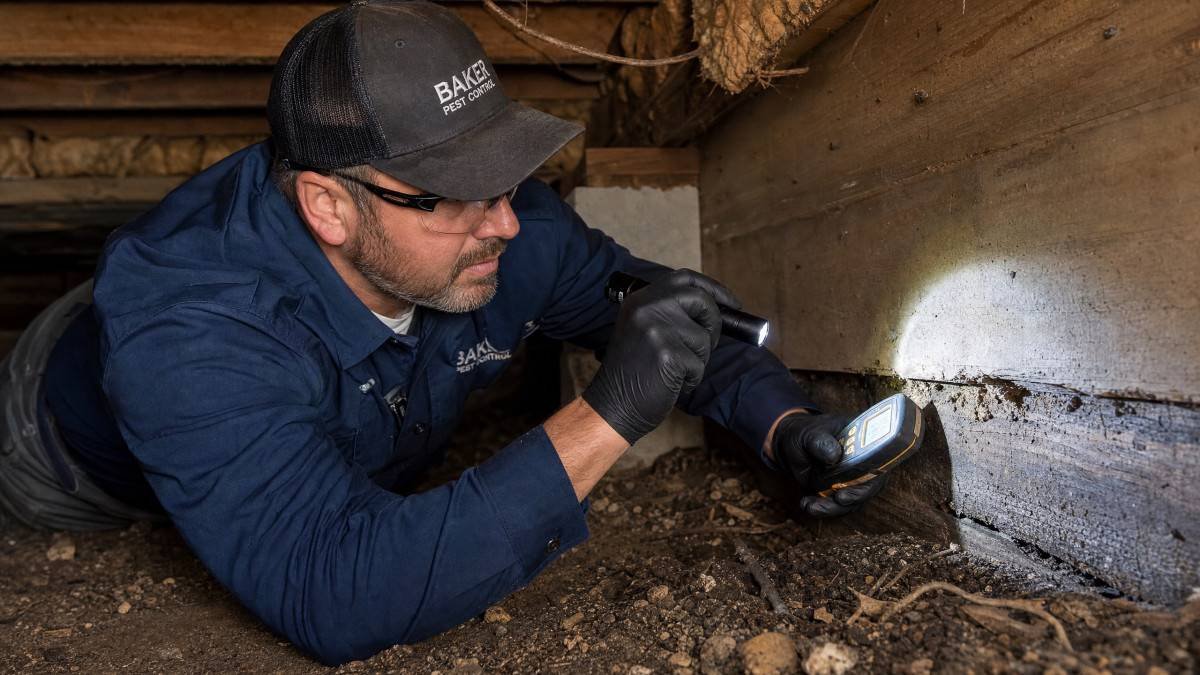
What Is a Pest Inspection and What Does It Cover?
A pest inspection is a professional assessment that identifies the presence of wood-destroying insects and fungi within a property. It typically includes checking for subterranean, drywood, and dampwood termites, as well as wood-boring beetles such as powderpost and old house borers. The inspection also screens for wood-decaying fungi like wet rot and dry rot, which degrade wood strength and integrity. The inspector carefully examines structural components such as floor joists, wall studs, beams, and other wood elements that may be susceptible to pest attack or fungal decay.
Inspectors look beyond termites, identifying signs of carpenter ants and rodents that can cause structural or cosmetic damage. The aim is to evaluate any evidence of infestation and damage, along with environmental factors like moisture that create favorable conditions for pests. The detailed report generated helps homeowners and buyers understand the risks and necessary treatments. Inspectors may also assess ventilation, drainage, and landscaping conditions that contribute to pest attraction and proliferation, offering recommendations for mitigating these risk factors.
During the inspection, various tools and techniques are used, including moisture meters, flashlights, and sometimes even specialized cameras to detect hidden infestations. The thorough nature of the evaluation ensures that even subtle indications of pest presence or conducive conditions are identified. This level of scrutiny is important for early detection, as many pests are capable of causing significant damage before visible signs emerge.
Inspection Areas and Common Signs of Infestation
Pest inspections focus on areas where wood is vulnerable and moisture is present, as these conditions attract wood-destroying organisms. Crawl spaces and basements are primary locations inspected because they often have soil contact and humidity conducive to termite activity. Attics, garages, exterior wood components like siding, trim, decks, and fences also receive scrutiny due to potential pest access. Inspectors pay special attention to areas where wood meets soil or where water intrusion is common, as these environments provide ideal conditions for pests to thrive.
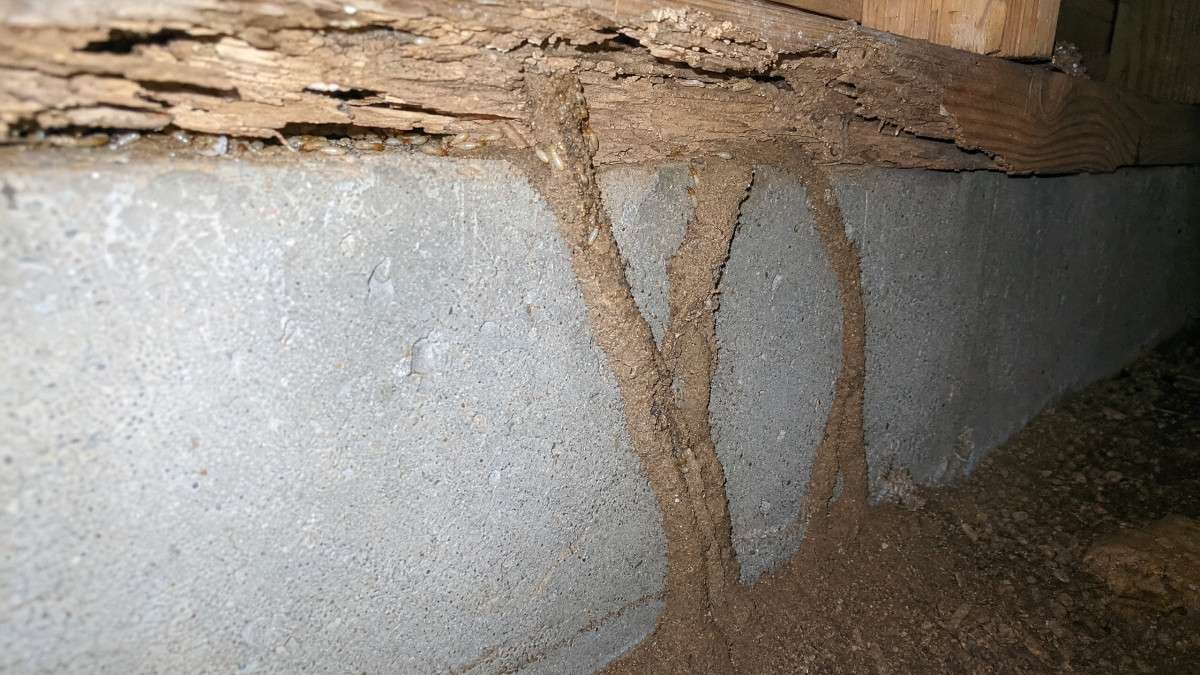
Typical signs found during an inspection include mud tubes constructed by subterranean termites, which serve as protective tunnels for foraging. Frass, or insect droppings, indicates active wood-boring beetle or termite presence. Inspectors listen for hollow sounds in wood, check for exit holes, and observe discoloration or moisture damage that weakens wood and encourages infestations. These indicators guide treatment decisions. In addition, cracks in paint, blistering wood surfaces, or unexplained sagging can also signal pest-related damage that warrants further investigation.
Besides visible signs, inspectors also consider environmental conditions that promote infestations. High humidity, poor drainage, and accumulation of organic debris near foundations can increase the likelihood of pest problems. Inspectors may recommend improvements such as grading soil away from the foundation or repairing leaks to reduce moisture. Monitoring these risk factors is vital for preventing future infestations and preserving the integrity of the property.
Treatment Options and Prevention Methods
Treatment varies depending on the pest type and infestation severity. Subterranean termites require soil treatments with liquid termiticides or bait stations to eliminate colonies. Drywood termite infestations are often controlled through fumigation or localized heat or cold treatments to eradicate pests within the wood. Wood-boring beetles respond to borate applications that penetrate wood and disrupt insect development. Selecting the appropriate treatment involves assessing the extent of infestation and balancing effectiveness with the least disruption to occupants.
Prevention focuses on removing conditions that attract pests. Eliminating direct wood-to-soil contact reduces termite access. Moisture control through fixing leaks and maintaining proper ventilation decreases fungal growth. Maintaining an 18-inch clearance between soil and wood framing in crawl spaces limits infestation opportunities. Annual inspections are recommended in high-risk regions to detect problems early. Additionally, landscaping choices such as avoiding mulch directly against foundation walls and ensuring downspouts direct water away from the house can significantly reduce pest attraction.
Implementing integrated pest management principles also enhances long-term protection. This involves combining physical barriers, chemical treatments, and environmental modifications to create inhospitable conditions for pests. Educating property owners on proper maintenance and early symptom recognition helps sustain these efforts. In some cases, installing termite shields or mesh barriers during construction can serve as preventative measures that reduce reliance on chemical treatments later.
Comparison of Common Pest Treatment Options
The table below summarizes key treatment methods, their typical costs, and targeted pests to provide a clear overview for property owners evaluating pest control solutions.
| Treatment Method | Target Pest | Typical Cost Range | Application Details |
|---|---|---|---|
| Liquid Termiticide Soil Treatment | Subterranean Termites | $700–$1,500 | Applied around foundation to create chemical barrier |
| Bait Stations | Subterranean Termites | $800–$1,600 | Placed around property to attract and eliminate colonies |
| Fumigation (Tenting) | Drywood Termites | $1,200–$2,500 | Whole-house treatment using gas to eradicate pests |
| Localized Heat or Cold Treatment | Drywood Termites | $1,000–$2,000 | Targeted pest elimination in infested wood areas |
| Borate Wood Treatment | Wood-Boring Beetles | $500–$1,200 | Application penetrates wood to kill larvae and prevent infestations |
FAQ About Pest Inspections
How often should a pest inspection be done?
In termite-prone areas, an annual pest inspection is recommended to catch infestations early. Additionally, inspections are typically conducted during every real estate transaction to ensure property safety before sale or purchase. Regular evaluations help maintain a pest-free environment and prevent extensive damage. Property owners should also consider inspections after major weather events that could alter moisture levels or expose vulnerabilities in the structure.
What is the cost of a pest inspection?
The cost for a standard pest inspection generally ranges from $75 to $150 depending on property size and location. This fee covers a thorough examination and a detailed report outlining any findings. Some companies may offer package deals when combined with treatment services. Costs may increase for larger properties or those with complex layouts, as more time and specialized equipment might be required for a comprehensive assessment.
How much does fumigation cost?
Fumigation for drywood termites usually costs between $1,200 and $2,500 for an average-sized home. The price varies based on the home’s size, structural complexity, and local market rates. Fumigation requires tenting the structure and evacuating occupants during treatment. Preparations for fumigation can also involve removing plants and pets from the premises, which should be factored into planning and budgeting for this service.
What is a termite bond?
A termite bond is an annual service contract that covers ongoing termite monitoring and re-treatment if necessary. It provides property owners with long-term protection and peace of mind, ensuring that infestations are addressed promptly without additional inspection fees. These bonds often include periodic inspections and preventive treatments, offering a proactive approach that reduces the risk of severe termite damage over time.
Who pays for pest inspection in real estate transactions?
Typically, the seller is responsible for paying for the pest inspection and any required treatment before closing. However, this can vary depending on local customs and contract negotiations. Buyers should clarify these responsibilities during the purchase process. In some cases, buyers may agree to cover inspection costs or negotiate repairs based on the findings, which underscores the importance of clear communication and understanding of regional real estate practices.
Conclusion
Pest inspections serve as a crucial step in protecting properties from costly and destructive wood-destroying organisms. They provide vital information on the presence of termites, beetles, fungi, and other pests that threaten structural integrity. Early detection through comprehensive inspections enables timely treatment and prevention, preserving property value and safety. Maintaining vigilance against pest threats helps avoid unforeseen expenses and structural failures that can severely impact a building’s usability.
Understanding inspection areas, common signs, treatment options, and preventive measures equips property owners with the knowledge to manage pest risks effectively. Regular inspections, especially in vulnerable regions or before real estate transactions, are indispensable for maintaining a secure and pest-free environment over time. Proactive care and ongoing maintenance create a resilient defense that safeguards investments and promotes healthy living conditions within the property.