
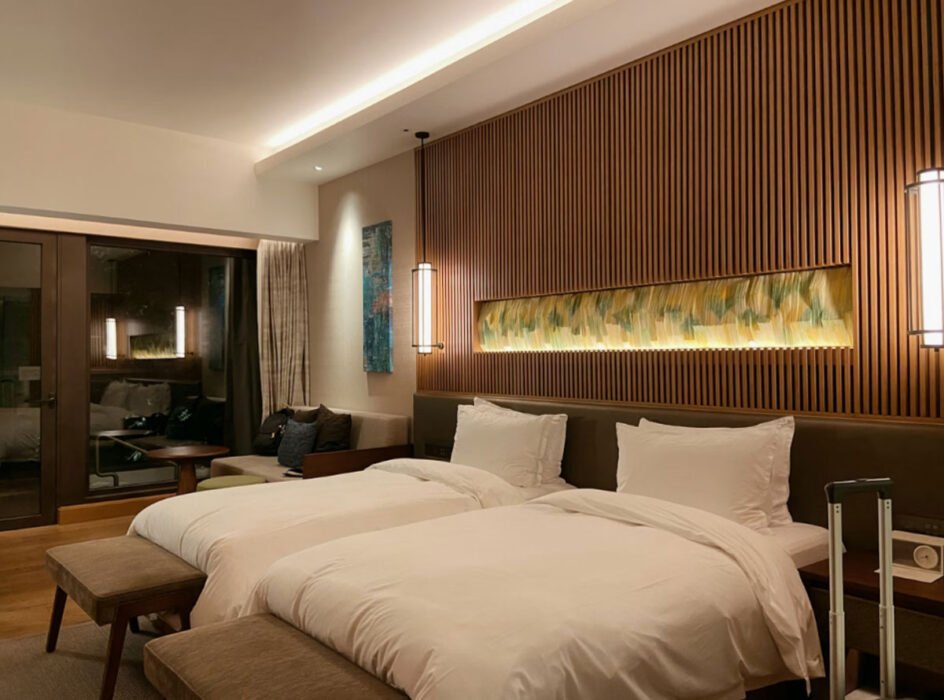
The boutique hospitality space is evolving fast. Guests are no longer impressed by standard luxury alone. They want personality, story, and a sense of place. For interior designers and homeowners exploring hospitality-inspired living, understanding boutique hotel design trends 2026 is essential.
This year, the focus is on immersive experiences, sustainability, and flexible design that feels both personal and memorable. Below are the top 10 trends shaping boutique hotels in 2026 and how you can apply them.
1. Hyper-Personalized Guest Experiences
Boutique hotels are moving beyond one-size-fits-all rooms. Design now supports personalization at every level.
Think adjustable lighting scenes, modular furniture layouts, and customizable décor elements. Guests expect rooms that adapt to their mood, whether for work, rest, or socializing.
For designers, this means integrating smart systems and flexible layouts into hotel interior design from the start.
2. Local Culture as a Design Narrative
Generic luxury is fading. Instead, hotels are telling stories rooted in local culture.
Design elements often include:
- Locally sourced materials
- Handmade artisan décor
- Regional color palettes and patterns
A boutique hotel in Kyoto feels completely different from one in Barcelona, and that’s intentional. The goal is to create a sense of authenticity guests cannot replicate at home.
3. Residential Comfort with Elevated Style
Guests want to feel at home, but better.
In 2026, hotel room interior design is blending residential warmth with boutique sophistication:
- Soft, layered textiles
- Lounge-style seating instead of rigid layouts
- Open wardrobes and curated shelving
This approach also appeals to homeowners who want their spaces to feel hotel-inspired without losing comfort.
4. Sustainable and Regenerative Design
Sustainability is no longer optional. It’s expected.
Leading boutique hotels are going beyond eco-friendly materials and focusing on regenerative design:
- Reclaimed wood and recycled finishes
- Energy-efficient lighting and climate systems
- Biophilic elements like indoor plants and green walls
Designers are also prioritizing durability to reduce long-term waste.
5. Multi-Functional Public Spaces
The traditional hotel lobby is evolving into a hybrid space.
In 2026, lobbies function as:
- Co-working hubs
- Social lounges
- Café-style meeting areas
Furniture is modular, and layouts shift throughout the day. This trend pushes designers to rethink zoning within hotel interior design, making every square meter more valuable.
6. Statement Bathrooms as Experience Zones
Bathrooms are no longer secondary spaces. They are becoming key selling points.
Expect:
- Freestanding tubs positioned as focal points
- Spa-inspired layouts with natural materials
- Open or semi-open bathroom concepts
Lighting plays a major role here, creating a calming, immersive atmosphere that enhances the guest experience.
7. Technology That Disappears
Guests want convenience, not complexity.
The best boutique hotels in 2026 integrate technology seamlessly:
- Hidden charging stations
- Voice-controlled lighting and climate
- Smart mirrors and touchless controls
The key is subtlety. Technology should enhance the design, not dominate it.
8. Bold, Artistic Expressions
Boutique hotels are embracing artistic risk.
Designers are using:
- Oversized art pieces
- Sculptural furniture
- Unexpected color combinations
Each space becomes visually distinct and Instagram-worthy. This trend is especially important for brand identity and guest recall.
9. Wellness-Focused Design
Wellness continues to influence every aspect of design.
In 2026, boutique hotels incorporate:
- Circadian lighting systems
- Air purification and natural ventilation
- Quiet zones and meditation corners
Even hotel room interior design now considers sleep quality, acoustics, and mental well-being.
10. Seamless Indoor-Outdoor Living
The boundary between indoors and outdoors is disappearing.
Design strategies include:
- Large sliding glass doors
- Private terraces or balconies
- Natural materials that transition between spaces
This trend enhances the sense of openness and connects guests with their environment, which is especially valuable in urban boutique hotels.
How Designers and Homeowners Can Apply These Trends
While these trends are rooted in hospitality, they translate well into residential projects.
Interior designers can:
- Use modular furniture for flexibility
- Incorporate local materials for authenticity
- Focus on layered lighting for mood control
Homeowners can:
- Create hotel-inspired bedrooms with soft textures and clean layouts
- Upgrade bathrooms into spa-like retreats
- Add personalized design elements that reflect their lifestyle
The goal is not to replicate a hotel exactly, but to borrow the best ideas and adapt them.
Why Boutique Hotel Design Matters More Than Ever
Boutique hotels compete on experience, not scale. Design is their strongest tool.
A well-designed space:
- Increases guest satisfaction
- Encourages repeat visits
- Strengthens brand identity
For designers, staying ahead of boutique hotel design trends 2026 is not just about aesthetics. It’s about creating meaningful, memorable environments.
Conclusion
If you are planning a hospitality project or looking to bring boutique hotel quality into your space, having the right partner makes all the difference.
OPPOLIA offers turnkey interior solutions, from hotel lobby to guest room, allowing you to enjoy a true one-stop experience. With exports to over 100 countries and more than 10,000 completed projects, OPPOLIA brings both global expertise and proven reliability.
If you are searching for a trusted partner for commercial projects, OPPOLIA is a strong choice. Learn more about OPPOLIA’s hotel solutions and contact their team today for a free quote.
By applying these trends thoughtfully, you can create spaces that are not only stylish but also deeply engaging. That’s what defines boutique design in 2026.