
Sump pumps serve as crucial devices that protect basements and crawl spaces by removing excess groundwater collected in sump pits. When functioning properly, they prevent flooding and water damage caused by rising water tables or heavy rainfall. Their role is especially vital in areas prone to frequent storms or where the water table is naturally high. A reliable sump pump system keeps homes dry, preserves structural integrity, and prevents the growth of mold and mildew associated with moisture intrusion.
However, a failing sump pump can lead to serious issues including persistent moisture problems and structural damage. Water intrusion can weaken foundation walls, cause flooring to warp, and promote unhealthy indoor air quality. Many homeowners do not realize the importance of a sump pump until it fails during a heavy rain event, leaving them vulnerable to costly repairs and potential displacement. Recognizing early signs of failure is essential to avoid these scenarios and maintain a dry, safe home environment.
Early detection of sump pump problems allows for timely repairs or replacement before water damage occurs. Routine inspection and maintenance play a vital role in identifying problems before they escalate. Testing the sump pump by pouring water into the pit to activate the float switch, checking for blockages in the discharge pipe, and verifying the power supply are practical steps homeowners can perform. Understanding these signs and inspection methods helps ensure the sump pump operates efficiently and reliably when needed most, providing peace of mind and protecting home investments.
Common Signs of Sump Pump Failure
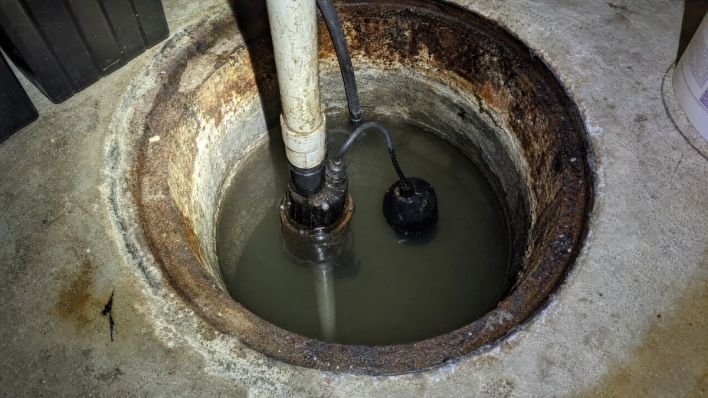
Recognizing the common signs of sump pump failure can prevent significant water damage in a home’s basement or crawl space. One of the most noticeable problems is when the pump runs continuously or cycles on and off rapidly, a condition known as short cycling. This usually indicates the pump is struggling to manage the water volume or the float switch is malfunctioning. Another clear sign is when the pump runs but the water level in the sump pit does not drop, suggesting the pump may not be effectively removing water.
Unusual noises such as grinding, rattling, or humming without water discharge also indicate mechanical issues. Visible rust and corrosion on the pump housing signify deterioration, which can affect operation. Additionally, a musty odor coming from the sump pit may indicate stagnant water due to pump failure. If the pump fails to activate when water rises, it is a critical warning that the system is not working properly and requires immediate inspection or repair.
Another indication to watch for is water pooling around the sump pit or basement floor, which suggests the pump is not removing water as it should. Sometimes, homeowners notice that the pump starts later than usual or runs longer than normal during rainstorms. These subtle changes in operation often precede complete failure and should prompt a thorough check. Paying attention to these signs and responding promptly can save considerable effort and expense in preventing water damage.
Moreover, fluctuations in electrical performance such as circuit breaker trips or a pump that won’t start despite power availability can also signal underlying issues. Problems with the power source, wiring, or motor can cause a sump pump to malfunction. Staying alert to these electrical symptoms and addressing them quickly helps maintain the pump’s reliability and prevents unexpected downtime during heavy rains.
Inspection Methods for Sump Pump Health
Regular inspection is essential to verify that a sump pump is functioning correctly. Pouring water into the sump pit triggers the float switch, which should activate the pump promptly. If the pump does not start or delays, the float switch or motor may be faulty. Listening closely for unusual sounds during operation can also help detect internal issues such as a worn impeller or motor problems. Checking the discharge pipe for blockages is critical, as clogs prevent water from draining properly and cause the pump to overwork.
Inspecting the check valve on the discharge pipe is important since it prevents backflow into the sump pit. A malfunctioning check valve can cause the pump to cycle unnecessarily or fail to remove water effectively. Measuring the pit depth and water level provides insight into whether the pump is keeping pace with groundwater infiltration. Finally, ensuring the sump pump is connected to a reliable power source and testing the GFCI outlet helps avoid electrical failures that can incapacitate the pump.
In addition to these steps, it is beneficial to visually inspect the sump pit for accumulated debris or sediment that can obstruct pump operation. Removing silt and dirt buildup improves water flow and reduces strain on the pump motor. Observing the float switch movement for smooth, unrestricted travel ensures proper activation and shutdown. Homeowners can also check the discharge line outside the home to confirm water is flowing freely away from the foundation, preventing re-entry into the basement area.
Seasonal inspections are recommended, especially before and after periods of heavy rainfall or snowmelt. These inspections allow for early detection of potential problems and timely intervention. Monitoring the pump’s electrical connections and ensuring there is no corrosion or loose wiring helps maintain consistent power delivery. Keeping a record of inspection dates and any maintenance performed provides a useful history for troubleshooting and scheduling future service.
Common Causes and Fixes for Failing Sump Pumps
Several factors can lead to sump pump failure. A float switch stuck or tangled in debris is a frequent cause of continuous or erratic pump operation. Clogged intake screens restrict water flow, causing the pump to work harder and potentially overheat. Mechanical wear such as a worn impeller or a burned-out motor can prevent the pump from functioning. Discharge pipes that freeze or become blocked also impede water removal. Power outages without backup systems leave the pump inactive when it is most needed.
Fixing these issues often involves cleaning the intake screen and clearing any debris from the pit. Adjusting or replacing the float switch ensures proper activation. Replacing a faulty check valve or clearing blockages in the discharge pipe restores effective drainage. In cases where the pump is beyond repair, replacement is necessary. Submersible pumps typically cost between 150 and 400 dollars, while pedestal pumps range from 60 to 170 dollars. Adding a battery backup helps maintain operation during power failures.
Another common cause of failure is improper installation or sizing of the sump pump. A pump that is too small may struggle to handle water volume during heavy rain, leading to premature wear. Conversely, an oversized pump may cycle excessively, causing unnecessary strain. Ensuring the pump is correctly matched to the sump pit dimensions and expected water infiltration rates improves longevity and performance. Periodic professional evaluation can identify such mismatches and recommend upgrades as needed.
Electrical issues such as damaged wiring, corroded connections, or faulty float switches often contribute to pump failure. Repairing or replacing these components can restore function without the need for a full pump replacement. Additionally, installing surge protectors and ensuring the pump’s power source is stable helps prevent electrical damage. In colder climates, insulating discharge pipes prevents freezing that can block water flow and cause system malfunction during winter months.
Comparison of Sump Pump Types and Costs
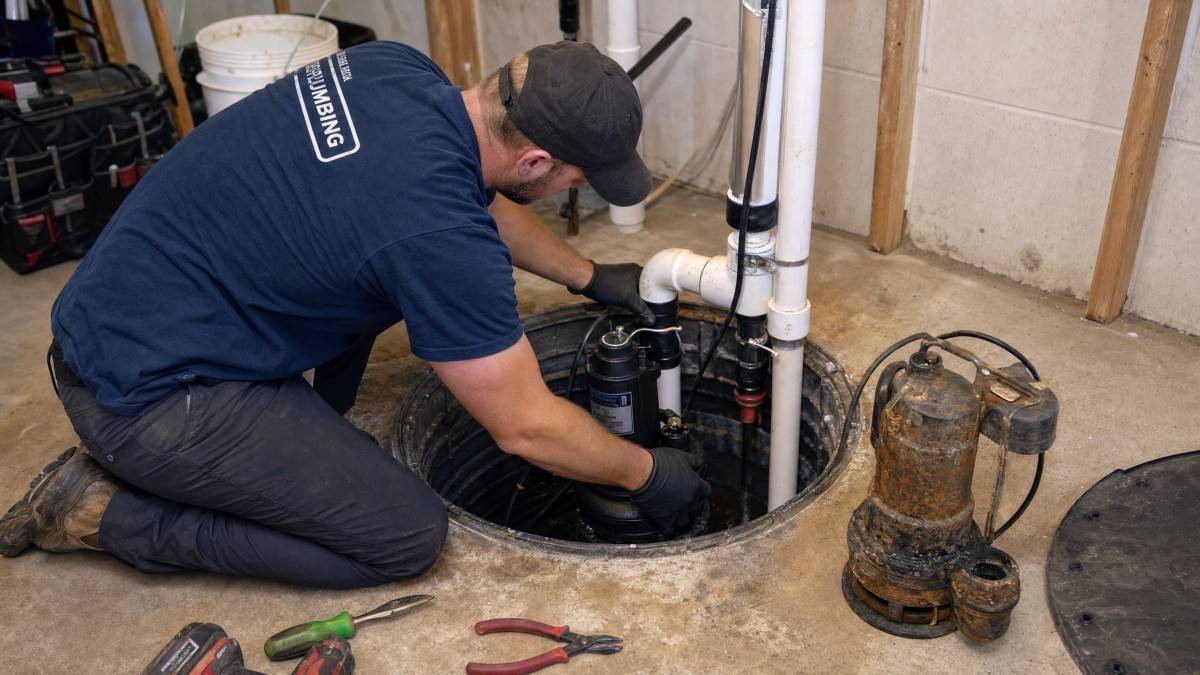
Choosing the right sump pump depends on factors such as noise level, power, maintenance ease, and cost. Submersible pumps are installed below the water line inside the sump pit and are generally quieter and more powerful. Pedestal pumps have the motor mounted above the pit, making them easier to service but typically louder. Each type has distinct advantages and costs that influence the decision based on the homeowner’s needs and budget.
| Feature | Submersible Pump | Pedestal Pump |
|---|---|---|
| Installation Location | Inside sump pit, fully submerged | Motor above sump pit, pump below water |
| Noise Level | Quieter operation | Louder during operation |
| Power and Efficiency | More powerful, handles higher water volume | Less powerful, suitable for lighter use |
| Maintenance | More difficult due to submerged motor | Easier to service and inspect |
| Typical Cost Range (Pump Only) | 150 to 400 USD | 60 to 170 USD |
| Average Lifespan | 7 to 10 years | 7 to 10 years |
Submersible pumps tend to have a sleeker design that minimizes the risk of debris accumulation around the motor, as they are sealed and protected from direct contact with sediment. Their quieter operation makes them preferable in homes where noise reduction is important. However, their location underwater complicates maintenance and repair, often requiring removal of the entire unit.
Pedestal pumps, while easier to access for repairs, expose the motor to ambient conditions, which may reduce their lifespan in humid environments. They are typically less expensive upfront and suitable for situations with lighter water loads. When selecting a sump pump type, homeowners should consider the specific basement conditions, noise tolerance, and willingness to perform maintenance, balancing these with budget constraints.
Preventive Maintenance for Reliable Pump Operation
Preventive maintenance ensures that sump pumps remain operational and effective over time. Testing the pump monthly by pouring water into the pit verifies that the float switch and motor activate correctly. Cleaning the sump pit annually removes sediment and debris that can clog the pump intake or float mechanism. Proactively replacing the pump every seven to ten years reduces the risk of unexpected failure due to age-related wear.
Installing a battery backup or water-powered backup system provides essential protection during power outages, enabling the pump to continue operating when electrical power is unavailable. These backup systems extend the pump’s functionality for six to twelve hours, depending on battery capacity. Regular inspection of the discharge pipe, check valve, and electrical connections also contributes to preventing malfunctions and prolonging the sump pump’s lifespan.
Additional maintenance steps include lubricating any moving parts as recommended by the manufacturer to reduce friction and wear. Ensuring the sump pit cover is secure and free from debris prevents foreign objects from falling into the pit and damaging the pump. Homeowners should also monitor the pump’s performance during heavy rain events to detect any irregularities early, allowing for prompt intervention.
Keeping a maintenance log with dates of inspections, cleanings, repairs, and replacements aids in tracking the pump’s condition and planning future upkeep. Engaging a professional plumber or sump pump specialist periodically for comprehensive evaluations can identify hidden issues beyond the scope of routine homeowner checks. These practices extend the pump’s service life and improve reliability during critical times.
Frequently Asked Questions
What is the average lifespan of a sump pump?
The average lifespan of most sump pumps ranges between seven and ten years. This depends on factors such as frequency of use, maintenance habits, and environmental conditions. Regular inspections and preventive care can help maximize the pump’s service life, but eventually, mechanical wear and motor fatigue will require replacement to ensure reliable operation. Pumps subjected to heavy or continuous use may experience a shorter lifespan.
Is a battery backup necessary for a sump pump?
A battery backup is highly recommended because it provides six to twelve hours of operation during power outages. Since sump pumps protect against flooding, they must function whenever water accumulates, even if electrical service is interrupted. Battery backups help prevent water damage by maintaining pump activity until power is restored or water levels recede. This added security is especially important in regions prone to storms or power failures.
Why does my sump pump run continuously?
Continuous running usually indicates that the float switch is stuck or tangled in debris, causing the pump to stay on. Another possible cause is a very high water table that supplies more water than the pump can handle. Addressing float switch issues or upgrading the pump capacity can solve continuous running problems. Additionally, a malfunctioning check valve or clogged discharge pipe can cause water to flow back into the pit, forcing the pump to run constantly.
What are the differences between submersible and pedestal sump pumps?
Submersible pumps are installed inside the sump pit and operate quietly with more power, suitable for frequent or heavy-duty pumping. Pedestal pumps have the motor mounted above the pit, making them easier to maintain but generally louder and less powerful. The choice depends on noise tolerance, maintenance preference, and pumping needs. Submersible pumps are better suited for deeper pits and larger volumes of water, while pedestal pumps work well for lighter applications.
How much does it cost to replace a sump pump?
Replacing a sump pump typically costs between 300 and 700 dollars, including installation. The price varies depending on the pump type, capacity, and complexity of the installation. Submersible pumps are generally more expensive than pedestal models, and additional costs may arise if repairs to the discharge pipe or electrical system are required. Homeowners should budget for potential upgrades such as battery backups or improved drainage systems during replacement.
Conclusion
Identifying signs of a failing sump pump early helps prevent basement flooding and costly water damage. Common symptoms such as continuous running, unusual noises, and visible corrosion indicate mechanical or electrical issues. Regular inspection methods like testing the float switch, checking for blockages, and monitoring the discharge pipe maintain pump health and functionality. Understanding common causes and appropriate fixes can extend the pump’s lifespan and ensure effective groundwater management.
Preventive maintenance and timely replacement every seven to ten years safeguard against unexpected failures. Investing in battery backups provides additional security during power outages, which are critical moments for sump pump operation. Careful attention to these factors will help homeowners maintain dry, safe spaces and avoid the consequences of sump pump failure. Proactive upkeep offers peace of mind and protects valuable property from water damage risks.