
Most retaining walls are designed to last between 40 and 100 years under normal circumstances. However, premature failure often occurs due to improper construction techniques or drainage problems that cause hydrostatic pressure buildup behind the wall. In addition to construction issues, environmental factors such as heavy rainfall, soil type, and freeze-thaw cycles can accelerate deterioration. Understanding these common causes and warning signs is vital to maintaining the structural integrity of a retaining wall and ensuring it fulfills its intended purpose effectively.
Monitoring a retaining wall regularly for any visible signs of distress such as horizontal or vertical cracks, soil erosion, or blocked drainage holes can provide critical clues about its condition. Early detection combined with proper maintenance or repair can extend the life of the wall and protect the surrounding property from damage. Engaging qualified professionals for periodic inspections can also help detect underlying issues that may not be immediately visible, ensuring long-term stability and safety.
Common Signs of Retaining Wall Failure
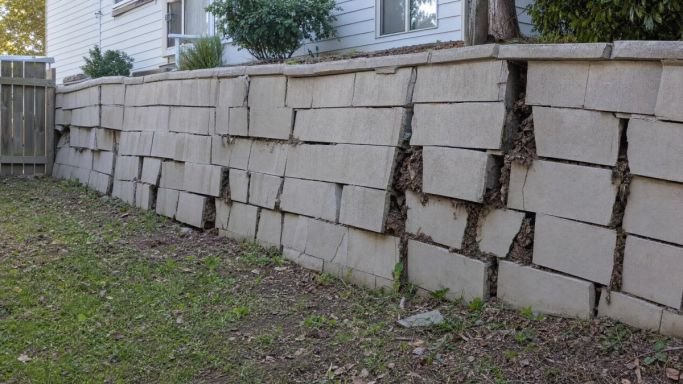
Retaining walls exhibit several visible signs when they begin to fail, each indicating different underlying structural problems. The most critical signs to watch for include tilting or leaning beyond one inch from vertical, horizontal cracks, vertical cracks, bulging, and soil erosion behind or below the wall. These symptoms signal the wall is under stress and may soon collapse if not addressed. Detecting these early warning signs can help prevent more extensive damage and ensure timely repairs.
Tilting or leaning indicates the wall is shifting out of its intended position, often caused by inadequate footing or excessive load. Horizontal cracks suggest bending stress from hydrostatic pressure building behind the wall. Vertical cracks usually point to uneven settlement of the foundation. Bulging is a sign of internal pressure pushing the wall outward. Soil erosion around the base can undermine stability and worsen failure risks. In some cases, rust stains or efflorescence on masonry walls may also indicate moisture problems that should not be overlooked.
Another subtle but important sign is the presence of water pooling near the base or on top of the retaining wall, which can indicate drainage issues that increase pressure on the structure. Additionally, separation or gaps between wall segments or between the wall and adjoining structures can suggest movement or loss of cohesion. Observing any sudden changes following heavy rain or freeze-thaw events may also reveal vulnerabilities that require prompt attention.
Causes of Retaining Wall Failure
Failure of retaining walls is commonly caused by inadequate drainage, which allows water pressure to build up behind the wall. Hydrostatic pressure is the primary force that compromises retaining walls, pushing outward and causing cracks, tilting, and eventual collapse. Proper drainage systems including weep holes and gravel backfill are essential to relieve this pressure. Without effective drainage, saturation of the soil increases the load on the wall dramatically, often exceeding its design limits.
Other causes include improper batter, where the wall is not sloped back into the hill to resist soil forces, insufficient footing depth to support loads, overloading from vehicles or structures above, damage from tree roots, and freeze-thaw cycles that cause material deterioration. Each factor weakens the wall’s ability to retain soil effectively. Additionally, the use of substandard materials or poor workmanship during installation can accelerate failure, making it crucial to adhere to engineering standards and best practices.
Environmental factors also play a significant role in retaining wall stability. For example, expansive clay soils that swell when wet can exert unpredictable pressures. Tree roots growing behind or through the wall can displace masonry units or cause cracking. Seismic activity or ground vibrations may loosen the wall’s foundation over time. Understanding these diverse causes helps in diagnosing problems accurately and implementing the most appropriate repair or reinforcement methods.
Inspection Methods for Retaining Walls
Regular inspection is necessary to detect early signs of retaining wall failure. Using a level or plumb line helps determine if the wall is tilting or leaning beyond acceptable limits. Careful examination of cracks and their orientations can reveal whether the wall is experiencing bending, settlement, or other stresses. Horizontal cracks are particularly concerning as they indicate bending stress. Documenting and measuring cracks over time can help track progression and urgency for repairs.
Inspecting weep holes for blockage or absence is crucial since they allow water to escape from behind the wall. Soil erosion at the base may indicate undermining of the foundation. Additionally, vegetation growing in joints or cracks can worsen damage by widening gaps and trapping moisture. Annual inspections help maintain structural integrity and prevent costly repairs. Using a flashlight to check inside drainage pipes and holes can reveal obstructions not visible externally.
Advanced inspection techniques such as ground-penetrating radar or infrared thermography can be employed in some cases to detect voids, moisture accumulation, or internal weaknesses without invasive procedures. Monitoring devices like tilt sensors or crack gauges may be installed for walls under high risk or critical infrastructure. Engaging structural engineers to perform thorough assessments ensures that subtle or hidden problems are identified early, allowing for timely intervention.
Repair and Maintenance Options for Retaining Walls
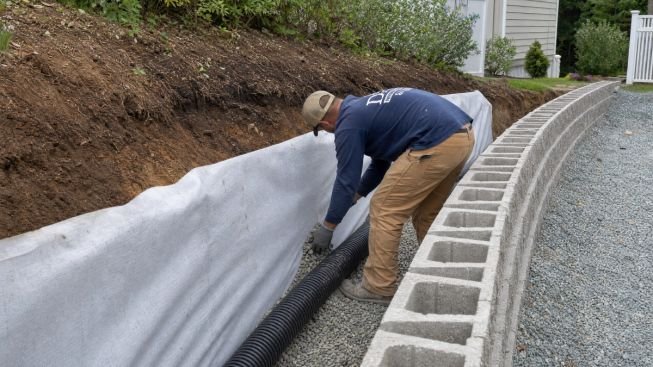
Repair solutions vary depending on the severity of the retaining wall’s condition. Minor repairs include cleaning or adding weep holes to improve drainage, repointing mortar joints, and removing vegetation. These steps can restore some stability and prevent further degradation. Moderate repairs may involve installing tiebacks or deadman anchors to provide additional support and resist soil pressure. These anchors extend into the soil behind the wall to counteract the forces pushing outward.
Severe failure often requires rebuilding the retaining wall with proper drainage systems, adequate footing, and correct batter. Preventative measures such as using gravel backfill, filter fabric, and ensuring no excessive loads are placed on top of the wall can extend its lifespan. Regular maintenance and inspection are key to early detection and intervention. Replacement of deteriorated materials like rotten timber or crumbling concrete is essential to restore structural capacity.
In some cases, innovative repair techniques such as shotcrete application, soil nailing, or installation of geogrids can reinforce weakened walls without complete reconstruction. These methods increase strength and stability while minimizing disruption. Choosing the right repair approach depends on the wall’s design, materials, location, and the extent of damage. Consulting with experienced contractors and engineers ensures repairs meet safety standards and provide long-lasting results.
| Repair Type | Description | Typical Cost Range | Expected Lifespan Extension |
|---|---|---|---|
| Minor | Cleaning weep holes, repointing mortar, vegetation removal | $200–$1,000 | 5–10 years |
| Moderate | Installing tiebacks, deadman anchors, partial wall reinforcement | $1,000–$5,000 | 10–20 years |
| Severe | Complete wall rebuild with proper drainage and footing | $20–$50 per square foot | 40–100 years |
Prevention and Regular Maintenance
Preventing retaining wall failure involves ensuring proper drainage and structural design from the start. Weep holes spaced every 6 to 8 feet allow water to escape and reduce hydrostatic pressure. Gravel backfill and filter fabric behind the wall aid drainage and prevent soil clogging. Avoiding heavy loads such as vehicles or structures on top of the wall prevents excessive stress that can cause shifting or cracking. Good site grading to divert surface water away from the wall also reduces water infiltration.
Annual inspections help identify early problems before they escalate. Removing vegetation that grows in cracks or joints reduces moisture retention and root damage. Timely maintenance, including clearing blocked drainage and repairing minor cracks, prolongs the wall’s functional life and protects property investment. Educating property owners about the importance of ongoing care encourages proactive upkeep. Incorporating durable materials and design features tailored to local soil and climate conditions improves resilience. Addressing small issues early avoids the need for costly and disruptive repairs later on.
Additionally, installing monitoring devices or sensors can help track the wall’s movement or moisture levels, allowing for data-driven maintenance schedules. Proper landscaping choices that minimize root intrusion and limit water exposure also contribute to the longevity of retaining walls. Engaging professional engineers during design and construction phases ensures that walls are built to withstand expected loads and environmental challenges, substantially reducing failure risk.
Frequently Asked Questions
When is tilting of a retaining wall considered serious?
Tilting is considered serious when the wall leans more than one inch from vertical. This degree of movement indicates active structural failure and potential collapse risk. Immediate professional evaluation is recommended to assess stability and determine necessary repairs. Even smaller shifts can be cause for concern if they worsen over time or coincide with other damage signs, so monitoring changes closely is important.
What is the primary cause of retaining wall failure?
Inadequate drainage causing hydrostatic pressure buildup behind the wall is the primary cause of failure. Without proper weep holes and backfill drainage, water accumulates and exerts outward force, leading to cracks, tilting, and eventual collapse. Managing water flow and soil moisture is essential to prevent this pressure from exceeding the wall’s capacity.
What are weep holes and why are they important?
Weep holes are small drainage openings spaced every 6 to 8 feet along retaining walls. They allow water trapped behind the wall to escape, preventing pressure buildup that can damage or overturn the wall. Properly maintained weep holes are essential for wall longevity. Regular cleaning and inspection ensure they remain functional and do not clog with debris or sediment.
What is the typical lifespan of a timber retaining wall?
Timber retaining walls generally have a shorter lifespan of 20 to 40 years due to susceptibility to rot and insect damage. They require more frequent maintenance compared to concrete or stone walls and are less durable under harsh environmental conditions. Proper treatment of wood and regular inspections can help extend their service life, but replacement is often necessary sooner than with masonry walls.
What is the typical cost to rebuild a retaining wall?
Rebuilding a retaining wall typically costs between twenty and fifty dollars per square foot depending on the material used and site conditions. Concrete block walls tend to be more affordable, while natural stone or poured concrete options can be more expensive. Additional factors such as wall height, accessibility, and soil type may influence costs. Investing in quality materials and workmanship can save money in the long run by reducing maintenance needs.
Conclusion
Identifying signs of a failing retaining wall early is crucial to preventing property damage and safety hazards. Visible symptoms such as tilting beyond one inch, horizontal and vertical cracks, bulging, and soil erosion indicate active structural problems. Regular inspection and maintenance help detect these issues before they escalate, ensuring that the wall remains a reliable barrier against soil movement and erosion. Vigilance and timely action significantly reduce the risk of sudden failure and costly repairs.
Understanding the causes of failure, primarily inadequate drainage and hydrostatic pressure, informs effective repair and prevention strategies. Repair options range from minor maintenance to complete rebuilding with proper drainage systems. Proactive care and timely intervention maximize the retaining wall’s lifespan and ensure its continued function in soil retention and erosion control. Maintaining a retaining wall not only protects property but also contributes to overall landscape stability and safety.