
I. Introduction: The Critical Role of a Home Inspector
Purchasing a home is one of the most significant financial and emotional investments an individual or family will make, shares Rent Easy Norfolk. Amidst the excitement of finding the perfect property, it is easy to overlook critical steps that safeguard this investment. Among these, a professional home inspection stands out as a non-negotiable component of the homebuying process. It serves as a vital due diligence measure, providing prospective buyers with an objective assessment of a property’s condition before finalizing a purchase.
A. Why a Home Inspection is Non-Negotiable
A home inspection is far more than a cursory walk-through; it is a comprehensive, visual examination of a home’s structure and systems. This includes, but is not limited to, the foundation, roof, electrical, plumbing, and HVAC systems. The primary goal is to identify significant defects, safety hazards, and potential maintenance issues that may not be apparent to the untrained eye. Without a thorough inspection, buyers risk inheriting costly problems that could quickly turn their dream home into a financial burden. It acts as an early warning system, revealing issues that could impact the home’s value, safety, and habitability.
B. The Stakes: Protecting Your Investment and Peace of Mind
The stakes involved in a home purchase are considerable. Beyond the initial purchase price, unexpected repair costs can quickly accumulate, draining savings and causing significant stress. A reliable home inspector provides a detailed report that empowers buyers with knowledge, enabling them to make informed decisions. This knowledge can be leveraged to negotiate repairs with the seller, adjust the offer price, or, in some cases, walk away from a problematic property. Ultimately, a thorough home inspection protects not only the financial investment but also provides invaluable peace of mind, ensuring that the buyer is fully aware of the property’s condition and any future commitments it may entail.
II. Understanding the Home Inspection Industry
Before delving into the specifics of choosing a home inspector, it is crucial for prospective homebuyers to understand the landscape of the home inspection industry itself. This understanding will help in navigating the varying standards and ensuring a well-informed selection.
A. Lack of Universal Regulation: What Buyers Need to Know
One of the most significant challenges within the home inspection industry is the lack of universal regulation across all regions. Unlike many other professions that require stringent licensing and standardized training, the requirements for becoming a home inspector can vary dramatically from one jurisdiction to another, and in some areas, there may be no specific licensing requirements at all. This regulatory patchwork means that the quality and scope of inspections can differ widely, making it imperative for buyers to be proactive in verifying an inspector’s qualifications and adherence to professional standards. Relying solely on a business card or a self-proclaimed title can be a costly mistake.
B. Professional Associations and Certifications (InterNACHI, ASHI, etc.)
Given the varied regulatory environment, professional associations play a critical role in establishing and upholding standards within the home inspection industry. Organizations such as the International Association of Certified Home Inspectors (InterNACHI) and the American Society of Home Inspectors (ASHI) provide comprehensive training, certification programs, and continuing education for their members. Inspectors who are certified by these reputable associations have typically met rigorous requirements, including passing examinations, adhering to a strict code of ethics, and following established Standards of Practice. Membership in such organizations often indicates a commitment to professionalism, ongoing learning, and a higher level of competence, offering a valuable benchmark for buyers seeking a qualified inspector.
C. The Scope of a Standard Home Inspection
A standard home inspection is a non-invasive, visual examination of the accessible areas of a residential property, designed to identify material defects within specific systems and components. While the exact scope can vary slightly based on local regulations and the inspector’s professional association, it generally includes an assessment of the following major areas:
- Structural Components: Foundation, framing, and visible load-bearing elements.
- Exterior: Siding, windows, doors, roof, drainage, and grading.
- Roofing: Roof covering, flashings, chimneys, and drainage systems.
- Plumbing: Water supply and distribution systems, drains, waste, vents, water heaters, and fixtures.
- Electrical: Service entrance, panels, wiring, outlets, and switches.
- Heating, Ventilation, and Air Conditioning (HVAC): Heating and cooling equipment, distribution systems, and thermostats.
- Interior: Walls, ceilings, floors, doors, windows, and stairs.
- Insulation and Ventilation: In attics, crawlspaces, and unfinished basements.
- Fireplaces and Solid Fuel Burning Appliances: Chimneys and vents.
It is important to note that a standard home inspection is not technically exhaustive and does not include areas that are inaccessible, destructive testing, or specialized inspections (e.g., mold, asbestos, lead paint, pest, or well/septic systems), which may require separate specialists. Understanding this scope helps buyers set realistic expectations for what a home inspection will cover.
III. Key Qualities of a Reliable Home Inspector
Identifying a truly reliable home inspector requires looking beyond basic availability and focusing on specific qualities that distinguish a competent professional from a less experienced one. These attributes are crucial for ensuring a thorough and accurate assessment of your prospective home.
A. Experience and Expertise: Years in the Field and Specializations
Experience is paramount when selecting a home inspector. An inspector with several years of full-time experience (typically 3-5+ years) has likely encountered a wide array of property types and issues, developing a keen eye for both common and unusual defects. This practical exposure allows them to interpret subtle clues that a novice might miss. Furthermore, consider if the inspector has specialized expertise relevant to the property you are purchasing. For instance, if you are buying an older home, an inspector with experience in historic properties will be more attuned to the unique challenges and construction methods of such residences. Similarly, if the home has specific features like a well, septic system, or unique structural elements, an inspector with relevant specialization can provide a more in-depth evaluation.
B. Credentials and Professional Affiliations
As discussed, the home inspection industry can lack consistent regulation. Therefore, an inspector’s credentials and affiliations with reputable professional organizations are strong indicators of their commitment to quality and ethical practice. Look for certifications from recognized bodies such as the International Association of Certified Home Inspectors (InterNACHI) or the American Society of Home Inspectors (ASHI). These organizations require members to adhere to strict Standards of Practice and Codes of Ethics, complete rigorous training, and often participate in continuing education. Such affiliations demonstrate that the inspector is dedicated to maintaining high professional standards and staying current with industry best practices.
C. Comprehensive Reporting: What a Good Report Looks Like
The inspection report is the tangible outcome of the inspector’s work, and its quality is a direct reflection of their thoroughness and professionalism. A reliable inspector provides a comprehensive, easy-to-understand report that goes beyond a simple checklist. Key characteristics of a good report include:
- Clarity and Detail: Clear, concise language that avoids overly technical jargon, explaining findings in a way that a layperson can understand.
- Photographic Evidence: Numerous high-quality photographs of identified issues, often with annotations or arrows to highlight specific problems.
- Actionable Recommendations: Specific recommendations for repair, replacement, or further evaluation by a qualified specialist, rather than vague statements.
- Summary of Major Issues: A concise summary of the most critical findings, making it easy for buyers to grasp the most important concerns.
- Timeliness: The report should be delivered promptly, typically within 24-48 hours of the inspection, to allow buyers sufficient time for review and negotiation.
A good report serves as a valuable reference document for years to come, not just during the purchase process.
D. Professionalism and Communication Skills
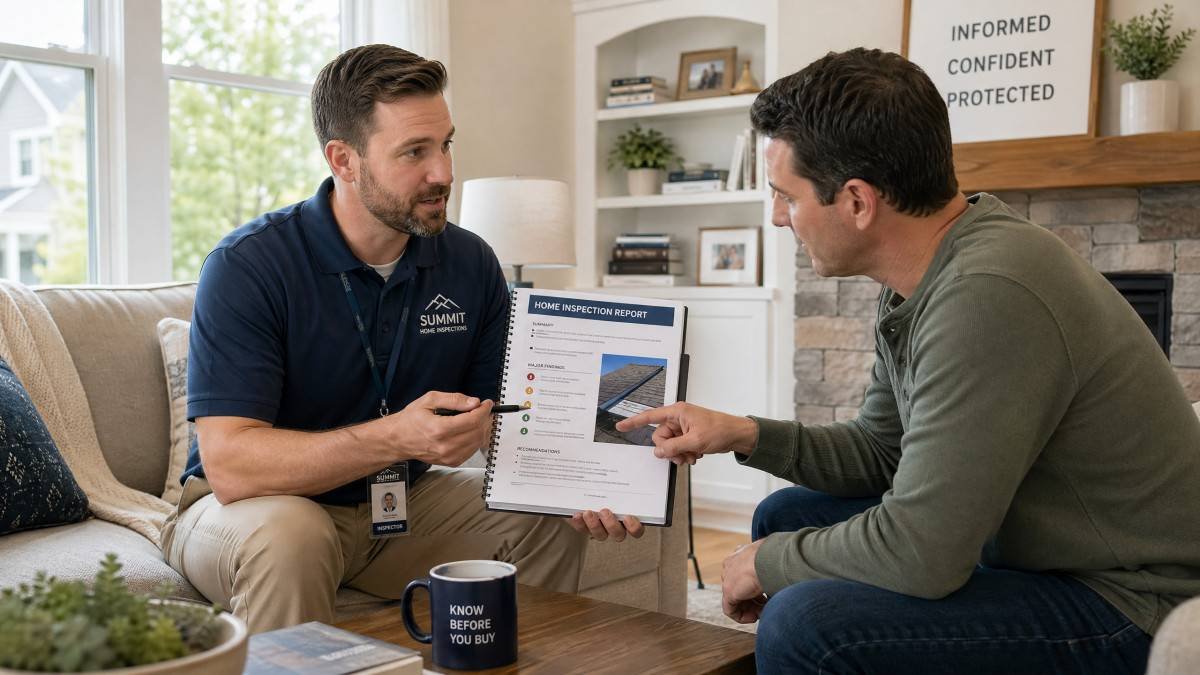
A reliable home inspector exhibits strong professionalism and excellent communication skills. This includes being punctual, courteous, and willing to answer questions both during and after the inspection. They should be able to explain complex issues in an understandable manner without causing undue alarm or downplaying serious concerns. An inspector who encourages the buyer to attend the inspection and actively walks them through the property, pointing out findings and offering insights, demonstrates a commitment to client education and transparency. Effective communication ensures that you fully comprehend the implications of the inspection findings.
E. Insurance and Liability Coverage
Finally, a reliable home inspector should carry appropriate insurance and liability coverage. This typically includes Errors and Omissions (E&O) insurance, which protects the inspector (and indirectly the client) in case of an oversight or mistake in the inspection report. General liability insurance is also important to cover any accidental damage that might occur during the inspection process. Requesting proof of insurance provides an additional layer of protection and demonstrates the inspector’s commitment to professional responsibility. Avoid any inspector who cannot provide verifiable proof of adequate coverage.
IV. Practical Steps to Finding Your Inspector
With a clear understanding of what constitutes a reliable home inspector, the next step is to actively engage in the search process. This involves a strategic approach to gathering recommendations, verifying credentials, and evaluating potential candidates.
A. Seeking Recommendations (with Caution)
One of the most common starting points for finding a home inspector is to seek recommendations. Friends, family members, and colleagues who have recently purchased homes can offer valuable insights based on their personal experiences. Real estate agents are also a frequent source of referrals, as they often work with inspectors regularly. However, it is crucial to approach agent recommendations with a degree of caution. While many agents refer highly competent inspectors, there can sometimes be a perceived or actual conflict of interest if the inspector is overly reliant on agent referrals for their business. Always remember that the inspector works for you, the buyer, and their loyalty should be solely to your interests. Therefore, use recommendations as a starting point, but always conduct your own independent verification.
B. Verifying Credentials and Background
Once you have a list of potential inspectors, the next critical step is to thoroughly verify their credentials and background. This goes beyond simply asking if they are certified. You should:
- Check for Certifications: Confirm their membership and good standing with recognized professional organizations like InterNACHI or ASHI. Many associations have online directories where you can verify an inspector’s status.
- Verify Licensing: In regions where home inspector licensing is required, ensure their license is current and in good standing with the relevant regulatory body.
- Inquire About Experience: Ask about their years of full-time experience and the number of inspections they have completed. Experience with properties similar to the one you are buying (e.g., age, construction type) is a significant plus.
- Ask About Background: A background in construction, engineering, or architecture can be a strong asset, indicating a deeper understanding of building systems.
This verification process helps ensure that you are considering genuinely qualified professionals.
C. Interviewing Candidates: Essential Questions to Ask
Before making a final decision, it is highly recommended to interview at least two to three prospective home inspectors. This allows you to assess their communication style, professionalism, and approach to inspections. Prepare a list of essential questions, such as:
- What is your experience level, and how many inspections have you performed?
- What certifications and professional affiliations do you hold?
- What is included in your standard inspection, and what is excluded?
- Can I see a sample of your inspection report?
- Do you encourage clients to attend the inspection, and how long does it typically take?
- What tools and technology do you use during an inspection (e.g., thermal imaging, drones)?
- Do you carry Errors and Omissions (E&O) and general liability insurance? Can you provide proof?
- What are your fees, and what payment methods do you accept?
- How quickly will I receive the report, and are you available for follow-up questions?
Their answers will provide crucial insights into their thoroughness and client-focused approach.
D. Reviewing Sample Reports
A sample report is an invaluable tool for evaluating an inspector. It allows you to see firsthand the level of detail, clarity, and professionalism you can expect. Look for reports that are:
- Easy to Read: Well-organized with clear headings and a logical flow.
- Comprehensive: Covering all major systems and components as per industry standards.
- Photo-Rich: Including clear, annotated photos of identified issues.
- Action-Oriented: Providing specific recommendations for repair or further evaluation, rather than just noting problems.
- Summarized: Featuring a concise summary of the most critical findings.
A well-structured report demonstrates an inspector’s ability to effectively communicate complex information.
E. Checking Independent Reviews and Testimonials
While direct recommendations are valuable, supplementing them with independent online reviews and testimonials can provide a broader perspective. Websites like Google Reviews, Yelp, or industry-specific platforms can offer insights into other clients’ experiences. Look for patterns in feedback, both positive and negative. Pay attention to comments regarding the inspector’s thoroughness, communication, and responsiveness. However, be mindful that online reviews can sometimes be manipulated, so use them as one piece of the puzzle rather than the sole determinant. Cross-referencing information from multiple sources will provide the most balanced view.
V. Red Flags and What to Avoid
While the previous sections focused on identifying the qualities of a reliable home inspector, it is equally important to recognize potential red flags that should prompt caution or lead you to look elsewhere. Avoiding these pitfalls can save you significant time, money, and stress in the long run.
A. The Cheapest Option: Why Price Shouldn’t Be the Only Factor
It can be tempting to choose the home inspector with the lowest fee, especially when faced with numerous expenses during the homebuying process. However, opting for the cheapest option is often a false economy. Highly experienced and thorough inspectors invest in continuous training, advanced equipment, and comprehensive insurance, all of which contribute to their pricing. An unusually low fee might indicate a lack of experience, insufficient insurance, a rushed inspection process, or a less detailed report. Prioritize value and thoroughness over cost; a few hundred dollars saved on an inspection could lead to thousands in unexpected repair costs down the line.
B. Lack of Transparency or Evasiveness
A reliable home inspector should be transparent about their process, qualifications, and the scope of their inspection. Red flags include:
- Refusal to provide a sample report: A professional inspector should readily share a sample report so you can assess its quality and detail.
- Evasiveness about credentials or experience: If an inspector is vague about their certifications, years in the business, or specific training, it’s a cause for concern.
- Discouraging client attendance: A good inspector welcomes and encourages clients to attend the inspection, as it’s an invaluable learning opportunity. An inspector who discourages your presence might have something to hide or prefer to work without scrutiny.
- Lack of clear communication: If they struggle to explain technical terms in an understandable way or are unresponsive to your questions, they may not be the best fit for guiding you through a complex process.
C. Inspectors Recommended Solely by the Seller or Agent (Potential Conflicts of Interest)
While real estate agents often have a network of trusted professionals, relying solely on an inspector recommended by the seller or your own agent without independent verification can present a conflict of interest. An inspector who receives a significant portion of their business from a single agent might feel pressured to downplay issues to ensure the deal closes, thereby jeopardizing their objectivity. Always remember that the home inspector works for you, the buyer, and their loyalty should be exclusively to your interests. It is prudent to seek out and vet your own inspector, even if you start with agent recommendations, to ensure impartiality.
D. Inadequate Technology or Limited Scope of Inspection
The tools and techniques available for home inspections have evolved. An inspector who relies solely on visual inspection without utilizing modern technology might be missing critical issues. For example, a reliable inspector might use:
- Thermal imaging cameras: To detect hidden moisture, insulation deficiencies, or electrical hot spots.
- Moisture meters: To identify areas of elevated moisture content that could indicate leaks or water damage.
- Drones: For safe and thorough inspection of inaccessible roofs or high exterior areas.
Additionally, be wary of inspectors who limit the scope of their inspection without a valid reason (e.g., refusing to enter a crawl space or walk on a roof when it is safe to do so). A comprehensive inspection covers all accessible major systems and components, and any deviation from this should be thoroughly questioned.
VI. Maximizing Your Home Inspection
A home inspection is not a passive event; it is an opportunity for active engagement that can significantly enhance its value. By participating thoughtfully and understanding the subsequent steps, you can maximize the benefits of the inspection process.
A. Attending the Inspection: What to Observe and Ask
One of the most crucial steps in maximizing your home inspection is to attend it in person. This allows you to observe the inspector at work, ask questions in real-time, and gain a deeper understanding of the property’s condition. During the inspection, pay attention to:
- The Inspector’s Process: Observe how they conduct their examination, what tools they use, and how thoroughly they inspect each system.
- Identified Issues: Ask for explanations of any defects or concerns they find. Understand the severity of the issue, its potential impact, and possible repair solutions.
- Maintenance Tips: A good inspector will often provide valuable maintenance advice for various home systems, which can be beneficial for future homeownership.
- Areas of Concern: If you have specific concerns about the property, point them out to the inspector and ask for their expert opinion.
Attending the inspection transforms the report from a mere document into a personalized educational experience, empowering you with firsthand knowledge.
B. Understanding the Findings: Prioritizing Repairs and Concerns
Once you receive the detailed inspection report, it is essential to review it thoroughly and understand its findings. Not all issues are created equal; some are minor maintenance items, while others are significant defects that require immediate attention or substantial investment. Prioritize the findings based on:
- Safety Hazards: Issues that pose an immediate risk to health or safety (e.g., faulty wiring, gas leaks, structural instability) should be addressed first.
- Major Defects: Significant problems that could lead to substantial repair costs or further damage if left unaddressed (e.g., roof leaks, foundation cracks, HVAC system failures).
- Code Violations: Items that do not meet current building codes, which may need to be rectified.
- Future Maintenance: Recommendations for routine maintenance or upgrades that, while not urgent, are important for the long-term health of the home.
Understanding this hierarchy helps you focus on the most critical issues and formulate a strategic response.
C. Post-Inspection Steps: Negotiation and Further Assessments
The inspection report is a powerful tool in the negotiation process. Based on the findings, you have several options:
- Request Repairs: You can ask the seller to repair specific defects before closing.
- Request Credits: Alternatively, you can request a credit at closing to cover the cost of repairs, allowing you to manage the repairs yourself after purchase.
- Renegotiate Price: For significant issues, you might renegotiate the purchase price to reflect the diminished value or anticipated repair costs.
- Further Assessments: For complex issues identified by the inspector (e.g., structural concerns, specialized systems), you may need to bring in a qualified specialist (e.g., structural engineer, HVAC technician) for a more in-depth evaluation.
- Walk Away: In cases where the inspection reveals severe, unresolvable issues or the seller is unwilling to negotiate, the inspection contingency in your purchase agreement may allow you to withdraw your offer without penalty.
Consult with your real estate agent and, if necessary, legal counsel to determine the best course of action based on the inspection findings and your purchase agreement.
VII. Frequently Asked Questions (FAQ)
A. What is the biggest red flag in a home inspection?
The biggest red flag in a home inspection is often not a specific structural defect, but rather the inspector’s behavior or recommendations. Be wary of inspectors who discourage your presence during the inspection, rush through the process, refuse to provide a sample report, or are overly vague about their qualifications. Additionally, an inspector who consistently downplays significant issues or suggests that you handle all repairs yourself without proper guidance can be a major concern. The most critical red flag is any indication of a lack of impartiality or a potential conflict of interest, especially if they are heavily reliant on referrals from a single real estate agent or seller.
B. How to find the best home inspectors?
Finding the “best” home inspector involves a multi-faceted approach. Start by seeking recommendations from trusted friends, family, or even your real estate agent (but always verify independently). Research inspectors online, looking for certifications from reputable organizations like InterNACHI or ASHI, and check their licensing status if required in your area. Review their online testimonials and ask for sample reports to assess their thoroughness and communication style. Finally, interview at least two to three candidates, asking about their experience, expertise, insurance, and what their inspection includes. The best inspector for you will be experienced, certified, transparent, communicative, and committed to your best interests.
C. Which home inspection program is best?
There isn’t a single “best” home inspection program, as the quality often depends on the individual inspector’s adherence to standards and their personal expertise. However, programs and certifications from established professional associations are generally considered reliable. Organizations like the International Association of Certified Home Inspectors (InterNACHI) and the American Society of Home Inspectors (ASHI) offer comprehensive training and certification that ensure inspectors meet high standards of practice and ethics. When evaluating an inspector, prioritize those who are certified by such recognized bodies, as it indicates a commitment to professional development and quality assurance.
D. How long does a home inspection take?
The duration of a home inspection can vary depending on several factors, including the size, age, and condition of the property. On average, a typical home inspection for a standard-sized house (e.g., 1,500 to 2,500 square feet) usually takes between 2 to 4 hours. Larger homes, older properties with more complex systems, or homes with identified issues may require more time, potentially extending to 5 hours or more. It’s important to allow ample time for the inspection and to be present for at least a portion of it to ask questions and observe the process firsthand.
VIII. Conclusion: Empowering Your Homebuying Journey
The journey of buying a home is filled with excitement, anticipation, and significant decisions. Among these, the choice of a reliable home inspector stands as a cornerstone for a secure and informed purchase. This comprehensive guide has underscored the critical importance of a thorough home inspection, not merely as a formality, but as an indispensable tool for protecting your substantial investment and ensuring long-term peace of mind.
A. Recap of Key Takeaways
We have explored the nuances of the home inspection industry, highlighting the varying regulatory landscapes and the pivotal role of professional associations like InterNACHI and ASHI in setting standards. The discussion emphasized that a truly reliable inspector possesses a blend of extensive experience, verifiable credentials, and exceptional communication skills, all culminating in a comprehensive and actionable report. We also delved into practical strategies for finding such a professional, from judiciously seeking recommendations to conducting thorough interviews and scrutinizing sample reports. Crucially, we identified red flags—such as suspiciously low prices, lack of transparency, or potential conflicts of interest—that buyers must actively avoid to prevent costly oversights.
B. The Value of a Thorough and Reliable Inspection
Ultimately, a home inspection is an investment in knowledge. It empowers you, the homebuyer, with a clear understanding of the property’s true condition, enabling you to make decisions based on facts rather than assumptions. This knowledge translates into significant advantages: the ability to negotiate repairs or price adjustments, the foresight to budget for future maintenance, and, most importantly, the confidence that comes from knowing you are making a sound investment. By prioritizing a thorough and reliable home inspection, you are not just buying a house; you are securing a home that meets your expectations for safety, functionality, and value, thereby laying a solid foundation for your homeownership journey.