
Proper functioning gutters and downspouts play a vital role in protecting a building by directing rainwater away from its foundation and structural elements. When gutters and downspouts operate efficiently, they mitigate risks such as basement flooding, soil erosion around the foundation, and damage to exterior components like fascia and soffits. Regular inspection and maintenance ensure that these systems continue to perform their role effectively, reducing costly repairs caused by water intrusion and deterioration.
Regularly checking gutters and downspouts involves more than just a visual glance; understanding how water flows through the system and identifying signs of malfunction are key. Monitoring performance during rainfall can reveal issues like overflow or pooling, while dry inspections with tools such as a garden hose simulate water flow to uncover hidden clogs or leaks. Evaluating the physical integrity of gutters, hangers, and downspouts also helps detect sagging, rust, or loose connections that may impair drainage.
Knowledge of common gutter problems and appropriate maintenance techniques empowers homeowners and professionals to maintain a reliable drainage system. Tasks such as removing debris, correcting slopes, sealing leaks, and ensuring downspouts discharge water at a safe distance from the structure all contribute to prolonging the life of the gutters. Moreover, selecting gutter styles and materials suitable for the climate and roof design enhances overall effectiveness in managing rainwater runoff.
Inspection Methods for Gutter and Downspout Function
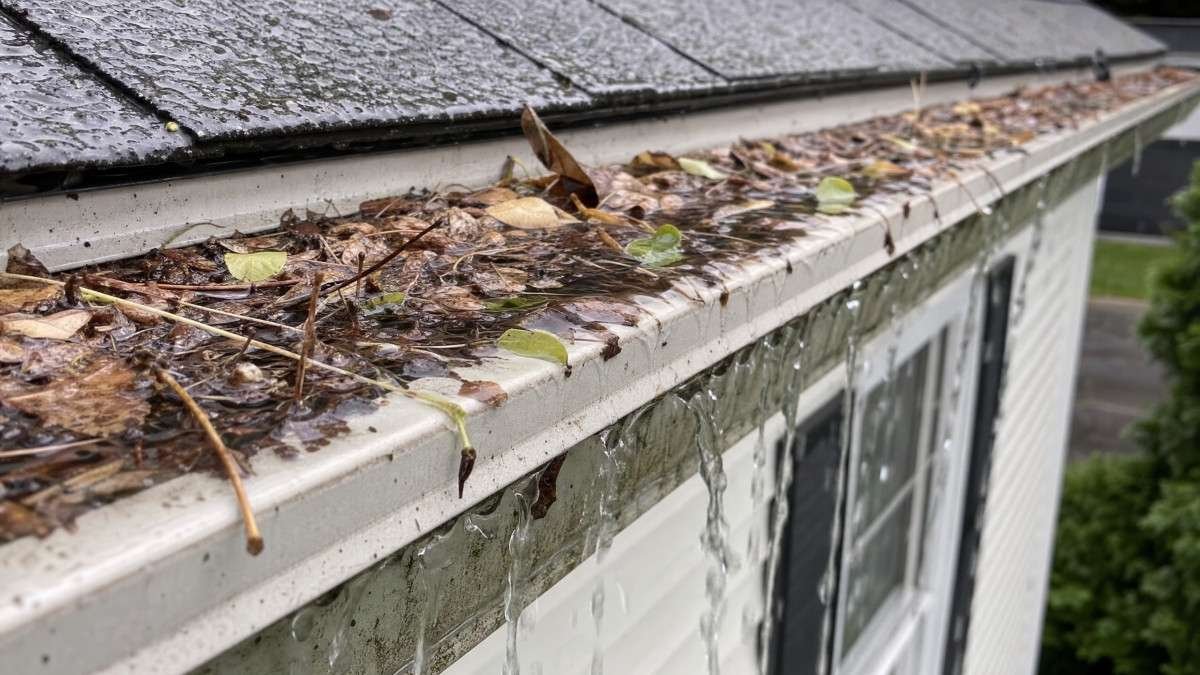
Inspection of gutters and downspouts should be performed both during rainfall and dry conditions to ensure proper operation. Observing gutters while it rains allows detection of overflow points which indicate blockages or slope issues. Overflow occurring at mid-span usually signals a clog, while overflow at the gutter end cap often points to incorrect slope.
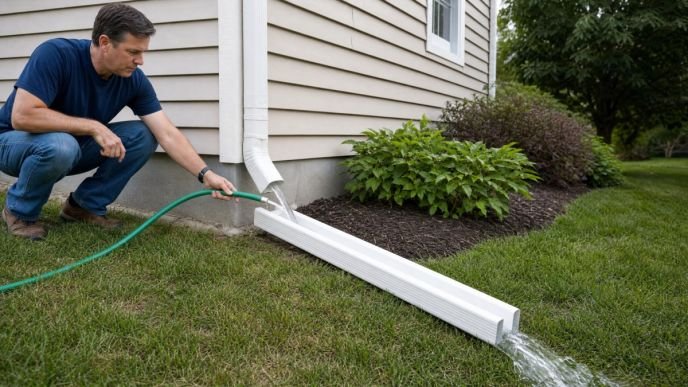
Dry inspections involve running water through the gutters using a garden hose. This method helps flush out debris and reveals leaks or poor water flow. Checking downspout discharge points ensures water is carried at least six feet away from the foundation to avoid soil erosion or basement seepage. Physical inspection for sagging gutters, loosened hangers, rust, and holes complements water flow tests.
Another valuable inspection approach is to examine the gutters immediately after a heavy storm has passed. This can reveal hidden leaks or points where seepage occurs, which may not be obvious during light rain. Additionally, using a ladder to inspect the gutters from above allows for a close-up view of debris accumulation and joint conditions. Taking notes and photographing problem areas during inspection can assist in planning repairs or maintenance tasks.
For those less comfortable with heights, some advanced tools such as gutter inspection cameras or drones can provide detailed views of the gutter system without the need for climbing. These technologies can help identify blockages, rust spots, or damage in hard-to-reach places. Regularly scheduling inspections at least twice a year, and after extreme weather events, ensures gutters and downspouts remain in optimal condition.
Common Gutter and Downspout Problems
Clogs caused by leaves, twigs, and debris are among the primary issues affecting gutters. These obstructions prevent water from reaching the downspouts, leading to overflow and potential damage to fascia boards and foundations. Improper gutter slope is another frequent problem, where water pools instead of flowing toward the downspout, accelerating corrosion and leaks.
Other common problems include gutters pulling away from the fascia due to failed hangers, leaking or separated joints, and downspouts discharging water too close to the building foundation. Blocked underground drain connections can cause backflow issues. Identifying these problems early is critical to preventing costly repairs and ensuring the gutters perform their intended function.
In addition to these typical concerns, ice dams during winter months can cause significant damage to gutters and roofing. Ice dams form when melting snow refreezes at the roof edge, preventing proper drainage and leading to water backing up under shingles and into the gutter. This can result in gutter deformation and interior water damage. Addressing attic insulation and ventilation can help reduce ice dam formation and protect gutter systems.
Corrosion is another issue that can affect metal gutters, especially in coastal or industrial areas where salt and pollutants accelerate rusting. Rust weakens gutters and can cause holes or splits, resulting in leaks. Timely painting or applying protective coatings can extend gutter lifespan. Gutters that are too small or improperly spaced downspouts may become overwhelmed during heavy rains, causing overflow and foundation risks. Ensuring the system is sized appropriately for the local climate and roof design is essential.
Gutter Types, Materials, Sizing, and Costs
Gutters come in various styles such as K-style, half-round, and box gutters. K-style gutters are most common and can hold more water, making them suitable for many residential roofs. Half-round gutters are often found on older homes, while box gutters integrate into the roofline for a more seamless appearance. Material choices include aluminum, vinyl, steel, and copper, each with different durability and cost profiles.
Sizing gutters and downspouts correctly is essential for efficient drainage. Most homes use 5-inch K-style gutters, but steep or large roofs may require 6-inch gutters. Downspouts should be installed at a rate of one per 30 to 40 linear feet of gutter. Costs vary depending on material and style, influencing maintenance and replacement decisions.
Choosing the appropriate gutter material depends on factors such as climate, budget, and aesthetic preferences. Aluminum gutters are lightweight, resistant to rust, and generally affordable, making them a popular choice. Copper gutters offer unparalleled longevity and a distinctive appearance but come with a higher price tag. Vinyl gutters provide a budget-friendly option but may be less durable in extreme weather conditions. Steel gutters are strong but require regular maintenance to prevent corrosion.
The installation complexity also influences cost and performance. Seamless gutters, custom-fabricated on site, reduce leaks by minimizing joints but can be more expensive upfront. Traditional sectional gutters are easier to install and replace but may require more frequent maintenance. Considering the roof size, local rainfall intensity, and future maintenance needs helps homeowners select the best gutter system for their property.
| Gutter Type | Material | Typical Cost (per linear foot) | Durability | Water Capacity |
|---|---|---|---|---|
| K-style | Aluminum | $5 – $10 | High | High |
| Half-round | Copper | $15 – $30 | Very High | Moderate |
| Box gutter | Steel | $10 – $20 | Moderate | High |
| K-style | Vinyl | $4 – $8 | Low to Moderate | Moderate |
Maintenance and Repair Strategies for Gutters and Downspouts
Regular cleaning of gutters at least twice yearly, preferably in spring and fall, removes accumulated debris and prevents clogs. Additional cleaning should follow major storms to clear displaced leaves and twigs. Installing gutter guards can reduce debris buildup but do not eliminate the need for inspection and maintenance.
Adjusting gutter slope involves repositioning hangers to maintain the recommended drop of a quarter inch per ten feet toward the downspout. Leaking joints can be sealed with appropriate gutter sealants, and damaged sections should be replaced promptly. Extending downspouts to discharge water at least six feet from the foundation prevents erosion and basement flooding. These maintenance efforts ensure a reliable drainage system.
In addition to cleaning and slope adjustment, inspecting the gutter hangers and brackets for corrosion or looseness is essential. Over time, these supports can weaken or detach, causing gutters to sag or pull away from the fascia. Reinforcing or replacing hangers helps maintain proper alignment and effective water flow. For persistent clog issues, upgrading to larger downspouts or additional outlets may improve drainage capacity.
Seasonal maintenance should also include clearing leaves and debris from downspout openings and checking underground drainage connections for blockages. Using a plumber’s snake or high-pressure water jet can help clear pipes and prevent backups. Promptly repairing any holes or cracks with patch kits or professional services preserves gutter integrity. Maintaining gutters in good condition not only protects the home but also reduces the risk of pest infestations that can be attracted to stagnant water.
Frequently Asked Questions About Gutter and Downspout Function
How often should gutters be cleaned?
Gutters should be cleaned at least twice a year, typically in spring and fall, to remove leaves and debris. Additional cleaning may be necessary after heavy storms to prevent clogs and overflow. Regular cleaning maintains proper water flow and reduces the risk of damage to the home’s foundation and fascia.
What is the proper slope for gutters?
The recommended slope for gutters is a quarter inch drop per ten feet toward the downspout. This slight angle ensures water flows efficiently through the gutter system and prevents pooling that can cause rust or leaks. Proper slope adjustment is critical for effective drainage and gutter longevity.
How far should downspouts discharge water from the foundation?
Downspouts should direct water at least six feet away from the building foundation. Extending downspouts to this distance prevents water from saturating the soil near the foundation, which reduces the risk of basement flooding, soil erosion, and structural damage. Extensions or splash blocks can help achieve this.
Do gutter guards eliminate the need for cleaning?
Gutter guards reduce the frequency of cleaning by preventing larger debris from entering the gutters but do not completely eliminate the need for maintenance. Smaller debris can still accumulate, and occasional inspections and cleaning are necessary to ensure the system functions properly.
What is the cost to replace gutters?
Replacing gutters costs typically range between four and thirty dollars per linear foot, depending on the material and style chosen. Vinyl gutters are on the lower end of the price spectrum, while copper gutters are the most expensive but offer superior durability and aesthetics. Installation costs also vary by region and contractor.
Conclusion
Checking gutters and downspouts for proper function involves careful inspection during rain and dry conditions, assessing water flow, slope, and physical condition. Identifying common issues such as clogs, improper slope, and leaks allows timely repairs that prevent serious water damage to the home. Routine maintenance including cleaning, slope adjustment, and downspout extension is essential for reliable drainage.
Selecting the appropriate gutter type, size, and material influences system performance and longevity. Cost considerations and preventative measures like gutter guards contribute to efficient upkeep. Regular inspection and maintenance protect the building foundation and surrounding landscape by ensuring that rainwater is effectively directed away from the structure.