
Assessing the condition of a deck or porch requires a thorough inspection of its structural components and materials. Key areas such as ledger boards, posts, beams, decking boards, railings, stairs, and fasteners must be evaluated for signs of deterioration or improper construction. Identifying defects early can prevent accidents and costly repairs. A well-maintained deck or porch not only enhances the aesthetic appeal of a home but also provides a safe and comfortable outdoor space for relaxation and entertainment.
Many decks and porches were constructed without proper permits or adherence to current building codes, which increases the risk of failure. Common causes of deck failure include wood rot, inadequate fasteners, and insufficient flashing to prevent water intrusion. Regular inspections help detect these issues before they compromise safety. Understanding how moisture affects wood components and the critical role of properly installed hardware can greatly reduce the likelihood of structural deficiencies over time.
Proper assessment involves both visual examination and physical testing of elements for stability and damage. Checking for rot, corrosion, loose connections, and compliance with safety standards such as railing height and baluster spacing ensures the deck or porch remains safe and functional for daily use. Beyond structural integrity, evaluating wear and tear on surfaces, signs of insect infestation, and the effectiveness of protective coatings also contributes to a comprehensive condition assessment. Taking a methodical approach to inspection can extend the lifespan of these outdoor structures significantly.
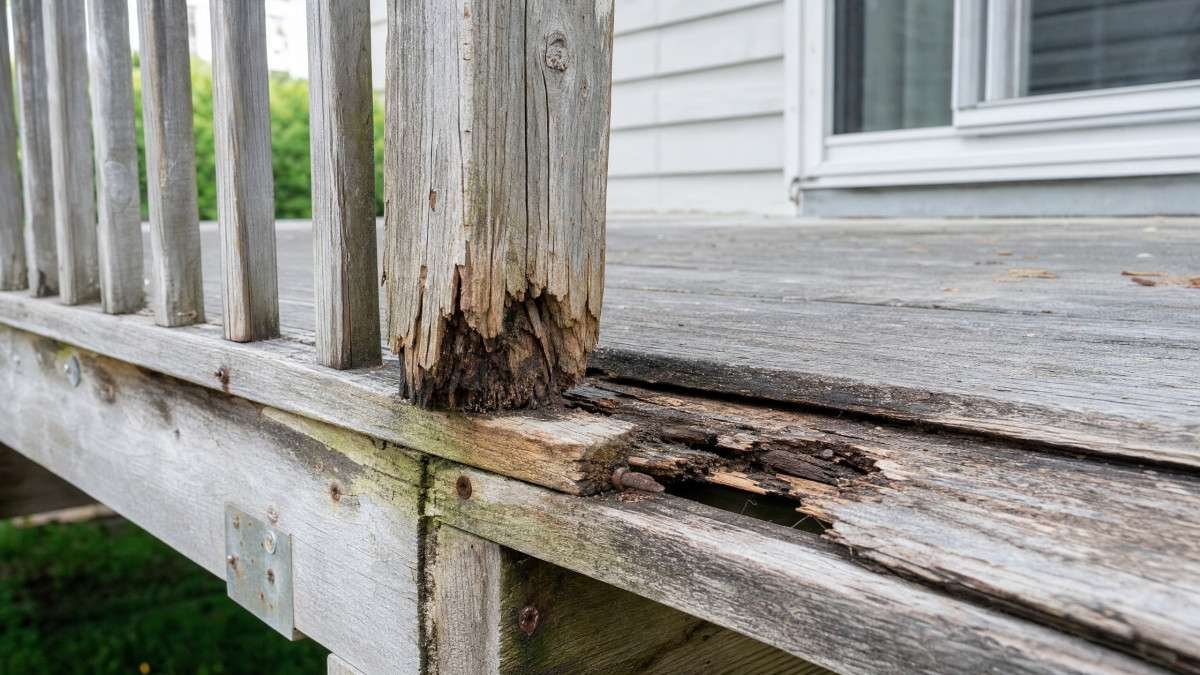
Ledger Board Inspection and Water Intrusion Prevention
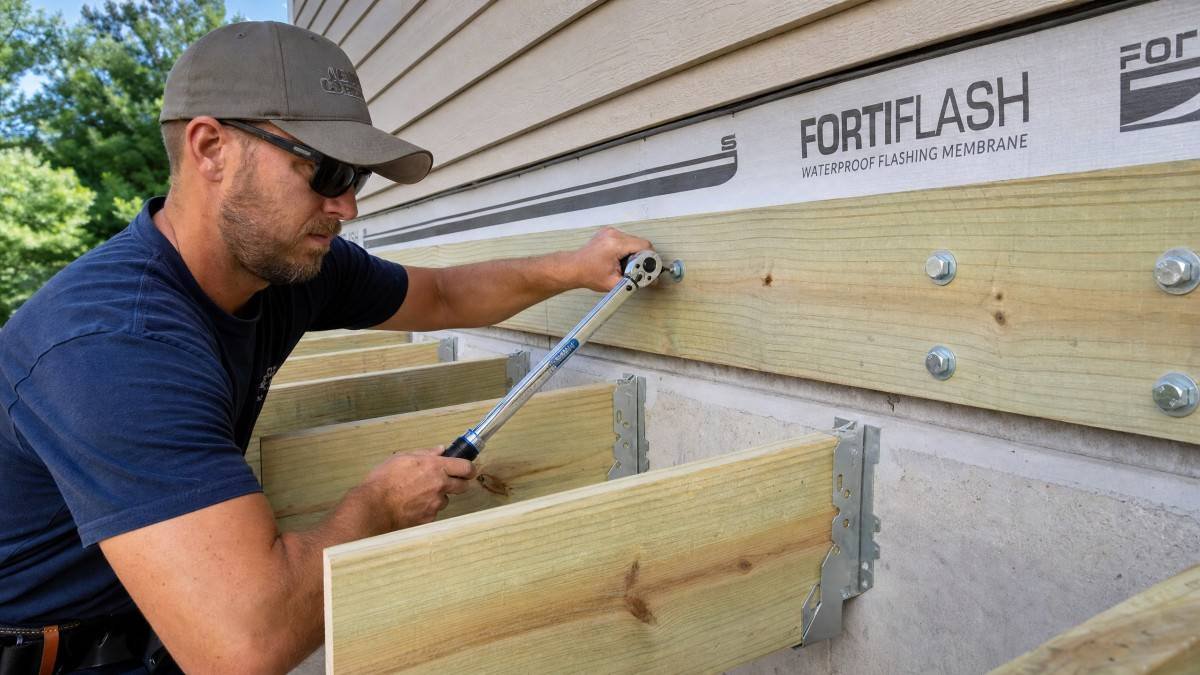
The ledger board is a critical connection between the deck and the house, and its condition significantly affects overall deck stability. Inspecting the ledger involves checking that it is securely fastened to the house framing with the proper fasteners such as lag bolts or through-bolts. Missing or inadequate fasteners can lead to partial or complete deck collapse. It is also important to verify that the ledger board is made from appropriate material rated for outdoor exposure and that it has not been compromised by previous repairs or modifications.
Flashing installed above the ledger board prevents water from penetrating the connection area, which is a common point for rot and decay. Improper or missing flashing allows moisture to seep behind the ledger, causing wood to deteriorate over time. Ensuring the flashing is continuous and properly sealed is essential for extending the ledger’s lifespan and safeguarding the home structure. In addition to metal flashing, some installations use self-adhered membranes or specialized flashing tape to enhance water resistance. Homeowners should also inspect adjacent siding and trim for signs of water damage that might indicate flashing failure.
Another important aspect of ledger board inspection is checking for any gaps between the ledger and the house wall. Even small gaps can allow water intrusion and create pockets where debris accumulates, fostering mold growth and wood decay. Sealants may be used to close these gaps, but they should not substitute for proper flashing and fastening. Ensuring these elements are correctly installed and maintained will help prevent costly repairs and maintain the structural integrity of the deck connection over time.
Posts and Footings Evaluation for Support Integrity
Posts support the deck’s weight and transfer it to the footings and ground below. Evaluating posts includes examining their bases for signs of rot, insect damage, or improper positioning. Posts should rest on metal post bases anchored to concrete footings, preventing direct wood-to-soil contact that accelerates decay. It is equally important to check the vertical alignment of posts to ensure they are plumb and have not shifted or tilted, which can compromise load distribution and overall stability.
Concrete footings must extend below the frost line to avoid movement from freeze-thaw cycles that can loosen posts and destabilize the deck. Additionally, post-to-beam connections should be tight and use appropriate hardware like metal brackets or straps. Any movement or deterioration in these areas compromises the deck’s structural safety. Footings should also be inspected for cracks, erosion, or settling that could affect the support system. In regions with heavy rainfall or poor drainage, ensuring proper soil conditions around footings is crucial to prevent undermining of the foundation.
Environmental factors such as excessive moisture or soil composition can accelerate post deterioration. In areas prone to termite activity or other wood-boring insects, posts should be treated or constructed from naturally resistant materials. Regular inspection of posts for surface cracks, gouges, or evidence of insect infestation allows for early intervention. When damage is found, posts may need to be reinforced or replaced to maintain the deck’s load-bearing capacity and safety.
Beams, Joists, and Decking Boards Condition Assessment
Beams and joists form the framework supporting the decking surface and must be inspected for rot, insect damage, and proper sizing. Undersized or spaced joists can lead to sagging or bounce underfoot. Joist hangers, which support joists at their connections to beams or ledger boards, should be present and free from rust or corrosion. It is essential to verify that joist hangers are securely fastened and have not loosened due to weathering or mechanical stress.
Decking boards are exposed to weather and foot traffic and are prone to rot, splitting, and loose fasteners. Checking for raised nails or screws, excessive gaps, and soft spots is important for safety and comfort. Damaged boards should be replaced to prevent injury and protect the underlying structure from water damage. Additionally, examining the surface for signs of warping or cupping can help identify boards that may cause tripping hazards or lead to water pooling.
Besides visual checks, gently probing beams, joists, and decking boards with a screwdriver or awl can reveal hidden decay not visible on the surface. If the wood feels spongy or crumbles easily, it indicates significant deterioration requiring repair or replacement. Proper ventilation beneath the deck also plays a vital role in preserving these components by reducing moisture buildup, so ensuring adequate airflow under the deck is another key factor in maintaining structural health.
Railings and Stairs Safety Checks
Railings provide fall protection and must meet height and spacing requirements to ensure safety. Decks less than 30 inches above grade require railings at least 36 inches tall, while higher decks require 42-inch railings. Balusters should be spaced so a 4-inch sphere cannot pass through to prevent children from slipping through gaps. Ensuring that railing materials are sturdy and weather-resistant helps maintain long-term safety and appearance.
Railings should be stable with minimal movement, ideally less than one inch of sway at the top. Stairs need consistent rise and run dimensions for safe footing, along with secure handrails. Stringers supporting stairs should be free of rot and properly fastened to the deck framing. Any instability or deterioration in these components increases fall risk. It is also prudent to inspect stair treads for wear or damage, as uneven or loose treads can cause trips and falls.
Additional safety considerations include checking that stair handrails are at an appropriate height and securely attached, allowing users to maintain balance while ascending or descending. Lighting around stairs and railings can further enhance safety, especially during evening use. When replacing or upgrading railings and stairs, selecting materials that comply with local building codes and offer durability against weather elements will provide lasting protection and peace of mind.
Fasteners, Materials, and Maintenance Practices
Fasteners such as nails, screws, bolts, and joist hangers are critical for deck integrity and must be corrosion-resistant, typically hot-dipped galvanized or stainless steel for exterior use. Rusted or corroded fasteners lose strength and can cause structural failure. Inspecting and replacing compromised fasteners prolongs deck life. It is also important to ensure fasteners are properly sized and installed according to manufacturer guidelines to maximize holding power.
Using pressure-treated lumber or composite decking materials increases resistance to rot and insect damage. Applying water repellent coatings annually helps protect wood surfaces from moisture penetration. Regular inspections and timely repairs are essential maintenance steps to prevent deterioration and ensure the deck remains safe and durable. Additionally, proper cleaning of the deck surface to remove dirt, leaves, and mildew not only improves appearance but also prevents decay caused by trapped moisture.
Maintenance practices should also include monitoring for signs of UV damage, which can cause wood to splinter and degrade over time. Using stains or sealers with UV inhibitors protects decking surfaces and extends their service life. When selecting materials for repairs or upgrades, compatibility with existing components and fasteners is crucial to prevent galvanic corrosion or other issues. A well-maintained deck with appropriate materials and hardware provides a safe and attractive outdoor living space for years to come.
| Material | Initial Cost | Durability | Maintenance Required | Resistance to Rot and Insects |
|---|---|---|---|---|
| Pressure-Treated Wood | Low | Moderate (10-15 years) | Annual sealing or staining | Good with treatment |
| Composite Decking | High | High (25+ years) | Minimal, occasional cleaning | Excellent |
| Cedar or Redwood | Moderate | Moderate (15-20 years) | Regular sealing and staining | Moderate |
| Aluminum | High | Very High (30+ years) | Minimal | Excellent |
Frequently Asked Questions
What is the required railing height for decks and porches?
Decks less than 30 inches above the ground require railings at least 36 inches tall, while decks higher than 30 inches must have railings at least 42 inches in height. These requirements are designed to prevent falls and comply with safety codes. Meeting these height standards is essential to provide adequate protection, especially in homes where children or elderly individuals may be using the deck frequently.
What is the maximum spacing allowed between balusters?
Balusters should be spaced so that a 4-inch diameter sphere cannot pass through any opening. This spacing prevents small children or pets from slipping through the railing and reduces fall hazards. Maintaining proper baluster spacing also helps meet building code requirements and enhances the overall safety of the deck environment.
Why is flashing on the ledger board important?
Flashing prevents water from entering the gap between the ledger board and the house, protecting the ledger and adjacent framing from rot. Without proper flashing, water intrusion often causes premature decay and structural failure at this critical junction. Proper flashing extends the lifespan of the deck connection and helps avoid costly repairs or replacements due to water damage.
How deep should footings be for deck posts?
Footings must extend below the local frost line to prevent movement caused by freeze-thaw cycles. Depth varies by region but generally ranges from 12 to 48 inches. Proper footing depth ensures stability and reduces the risk of shifting or settling. Consulting local building codes or a structural engineer can provide guidance on the appropriate footing depth for a specific location.
Is composite decking better than wood?
Composite decking offers higher durability and lower maintenance compared to wood but comes with a higher upfront cost. It resists rot, insect damage, and warping better than wood, making it a long-term cost-effective option despite the initial investment. However, wood decking provides a natural appearance and can be more affordable initially, though it requires regular upkeep to maintain its condition and safety.
Conclusion
Evaluating the condition of a deck or porch involves a detailed and systematic inspection of all critical components including the ledger board, posts, beams, decking boards, railings, stairs, and fasteners. Attention to signs of wood rot, corrosion, improper construction techniques, and adherence to safety standards is crucial in preventing accidents and structural failures. Using physical testing methods alongside visual inspections helps detect hidden weaknesses that might not be immediately apparent.
Routine maintenance such as replacing damaged parts, applying protective coatings, installing proper flashing, and maintaining compliance with current building codes enhances the durability and safety of outdoor structures. By gaining a strong understanding of common defects and inspection priorities, property owners can ensure their decks and porches remain secure, attractive, and reliable spaces for everyday enjoyment and use.