
Four billion dollars in 2023. Down to $126 million by early 2026—at least on paper. Then back up to $1.2 billion by March. How does a Silicon Valley billionaire’s fortune swing this violently?
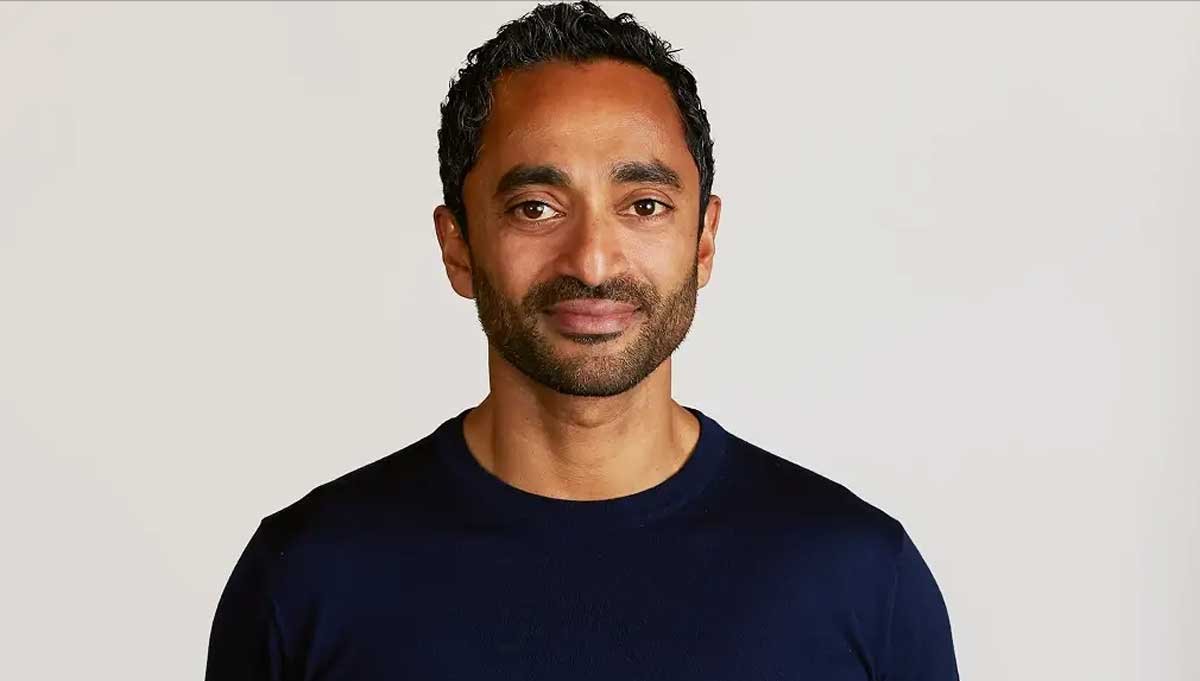
The answer reveals everything about how modern tech wealth actually works. Chamath Palihapitiya’s net worth stands at approximately $1.2 billion as of March 2026, but that figure tells only part of his story. From Sri Lankan refugee to Facebook executive to the controversial “SPAC King,” Chamath built one of the most scrutinized fortunes in venture capital.
This article breaks down exactly how Chamath accumulated his wealth, where his fortune stands today, and what his investment track record truly shows—including the controversies most financial sites prefer to gloss over. You’ll see detailed breakdowns of his asset holdings, complete SPAC performance data, and analysis of both his brilliant early wins and his costly recent failures.
Whether you’re an aspiring investor studying successful VCs, a skeptic evaluating his All-In Podcast commentary, or simply curious about one of tech’s most polarizing figures, you’ll find answers here.
Quick Facts at a Glance
| Metric | Details |
|---|---|
| Full Name | Chamath Palihapitiya |
| Net Worth (2026) | $1.2 billion |
| Age | 49 (born September 3, 1976) |
| Nationality | Sri Lankan-Canadian-American |
| Primary Wealth Source | Venture capital investments, SPAC proceeds |
| Famous For | Facebook VP, Social Capital founder, “SPAC King,” All-In Podcast |
| Notable Investments | Slack, Virgin Galactic, SoFi, Clover Health, Groq AI |
| Residence | Atherton, CA ($72 million mansion) |
| Education | University of Waterloo (Electrical Engineering) |
| Career Start | AOL (youngest VP in company history) |
How Much Is Chamath Palihapitiya Worth in 2026?
The definitive answer: $1.2 billion.
But here’s where it gets interesting. Different sources report wildly varying figures—anywhere from $1 billion to $4 billion. Some SEC filings show just $126 million. So what’s the truth?
The confusion stems from valuation methodology. Public stock holdings are easy to calculate. Private investments? Not so much. When Chamath transitioned Social Capital from a traditional VC fund to a family office in 2018, transparency decreased dramatically. His Bitcoin holdings add another layer of uncertainty—he claims to have bought 100,000 BTC below $100 each, but it’s unclear how much he still holds.
Here’s how his wealth breaks down across asset categories:
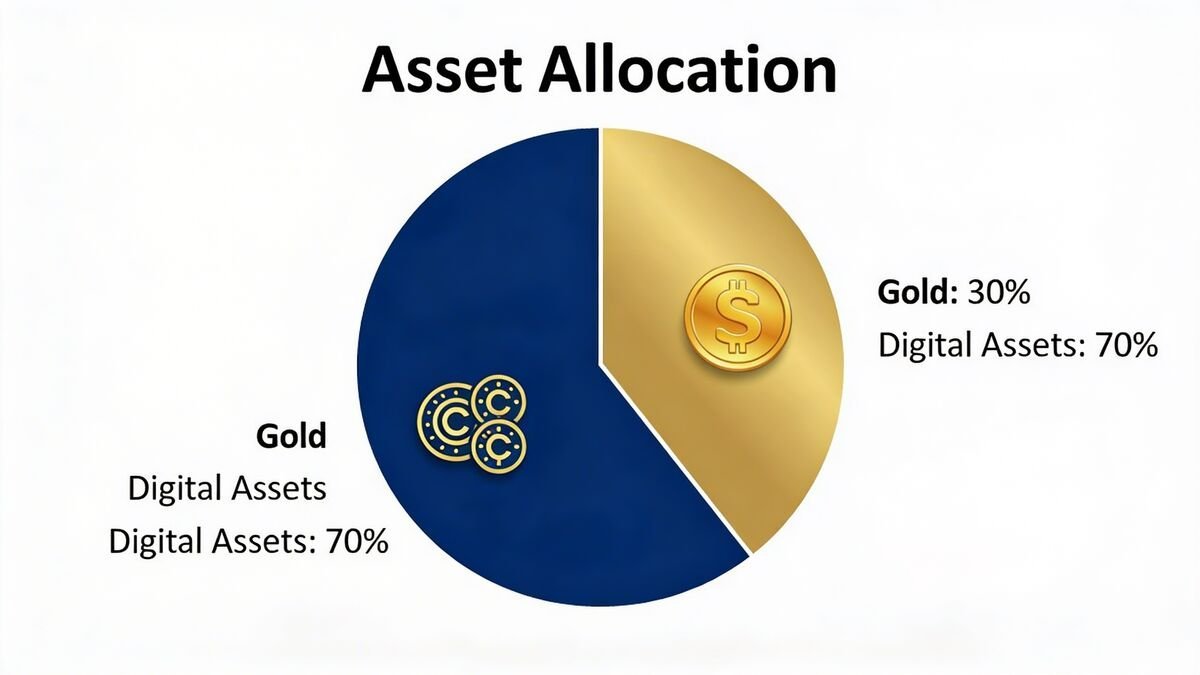
| Asset Category | Estimated Value | % of Net Worth | Notes |
|---|---|---|---|
| Public Stock Holdings | $250-400M | 21-33% | SoFi (19.9M shares), Clover Health, others |
| Private Investments | $400-600M | 33-50% | Social Capital portfolio: Groq, Palmetto, 50+ companies |
| Real Estate | $75M | 6% | Atherton mansion ($72M), other properties |
| Cryptocurrency | $50-200M | 4-17% | Bitcoin holdings (highly uncertain if retained) |
| SPAC Proceeds & Cash | $200-300M | 17-25% | Realized gains from sponsor fees, warrant sales |
| Other Assets | $50-100M | 4-8% | Warriors stake proceeds, miscellaneous holdings |
| TOTAL | $1.025-1.675B | 100% | Median estimate: $1.2B |
His most transparent asset is SoFi. As of October 2025, he owned 19.9 million shares of the fintech company—worth anywhere from $150 million to $250 million depending on the stock’s daily fluctuations. This is publicly disclosed and easy to verify.
The cryptocurrency question mark looms large. If Chamath actually held his claimed 100,000 Bitcoin from purchases under $100, that position alone would be worth $8 billion today. He almost certainly sold significant portions during the 2017 and 2021 bull runs, but even retaining 10% would represent nearly $1 billion in current value. He’s been notably vague about his current holdings.
Private investments through Social Capital represent the murkiest component. The firm manages approximately $2.1 billion in capital across 50+ portfolio companies. His personal stake in winners like Groq (AI chips) and Palmetto (clean energy) could be worth $400-600 million, but without public filings, these are educated estimates.
The wealth volatility is real. His peak came around 2023 when tech stocks soared and SPAC valuations remained inflated—potentially $4 billion. The low point hit in early 2026 when SEC filings capturing only his public holdings showed just $126 million. The reality sits between these extremes, centering around $1.2 billion when accounting for both public and private assets.
One thing’s certain: regardless of the exact figure, Chamath Palihapitiya is legitimately a billionaire.
How Did Chamath Palihapitiya Build His Fortune?
Phase 1: The Immigrant Hustle (1976-2007)
Born in Sri Lanka in 1976, Chamath arrived in Canada at age six. His family lived on welfare. His father worked multiple jobs while his mother struggled with depression. “We had nothing,” he’s said in interviews. “I knew I had to make it.”
That hunger shaped everything. At the University of Waterloo, he studied electrical engineering while obsessing over technology’s potential. After graduating in 1999, he joined Winamp, then AOL after its acquisition. By his mid-twenties, he’d become AOL’s youngest vice president in company history. In 2003, he became a millionaire for the first time.
The experience taught him corporate politics and deal-making, but he wanted more. He briefly joined Mayfield Fund to learn venture capital, then waited for the right opportunity.
Phase 2: The Facebook Fortune (2007-2011)
That opportunity arrived in 2007 when Mark Zuckerberg hired him as VP of User Growth. Facebook had roughly 50 million users. Mobile barely existed. Most people thought social networking had peaked with MySpace.
Chamath saw differently. He built the growth team from scratch, implementing viral mechanics that exploded user acquisition. By the time he left in 2011, Facebook had topped one billion users. His compensation—a mix of salary and stock—likely totaled $25-50 million. Impressive, but not billionaire money.
More valuable than the cash was the playbook. He learned how growth really works. He studied network effects at unprecedented scale. He developed direct access to Zuckerberg and Silicon Valley’s inner circle. When he left to start his own venture capital firm, he carried credentials money can’t buy.
Phase 3: Social Capital’s Early Wins (2011-2019)
Chamath founded Social Capital in 2011 with an audacious mission: “advance humanity by solving the world’s hardest problems.” The pitch resonated. He raised over $1 billion by 2015.
His investment thesis focused on infrastructure over features. Don’t back the fifteenth photo-sharing app. Back the communication tools every company needs. The strategy worked brilliantly.
Slack: Social Capital invested early in what would become the workplace collaboration standard. When Salesforce acquired Slack for $27.7 billion in 2021, Social Capital’s stake was worth hundreds of millions.
Yammer: He backed the enterprise social network in 2011. Microsoft bought it for $1.2 billion just one year later—a quick 10-20x return.
Box: Another infrastructure play. The cloud storage company went public in 2015 and delivered strong returns.
SurveyMonkey: Solid exit, adding to Social Capital’s win column.
By the mid-2010s, Chamath had established himself as one of Silicon Valley’s sharpest minds. His fund returns ranked in the top tier. Founders wanted his backing. Other VCs studied his approach.
Then came the SPACs.
Phase 4: The SPAC Empire (2019-2022)
SPACs—Special Purpose Acquisition Companies—are shell companies that raise money through an IPO, then merge with a private company to take it public. It’s a backdoor alternative to traditional IPOs with less regulatory scrutiny.
In 2019, Chamath called SPACs the future of capital formation. They would “democratize access” to high-growth companies for retail investors. Traditional IPOs, he argued, were rigged for institutional investors who got in at lower prices before retail could buy shares.
He launched 12 SPACs under the Social Capital Hedosophia brand, raising billions from enthusiastic retail investors who trusted his track record.
The deals came fast:
Virgin Galactic (2019): Space tourism company founded by Richard Branson. Chamath’s first major SPAC deal.
Clover Health (2020): Health insurance technology company promising to disrupt Medicare Advantage.
Opendoor (2020): Real estate tech aiming to revolutionize home buying.
SoFi (2021): Fintech platform offering student loan refinancing, investing, and banking.
Plus eight more.
Chamath personally profited enormously. His gains included:
- Virgin Galactic: $213 million from selling shares near peak prices
- Clover Health: Turned a $25,000 personal investment into $290 million
- Total SPAC proceeds: Estimated $500 million+ from sponsor fees, warrants, and well-timed exits
By late 2021, his net worth peaked. The portfolio companies were soaring. Retail investors worshiped him. The SPAC market seemed unstoppable.
Phase 5: The Reckoning (2022-Present)
Then everything collapsed.
The SPAC market crashed spectacularly in 2022. Rising interest rates killed appetite for unprofitable growth companies. Nearly all of Chamath’s SPACs crashed:
- Virgin Galactic: Down 90%+ from peak
- Clover Health: Down 95%+, hit with fraud allegations
- Opendoor: Down 80%+
- Desktop Metal: Bankrupt
- Proterra: Bankrupt
- Berkshire Grey: Bankrupt
- Sunlight Financial: Delisted, down 99%
Investors who bought shares based on Chamath’s promotional appearances lost billions. He’d already exited most positions near highs. The conflict was stark: he made half a billion while those who followed him lost everything.
Congress held hearings. The New York Times published a damning exposé in December 2022 titled “Chamath Palihapitiya, The ‘SPAC King,’ Is Over It.” Lawsuits piled up.
Chamath transitioned Social Capital to a family office, closing outside investors out. He launched 8090, an incubator combining AI tools with offshore engineering to rebuild enterprise software. He continued hosting the All-In Podcast, which became wildly popular.
In August 2025, he returned to SPACs with “American Exceptionalism Acquisition Corp. A,” raising $345 million. But this time, he warned retail investors to stay away, saying “there’s no crying in the casino.” The irony wasn’t lost on critics.
Chamath’s SPAC Performance: The Full Picture
Let’s examine what actually happened with Chamath’s SPAC empire. The nickname “SPAC King” came from the sheer volume—12 SPACs in roughly three years—and his promotional prowess. But did investors actually make money?
Here’s the complete performance record:
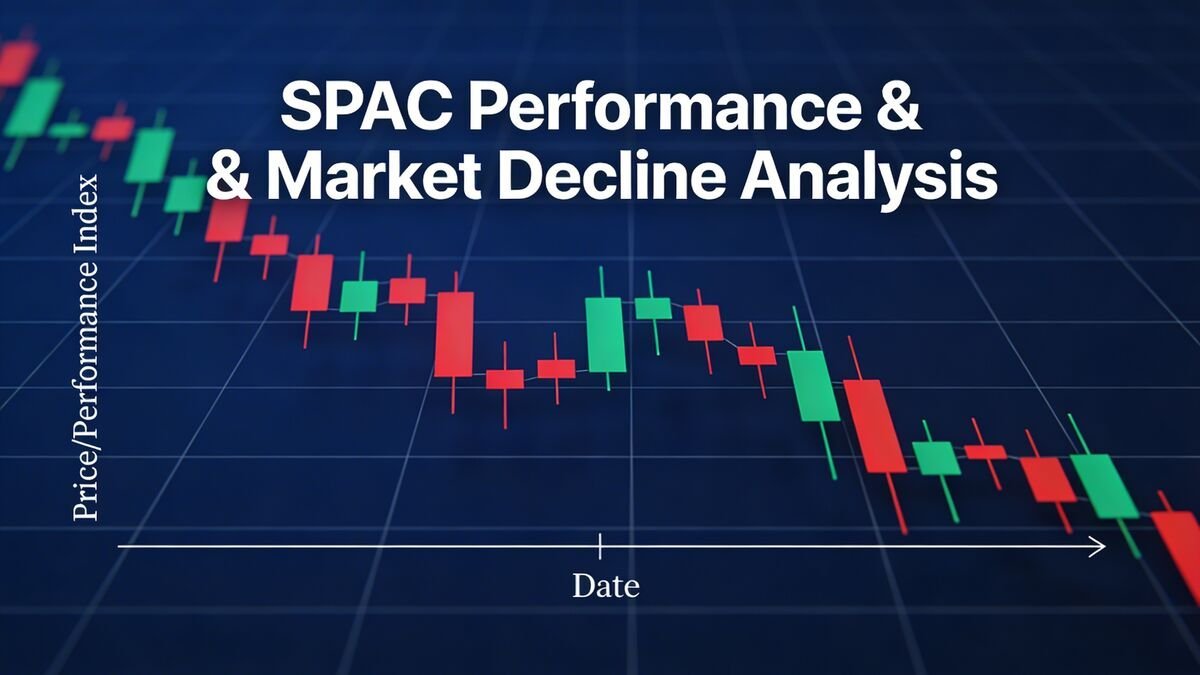
| Company | Merger Date | IPO Price | Current Price (Mar 2026) | Return | Status |
|---|---|---|---|---|---|
| Virgin Galactic (SPCE) | Oct 2019 | $10 | $2.80 | -72% | Active but struggling |
| Opendoor (OPEN) | Dec 2020 | $10 | $3.20 | -68% | Active, posting losses |
| Clover Health (CLOV) | Jan 2021 | $10 | $0.45 | -95.5% | Active, under $1 |
| SoFi Technologies (SOFI) | June 2021 | $10 | $23.80 | +138% | Active, profitable |
| Proterra | Jan 2021 | $10 | Delisted | -100% | Bankrupt (2023) |
| Desktop Metal (DM) | Dec 2020 | $10 | Delisted | -100% | Bankrupt (2024) |
| Berkshire Grey | July 2021 | $10 | Delisted | -100% | Bankrupt |
| Sunlight Financial | Dec 2020 | $10 | $0.08 | -99.2% | Delisted |
| ProKidney | May 2023 | $10 | $1.20 | -88% | Active |
| Akili Interactive | Aug 2022 | $10 | $0.30 | -97% | Delisted |
| MP Materials (PIPE) | Nov 2020 | $10 | $22.50 | +125% | Active (PIPE investor) |
| Lemonade (PIPE) | July 2020 | $29 | $18 | -38% | Active (PIPE investor) |
| Average (Direct SPACs) | — | — | — | -26.2% | 4 total bankruptcies |
One success. Twelve attempts.
Only SoFi delivered positive returns—and delivered spectacularly at +138%. This single win prevented Chamath’s track record from being catastrophic. MP Materials also succeeded, but Chamath was a PIPE investor rather than the SPAC sponsor, limiting his promotional responsibility.
The other eleven ranged from disappointing to devastating. Four companies went completely bankrupt. Seven others remain active but have destroyed 68-99% of investor value.
Total investor losses: Estimated $15-20 billion in market capitalization erased.
Chamath’s personal gains: Over $500 million from sponsor fees, warrants, and strategically timed share sales.
This created the structural problem critics emphasized: SPAC sponsors make money regardless of investor outcomes. Chamath earned a 20% “promote” (free shares) plus warrants just for completing deals. He had incentive to do any deal, not necessarily good deals. And he had incentive to sell shares quickly, before fundamental problems emerged.
The timing of his exits raised eyebrows. He sold Virgin Galactic shares when the stock traded above $40. Retail investors bought at those levels based partly on his promotional appearances. The stock now trades under $3. He profited $213 million. They lost billions.
Legally, everything he did was disclosed and permitted. Ethically? That’s where the debate rages.
To put this in context, the average SPAC from the 2020-2021 era has returned approximately -45%. Chamath’s -26% average beats that benchmark. But “less terrible than average” isn’t the standard he set for himself. He promised to democratize access to winning investments. Instead, he created a system where he won enormously regardless of whether investors did.
Bill Ackman, another famous SPAC sponsor, chose differently. When his SPAC couldn’t find a suitable target, he returned money to investors. Chamath completed every deal, regardless of quality, because the incentive structure rewarded completion over caution.
This remains the defining controversy of his career.
Beyond SPACs: Chamath’s Investment Track Record
To understand Chamath’s true investment abilities, we need to look beyond the SPAC era. Before 2019, his track record was genuinely elite. After 2022, he’s been rebuilding. Here’s the full picture.
The Big Winners
| Company | Investment Year | Outcome | Estimated Return |
|---|---|---|---|
| Slack | ~2012 | Salesforce acquisition ($27.7B, 2021) | 50-100x |
| Yammer | 2011 | Microsoft acquisition ($1.2B, 2012) | 10-20x |
| SurveyMonkey | ~2013 | IPO + acquisition (Momentive) | 5-10x |
| Box | ~2012 | IPO 2015, sustained growth | 5-10x |
| Groq (AI chips) | ~2016 | Nvidia acquisition rumors (2025) | TBD, potential 50x+ |
Social Capital’s early wins showcased genuine insight. The pattern was clear: invest in B2B infrastructure that every company eventually needs. Not consumer apps. Not marginal improvements. Fundamental tools.
The Slack investment exemplified this. In 2012, workplace communication meant email and fragmented tools. Slack unified everything. Social Capital recognized this would become essential infrastructure. When Salesforce paid $27.7 billion in 2021, Social Capital’s early position was worth potentially $500 million or more.
Yammer followed similar logic—enterprise social networking before collaboration tools went mainstream. Microsoft’s $1.2 billion acquisition in 2012, just one year after Social Capital’s investment, delivered a quick 10-20x return.
These weren’t luck. They reflected a coherent investment thesis executed with discipline.
Groq could become his next massive winner. The AI chip company (not related to the Grok chatbot) specializes in inference processors for large language models. Social Capital invested early, potentially holding 5-10% equity. With Nvidia’s rumored interest in acquiring the company in late 2025, Chamath could see another $250-500 million gain if a deal materializes.
The Costly Failures
| Company | Investment Year | Outcome | Estimated Loss |
|---|---|---|---|
| Relativity Space | ~2019 | Failed orbital launch, massive layoffs | -$380M |
| Desktop Metal | 2020 (SPAC) | Bankruptcy 2024 | -$100M+ |
| Proterra | 2021 (SPAC) | Bankruptcy 2023 | -$50M+ |
| Clover Health | 2020 (SPAC) | Down 95%, fraud allegations | -$200M+ (portfolio impact) |
Relativity Space represented his single biggest documented loss. Chamath invested $380 million in the rocket company aiming to 3D-print launch vehicles. After a failed orbital attempt and subsequent scaling back, he acknowledged the loss publicly on the All-In Podcast in March 2025. “We lost $380 million,” he said flatly. “That’s the game.”
The SPAC failures compounded. Desktop Metal, a 3D printing company, filed for bankruptcy in 2024. Proterra, an electric bus manufacturer, collapsed in 2023. While Chamath’s personal losses were limited by his early exits, these failures destroyed investor wealth and damaged his reputation.
The pattern is clear: his 2011-2018 investments showed elite judgment. His 2019-2022 SPAC era showed rushed decision-making and questionable quality control. His 2023-present investments remain unproven but appear more selective.
Overall Track Record Assessment
Early career (2011-2018): Elite tier. Multiple 10x+ wins. Coherent thesis. Patient capital deployment.
SPAC era (2019-2022): Below average. Only 1 success out of 12. Rushed deals. Misaligned incentives.
Current era (2023-present): Rebuilding. More selective. Emphasis on AI and climate tech. Results TBD.
Net assessment: Very successful overall—his billionaire status proves it. But recent track record is mixed at best. Investors should study his early wins while learning from his SPAC-era mistakes.
Even great investors fail 40-60% of the time. The difference is whether they win big enough on their successes to offset the failures. Chamath’s early wins (Slack, Yammer, Box) more than compensated for typical VC failure rates. His SPAC era failed differently—not because some deals didn’t work, but because he profited while investors didn’t.
The Dark Side: Chamath’s Biggest Controversies
No billionaire’s story comes without controversy. Chamath’s critics argue he enriched himself at retail investors’ expense. His supporters claim he took genuine risks and disclosed everything. Let’s examine the main criticisms objectively.
SPAC Conflicts of Interest
The criticism: Chamath made over $500 million from SPACs while investors lost billions. The SPAC structure guarantees sponsor profits regardless of investor outcomes.
The facts: SPAC sponsors receive 20% of equity (the “promote”) plus warrants simply for completing a merger. They earn management fees during the search period. They face no downside risk. This creates perverse incentives—any deal is better than no deal, because sponsors only profit if they complete a transaction.
Chamath completed every SPAC he launched. He found targets regardless of quality. When congressional hearings examined SPAC structures in 2022, the testimonies revealed what critics had argued: misaligned incentives that enrich sponsors while exposing investors to massive downside.
His defense: “Everyone knew the risks. I disclosed everything. These were speculative investments in difficult companies trying to do hard things.”
Verdict: Legally defensible. He broke no laws. Ethically questionable. He promoted these investments heavily to retail audiences while maintaining structural advantages they didn’t fully understand.
The “No Crying in the Casino” Moment
In August 2025, Chamath launched a new SPAC—American Exceptionalism Acquisition Corp. A—raising $345 million. But this time, something changed.
He explicitly warned retail investors to stay away.
“There’s no crying in the casino,” he said publicly, urging people to view SPAC investments as fully risk-losable speculation—”like gambling.” He added that retail investors should only participate with money they could afford to lose entirely.
The reaction: Critics pounced. If SPACs are so risky that even the sponsor warns people away, why create them? Doesn’t this admission prove the previous SPACs were predatory toward retail?
His perspective: He claims he’s being radically honest about risks, something sponsors rarely do. By warning people upfront, he’s actually more ethical than predecessors who oversold potential.
The irony: The new SPAC specifically targets retail investors—it’s listed on NYSE for public trading. If retail shouldn’t participate, why not structure it as a private fund limited to accredited investors?
The contradiction is hard to square.
Social Capital Partner Firings (2024)
In March 2024, Chamath fired two Social Capital partners: Jay Zaveri and Ravi Tanuku. The termination came amid a reported dispute over the Groq AI investment.
The allegations: The partners believed they were entitled to a larger share of Groq’s returns. Groq had been valued at $1 billion+ in 2021 and was reportedly raising at much higher valuations in 2024. The partners felt their contributions warranted meaningful equity participation in this potentially massive win.
Chamath’s position: The dispute details remain private. Social Capital operates as his family office, and he maintains full control over capital allocation.
The pattern: This wasn’t Social Capital’s first acrimonious departure. Multiple partners have left over the years, contributing to Chamath’s reputation as “difficult to work with” in VC circles.
Talented people don’t typically leave thriving partnerships unless something’s wrong. The recurring pattern suggests either extraordinary bad luck in partner selection or challenging management dynamics.
Virgin Galactic: Profiting While Investors Sink
The Virgin Galactic deal crystallizes the SPAC criticism.
The timeline:
- October 2019: SPAC merger completed at $10/share
- Early 2021: Stock peaks above $55
- Feb 2021: Chamath begins selling shares around $35-50
- Total sold: Enough to realize $213 million in personal gains
- March 2026: Stock trades at $2.80
Chamath sold near the absolute peak. He framed these sales as portfolio rebalancing. Retail investors, influenced partly by his continued promotional appearances, kept buying. The stock has since collapsed 95% from those highs.
Virgin Galactic has faced technical challenges, delayed commercial operations repeatedly, and burned through billions in cash. Many of these problems were foreseeable or already emerging when Chamath sold.
The optics: It looks like insider knowledge used for personal gain while retail bagholders suffered.
The legality: Fully legal. All sales were properly disclosed. Insiders are permitted to sell shares.
The ethics: Complicated. He promoted the company on CNBC and podcasts while simultaneously exiting his position. The information asymmetry—his intimate knowledge of the company’s challenges versus retail’s limited information—created an uneven playing field.
New York Times Exposé (December 2022)
The Times published “Chamath Palihapitiya, The ‘SPAC King,’ Is Over It” in December 2022. The investigation included interviews with multiple investors who felt misled by Chamath’s promotional activities.
Key findings:
- Pattern of moving on from failed investments without accountability
- Heavy promotion during accumulation, silence during collapse
- Structural conflicts insufficiently disclosed to retail audiences
- Investors who trusted his track record and lost substantially
The impact: The article significantly damaged his reputation. It provided a comprehensive counter-narrative to his self-presentation as a visionary democratizing finance.
His response: Chamath largely ignored the piece publicly. He continued hosting the All-In Podcast, which experienced record growth. He launched new ventures (8090 incubator, new SPAC) without apologizing or changing approach materially.
Bottom Line on Controversies
These aren’t baseless attacks. They’re documented, specific, and factually supported. They don’t erase Chamath’s genuine early successes—Slack, Yammer, and Box were brilliant investments. They don’t mean he’s a fraud—his analytical abilities remain evident on the All-In Podcast.
But they do raise serious questions about his judgment during the 2019-2022 SPAC boom and his willingness to prioritize personal profit over investor outcomes.
For anyone considering following his investment advice or participating in his ventures: extreme caution is warranted. Study what he does, not just what he says. Understand that his incentives may not align with yours. And remember: he’ll be fine regardless. The question is whether you will be.
How Does Chamath Stack Up Against Other Top VCs?
Context matters. Is Chamath unusually successful, or typical for top-tier VCs? Let’s compare.
| Investor | Net Worth | Famous Wins | Career Longevity | Controversy Level |
|---|---|---|---|---|
| Peter Thiel | $7.5B | PayPal, Facebook, Palantir | 25+ years | Medium |
| Marc Andreessen | $1.7B | Netscape, a16z portfolio | 30+ years | Low |
| Reid Hoffman | $2.5B | LinkedIn, PayPal | 25+ years | Low |
| Chamath Palihapitiya | $1.2B | Slack, SoFi, SPACs | 13 years | High |
| Bill Ackman | $9B | Activist investments | 20+ years | High |
By wealth, Chamath ranks middle-tier among famous venture capitalists. Peter Thiel’s $7.5 billion dwarfs Chamath’s fortune, built on earlier bets in PayPal and Facebook. Bill Ackman’s $9 billion comes from activist investing over two decades.
But look at the timeline. Chamath built $1.2 billion in just 13 years since founding Social Capital. That’s faster wealth accumulation than nearly anyone on the list. Thiel needed 25+ years. Andreessen needed 30+.
What makes Chamath different:
Media presence: Only major VC with a widely-listened podcast platform. The All-In Podcast reaches millions weekly, giving Chamath influence far beyond typical venture capitalists.
Retail focus: Only top VC who explicitly marketed investments to retail audiences. Most VCs operate with institutional investors and wealthy individuals. Chamath courted retail directly through media appearances and SPAC structures.
SPAC embrace: Only major VC who went all-in on SPACs as a primary strategy. Others experimented; Chamath built an empire.
Transparency paradox: Very public presence and personality, but opaque on specifics. He’ll discuss investment thesis broadly but rarely discloses positions, timing, or returns with precision.
Is he as successful as he seems?
By wealth: Yes. $1.2 billion is legitimately successful by any measure.
By returns: Mixed. Early Social Capital funds delivered elite returns. SPAC-era funds were terrible. Net outcome remains positive due to early wins.
By influence: Massive. Millions follow his commentary. Founders seek his backing. His Twitter threads move markets.
By reputation: Damaged but significant. The controversies hurt, but he remains a major voice in tech and finance.
The comparison reveals Chamath as uniquely positioned: fast wealth accumulation, massive public platform, high controversy, and polarized reputation. He’s simultaneously one of the most successful VCs of his generation and one of the most criticized.
Future Wealth Catalysts: Can Chamath Reach $5B?
Where does Chamath’s wealth go from here? Several scenarios could dramatically increase his net worth—or reduce it further.
Potential Upside Scenarios
1. SoFi Success
Current holding: 19.9 million shares worth approximately $200 million at $10/share.
SoFi recently achieved profitability after years of losses. The fintech platform offers student loan refinancing, investing, banking, and credit products. If the company executes well and the stock reaches $50/share (matching competitor valuations), Chamath’s stake would be worth $1 billion+.
Upside potential: $800 million gain
Probability: 30-40% over 3-5 years
2. Groq AI Windfall
Social Capital invested early in Groq, which builds inference processors optimized for large language models. In December 2025, reports emerged of Nvidia’s interest in acquiring the company.
If Chamath holds a 5-10% stake and Groq sells for $5-10 billion, his share would be worth $250-1 billion.
Upside potential: $500 million+ gain
Probability: 40-50% over 1-2 years (AI chip demand is surging)
3. New SPAC Success
American Exceptionalism aims to acquire companies in AI, energy, defense, or decentralized finance. The reformed structure ties Chamath’s rewards to stock prices of $12.50-$20 instead of just completing a deal.
If he actually finds a winner this time—a legitimate company that succeeds post-merger—he could realize $100-300 million in gains while rebuilding his reputation.
Upside potential: $300 million gain
Probability: 15-20% (track record suggests skepticism)
4. Bitcoin Holdings (If Real)
If Chamath retained even 10% of his claimed 100,000 Bitcoin, that’s 10,000 BTC worth $800 million at current prices. If Bitcoin reaches $150,000-200,000 per coin (which bulls predict), that stake would be worth $1.5-2 billion.
Upside potential: $1 billion+ if holdings exist and Bitcoin rallies
Probability: Unknown (holdings unverified)
Downside Risks
Public markets correction: If tech stocks crash, his SoFi and other public holdings could lose $200-400 million.
SPAC flops again: Another failed SPAC would further damage reputation and eliminate SPAC path forever.
Regulatory action: SEC or congressional action on SPAC conflicts could result in fines or forced disgorgement of past gains.
Partner disputes: Ongoing legal issues with former Social Capital partners could prove costly.
Realistic Projection
2027 net worth range: $900 million – $2.5 billion
Median scenario: $1.5 billion (modest growth from current $1.2B)
Bull scenario: $3 billion if both SoFi and Groq succeed
Bear scenario: $800 million if markets correct and investments disappoint
Path to $5 billion: Would require Groq unicorn exit ($1B+), SoFi 5x ($800M gain), Bitcoin windfall ($1B+), and sustained portfolio appreciation. Possible but unlikely.
Probability of reaching $5B: 10-15%
The most likely outcome is gradual wealth growth to $1.5-2 billion over the next 3-5 years, driven primarily by existing holdings appreciating rather than massive new wins. He’s diversified enough to survive bad outcomes, but lacks the concentrated position in a future mega-winner (like early Facebook or Google) that would propel him to $5+ billion.
What Chamath’s Story Teaches Us About Wealth
Strip away the controversy and the personality. What can investors learn from Chamath’s journey?
Lessons from His Successes
1. Bet on infrastructure, not features
Slack, Yammer, and Box weren’t novel ideas. Email existed. File sharing existed. Social networking existed. These companies won by making essential infrastructure dramatically better.
The lesson: Look for “picks and shovels” plays. When everyone’s rushing to mine gold, sell shovels. When everyone’s building apps, invest in the infrastructure those apps need.
Application: Today that might mean AI infrastructure (chips, model training), dev tools, or collaboration platforms for remote work.
2. Network effects compound wealth
Chamath’s Facebook experience gave him credibility. Credibility attracted deal flow. Deal flow created winners. Winners generated wealth. Wealth bought access to even better deals.
The lesson: Your first 1-2 major wins unlock everything else. Success breeds success in venture capital more than almost any field.
Application: If you’re building a career, maximize learning and network-building in your first opportunities, even if immediate compensation is modest. The compounding matters more.
3. Go public with your thesis
Chamath’s social media presence and podcast drive massive deal flow. Founders know his investment thesis because he broadcasts it. This attracts companies matching his criteria.
The lesson: Developing a clear, public point of view creates opportunities. Transparency (selectively applied) builds trust and attracts aligned opportunities.
Application: Write, tweet, or speak about your domain expertise. Share frameworks publicly. The right opportunities will find you.
Lessons from His Failures
4. Incentives must align
SPACs showed what happens when your success doesn’t depend on others’ success. Chamath profited regardless of investor outcomes. The structure was fundamentally flawed.
The lesson: Always ask “How does everyone win here?” If the answer is “They don’t,” you’re building on unstable ground.
Application: In any business relationship, partnership, or investment, examine incentive structures. Misalignment eventually creates conflict and failure.
5. Quality over quantity
Twelve SPACs in three years meant rushing. Early Social Capital was patient and selective. The SPAC era became a deal machine. Quality suffered catastrophically.
The lesson: The best investors say “no” 95%+ of the time. Rushing leads to mistakes. Selectivity compounds returns.
Application: Whether investing, hiring, or choosing partnerships, resist pressure to move fast. One great choice beats ten mediocre ones.
6. Reputation is fragile
Chamath built an elite reputation over ten years (2011-2021). He severely damaged it in two years (2021-2023). The recovery remains uncertain.
The lesson: Reputation is built slowly and destroyed quickly. One bad bet can erase ten good ones if it involves trust.
Application: Protect your reputation obsessively. Short-term gains that compromise long-term trust are rarely worth it.
The Meta-Lesson
Chamath’s story teaches that even brilliant investors make terrible decisions when incentives are wrong. He is genuinely talented—his early wins prove it. But when the SPAC structure allowed him to profit without accountability, he made choices that enriched him while destroying investor wealth.
This isn’t unique to Chamath. It’s human nature. Put anyone in a system that rewards bad behavior, and bad behavior will follow.
For investors, the takeaway is clear: Study what people do, not what they say. Examine their incentives. Ask who wins and who loses in every structure. And never assume that past success guarantees future judgment—especially when the rules of the game have changed.
Frequently Asked Questions About Chamath Palihapitiya’s Net Worth
What is Chamath Palihapitiya’s net worth?
Chamath Palihapitiya’s net worth is approximately $1.2 billion as of March 2026. Estimates vary from $1 billion to $4 billion depending on methodology and valuation of private holdings. The most reliable estimates center around $1.2 billion based on public stock holdings, documented SPAC proceeds, and Social Capital portfolio valuations. His wealth peaked near $4 billion in 2023 but corrected due to market conditions.
How did Chamath Palihapitiya make his money?
Chamath built his fortune through five primary sources: (1) Facebook compensation from 2007-2011 as VP of User Growth, estimated at $25-50 million in stock and salary, (2) Early venture capital wins through Social Capital including Slack (potentially $500M+ gain), Yammer, and Box, (3) SPAC sponsor fees and warrants generating $500M+ in proceeds, (4) Public company holdings, particularly 19.9 million shares of SoFi worth $150-250M, and (5) Potential cryptocurrency gains from Bitcoin purchases under $100/coin.
Is Chamath Palihapitiya a billionaire?
Yes, Chamath is legitimately a billionaire with net worth estimated at $1.2 billion. He reached billionaire status around 2019-2020 during the SPAC boom when his portfolio companies were valued at peak levels. While his wealth has fluctuated significantly—peaking near $4 billion in 2023—current estimates consistently place him above the $1 billion threshold even using conservative valuation methods for his private holdings.
How much did Chamath make from Virgin Galactic?
Chamath realized $213 million in personal gains from Virgin Galactic by selling shares at prices ranging from $35-50 per share in early 2021. He sold near the stock’s peak above $55. The stock subsequently crashed to under $3 per share by 2026, meaning he exited before a 95% decline. This timing generated controversy as retail investors bought shares partly based on his promotional appearances while he was simultaneously selling his position.
What percentage of SoFi does Chamath own?
Chamath owns approximately 19.9 million shares of SoFi Technologies, representing roughly 2% of outstanding shares as of October 2025. This stake is worth $150-250 million depending on the stock price, which fluctuates between $8-13 per share. SoFi is Chamath’s most successful SPAC investment and the only one delivering positive returns to investors, up 138% from the $10 SPAC price.
Did Chamath lose money on SPACs?
No, Chamath personally profited enormously from SPACs, with estimated total gains exceeding $500 million from sponsor fees, warrants, and strategically-timed share sales. However, investors in his SPACs lost billions. His 12 SPACs generated an average return of -26% for investors, with four companies going completely bankrupt. This misalignment—where he profited while investors lost—created the central controversy of his career and led to congressional scrutiny.
How much Bitcoin does Chamath own?
Chamath has claimed to have purchased approximately 100,000 Bitcoin between 2011-2013 at prices under $100 per coin. If retained, this position would be worth $8 billion+ at current prices around $80,000 per Bitcoin. However, he’s been notably vague about whether he still holds this Bitcoin or sold portions during the 2017 or 2021 bull markets. Even retaining just 10% would represent nearly $1 billion in current value, but the exact holdings remain unverified.
What is Social Capital?
Social Capital is Chamath Palihapitiya’s investment firm founded in 2011. Originally structured as a traditional venture capital fund raising money from outside investors, it transitioned in 2018 to a family office focused on deploying Chamath’s personal wealth. The firm manages approximately $2.1 billion in assets across 50+ portfolio companies, focusing on AI, healthcare, climate technology, and fintech. Notable investments include Slack, Groq, Palmetto, and SoFi.
Is Chamath still doing SPACs?
Yes, Chamath returned to the SPAC market in August 2025 with “American Exceptionalism Acquisition Corp. A,” which raised $345 million and trades on the NYSE under ticker AEXA. The SPAC targets companies in AI, energy, decentralized finance, and defense sectors. However, he explicitly warned retail investors to stay away, stating “there’s no crying in the casino” and urging people to view SPAC investments as fully risk-losable speculation—a notable shift from his earlier promotional approach.
How much is Chamath’s house worth?
Chamath’s primary residence is a 16,000-square-foot mansion in Atherton, California, purchased for $72 million in 2021. Atherton consistently ranks as one of America’s most expensive zip codes, home to numerous tech billionaires. The current market value is estimated at $75 million or more given continued appreciation in Silicon Valley’s ultra-luxury real estate market. The property represents approximately 6% of his total net worth.
What happened to Chamath’s Social Capital partners?
In March 2024, Chamath fired two Social Capital partners, Jay Zaveri and Ravi Tanuku, following a reported dispute over the Groq AI investment. The partners believed they were entitled to larger shares of returns from Groq, which was raising capital at significantly higher valuations than its earlier funding rounds. This followed a pattern of partner departures from Social Capital over the years, contributing to Chamath’s reputation as “difficult to work with” in venture capital circles.
How much does the All-In Podcast make?
The All-In Podcast’s revenue is not publicly disclosed, but industry estimates suggest $10-25 million in annual revenue from sponsorships, live events (including the All-In Summit), and related ventures. This revenue is split among four co-hosts: Chamath Palihapitiya, Jason Calacanis, David Sacks, and David Friedberg. The podcast has become one of the most influential in technology and finance, reaching millions of listeners weekly and commanding premium sponsorship rates.
Conclusion
Chamath Palihapitiya’s net worth stands at $1.2 billion in March 2026—a fortune built through Facebook experience, venture capital brilliance, and controversial SPAC dealings. From Sri Lankan refugee to Silicon Valley billionaire, his journey embodies both the promise and pitfalls of modern tech wealth.
The story isn’t simple. He made genuinely brilliant early investments in Slack, Yammer, and Box that established him as an elite investor. Then he launched twelve SPACs that profited him enormously while losing billions for investors who trusted his track record. He fired partners, faced congressional hearings, survived a New York Times exposé, and launched a new SPAC while telling retail investors to stay away.
What makes him notable isn’t just the $1.2 billion. It’s the speed—13 years from founding Social Capital to billionaire status. It’s the visibility—millions listen to his All-In Podcast weekly. It’s the controversy—few VCs have inspired such polarized reactions.
His wealth is real. His investment insights are valuable, particularly his early infrastructure-focused thesis. His track record is mixed, stellar before 2019, terrible during the SPAC era, rebuilding currently. His reputation is damaged but significant.
For investors, the takeaway is nuanced: Learn from his successful principles (infrastructure over features, patience in selection, clear public thesis). Avoid his mistakes (misaligned incentives, rushing deals, prioritizing volume over quality). And most importantly, think independently. Following billionaires blindly enriches them, not you.
Chamath Palihapitiya built a billion-dollar fortune by recognizing opportunities others missed. Whether he rebuilds his reputation or further damages it depends on what comes next. But his story already teaches everything we need to know about how Silicon Valley wealth is really made—and sometimes, unmade.