
According to California Realty professionals, regular fireplace inspections play a crucial role in maintaining both the safety and functionality of your home heating system. Fireplaces and chimneys are exposed to heat, smoke, and weather elements that can cause gradual deterioration over time. Annual inspections help detect early signs of damage such as cracks, blockages, or residue buildup.
Understanding the complex components of a fireplace system is essential to appreciate the importance of inspections. Fireplaces consist of interconnected elements including the firebox where the fire burns, the damper that controls airflow, the smoke chamber that facilitates smoke transition, the flue liner that directs exhaust, and the chimney exterior protecting the entire system from weather. Each component must be in good condition to maintain efficient operation and prevent hazards. Inspections evaluate these parts for wear, damage, and cleanliness to keep the fireplace functioning safely.
Safety concerns drive the need for regular inspections as chimney fires and smoke-related incidents continue to pose threats in residential settings. Creosote accumulation, a common byproduct of burning wood, is highly combustible and can ignite inside the flue if not removed. Additionally, structural problems such as deteriorated mortar or damaged liners can allow dangerous gases like carbon monoxide to seep indoors. An annual fireplace inspection not only helps preserve the longevity of the system but also protects homeowners and their families from potential dangers associated with fireplace use.
Components of a Fireplace Inspection
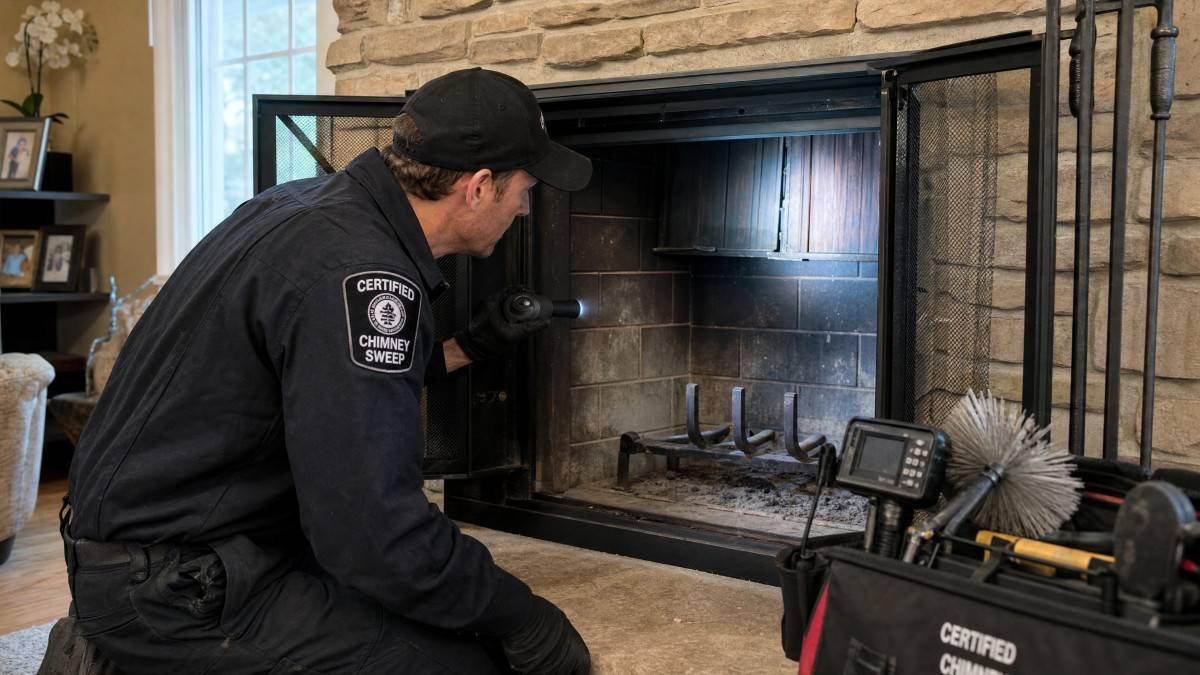
A fireplace inspection involves evaluating several critical components that together ensure the system’s safety and efficiency. Inspectors carefully examine the firebox, damper, smoke chamber, flue liner, chimney exterior, and clearances around combustible materials. Each part requires attention to detail because damage or deterioration in any single element can compromise the entire assembly.
The firebox is checked for cracks in firebrick and mortar as well as any damage to the floor. The damper’s operation and seal integrity are tested to ensure proper airflow control. The smoke chamber’s parging and corbeling are inspected for smoothness and deterioration. The flue liner is scrutinized for cracks, spalling, or obstructions like nests or debris. The chimney exterior, including mortar joints, crown, flashing, and cap, is inspected to prevent water intrusion and animal entry. Finally, clearances between the fireplace and combustible materials are verified to meet safety standards.
Additional attention is often given to the condition of the hearth and the surrounding mantel area. Inspectors assess whether combustible materials near the fireplace meet code-required distances to avoid fire hazards. They may also check for signs of creosote accumulation within the firebox and inspect the integrity of glass doors or screens, if installed. Proper ventilation pathways and the absence of any unusual odors or smoke infiltration into living spaces are also indicators of a well-maintained fireplace system.
In many cases, inspectors utilize specialized tools such as mirrors, flashlights, and even cameras to access hard-to-see areas like the upper chimney and flue interior. This comprehensive approach helps uncover hidden deterioration or blockages caused by animal nests, debris, or soot buildup. Ensuring all components are functioning harmoniously is vital to preventing smoke backdrafts, reducing fire risks, and optimizing heat distribution within the home.
Inspection Levels and Standards
The National Fire Protection Association categorizes fireplace inspections into three levels based on the circumstances and thoroughness required. Level 1 inspections are annual checks performed when no changes have occurred in the system, focusing on accessible areas. Level 2 inspections are more comprehensive, conducted after events such as chimney fires, real estate transactions, or changes in fuel type, often including video scanning of flue interiors.
Level 3 inspections involve examining concealed areas that may require removal of parts of the building structure to access hidden damage. These are conducted only when serious concerns arise during Levels 1 or 2. Adhering to these standards ensures that inspections are appropriate for the condition and history of the fireplace system, addressing potential hazards effectively.
Each inspection level serves a specific purpose in maintaining chimney and fireplace safety. Level 1 inspections are designed as routine maintenance checks to identify obvious issues without invasive methods. Level 2 inspections go beyond the surface, employing advanced diagnostic tools such as chimney cameras to detect fractures, obstructions, or deterioration that are not visible externally. Level 3 inspections are rare but critical when the integrity of concealed components is in question, often involving structural openings to expose hidden damage that could compromise safety.
Following these inspection protocols not only aligns with industry best practices but also supports insurance compliance and real estate transaction requirements. Homeowners benefit from a clear understanding of their fireplace condition through detailed reports that specify any necessary repairs or cleaning. This structured inspection framework helps prioritize maintenance efforts and ensures the fireplace operates safely during use.
Common Defects and Issues Found During Inspections
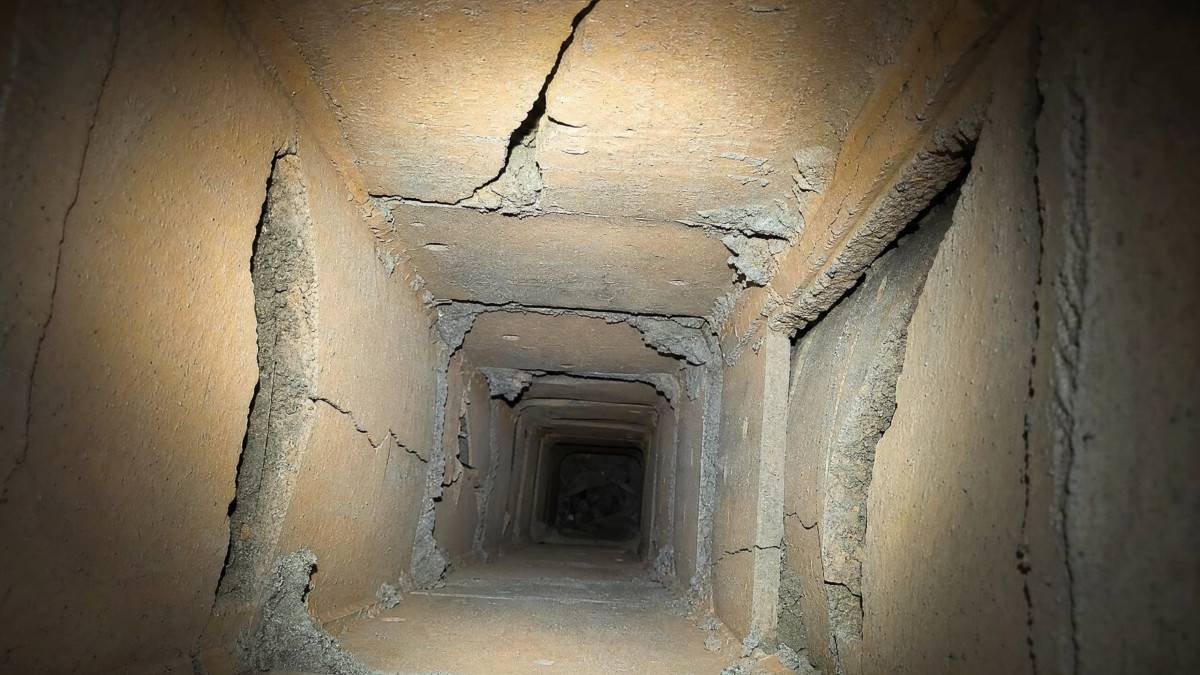
Several defects are frequently discovered during fireplace inspections, each posing different levels of risk. The most serious is a cracked flue liner, which can allow flames and carbon monoxide to escape into the home. Missing or damaged chimney caps permit water infiltration and animal entry, which can cause further damage and obstruction. Deteriorated mortar joints, known as spalling, weaken the structural integrity of the chimney.
Creosote buildup is another common concern. This combustible residue forms in stages, from a light dusting to a hardened, glazed layer that is extremely difficult to remove but highly flammable. Improper clearances to combustible materials and malfunctioning dampers that fail to close fully are also common problems that increase fire risks and reduce heating efficiency.
Additional issues often found include loose or missing bricks, which can compromise chimney stability and create gaps for smoke leakage. Water damage is a prevalent problem due to cracked chimney crowns or faulty flashing, leading to rusted components and accelerated deterioration. Animal nests or blockages inside the flue not only restrict airflow but also increase the risk of smoke backup into the home. Identifying these defects early is essential to prevent costly repairs and maintain safe fireplace operation.
In some cases, improper installation or use of incompatible fuel sources can accelerate wear or create hazardous conditions. For example, burning wet or treated wood increases creosote deposits and smoke production, while gas fireplaces require inspection of venting and gas lines to detect leaks or blockages. Recognizing these potential problems during inspections allows homeowners to adjust usage habits and address mechanical or structural faults promptly.
Fireplace Inspection, Cleaning, and Repairs
Inspection findings often lead to required cleaning and repairs. Removing creosote deposits is essential to reduce fire hazards, especially when buildup reaches stages two or three. Professional cleaning techniques vary depending on the creosote type and accumulation level. Repairs may include relining the flue with stainless steel or cast-in-place liners, which can cost between $2,500 and $7,000 depending on the size and complexity.
Additional repairs might involve repointing mortar joints, replacing or installing chimney caps, and patching cracks in the firebox with refractory mortar. Regular maintenance and timely repairs extend the lifespan of the fireplace system, enhance safety, and improve overall performance.
Cleaning a fireplace and chimney requires specialized tools and expertise to avoid damaging delicate masonry or flue liners. A certified chimney sweep uses brushes, vacuums, and sometimes chemical treatments to remove soot, creosote, and debris safely. In cases where severe damage is identified, such as cracked liners or compromised structural components, professional contractors may recommend partial or full chimney rebuilds. These repairs restore integrity and functionality but can vary significantly in cost depending on the scope of work.
Homeowners should also consider upgrading components during repairs, such as installing stainless steel liners for improved durability or adding chimney caps with mesh screens to prevent animal entry. Effective repairs not only address immediate hazards but also improve the efficiency and longevity of the fireplace system. Following up with regular inspections after repairs ensures that the fixes remain effective and that no new issues have developed over time.
| Repair Type | Description | Typical Cost Range | Purpose |
|---|---|---|---|
| Flue Liner Relining | Installing stainless steel or cast-in-place liner inside damaged flue | 2,500 to 7,000 USD | Prevents heat and gases from escaping, improves safety |
| Masonry Repointing | Repairing deteriorated mortar joints between bricks or stones | 300 to 1,500 USD | Restores chimney structural integrity and weather resistance |
| Chimney Cap Installation | Adding or replacing cap to prevent water, debris, and animals | 150 to 500 USD | Protects chimney from damage and blockages |
| Creosote Cleaning | Professional removal of creosote deposits from flue | 100 to 300 USD | Reduces fire hazard and improves draft |
| Firebox Repair | Fixing cracks or damage in firebrick and refractory mortar | 200 to 1,000 USD | Maintains fire containment and heat resistance |
Fireplace Maintenance and Prevention Tips
Maintaining a fireplace requires consistent care to prevent damage and ensure safe operation. Burning only seasoned hardwood reduces creosote formation by promoting hotter, cleaner fires. Annual inspections and cleanings detect and address issues before they become hazards. Installing a chimney cap prevents water damage and animal intrusion, both of which can cause costly repairs.
Using glass fireplace doors can reduce cold air infiltration and improve heating efficiency. Maintaining proper clearances to combustible materials is essential to avoid fire risk. These preventive measures combined with professional inspections help prolong the life of the fireplace and protect the home environment.
Additional maintenance includes regularly checking the damper for smooth operation and proper sealing, as this controls the airflow and prevents heat loss. Ensuring that the chimney crown is intact and free of cracks keeps water from penetrating the masonry and causing freeze-thaw damage. Homeowners should also avoid burning trash, plastics, or unapproved fuels that can release toxic fumes and damage the fireplace components. Routine debris removal from the firebox and hearth area helps maintain cleanliness and reduces fire hazards.
Seasonal preparation before heavy fireplace use involves clearing any nests, leaves, or blockages around the chimney cap and inspecting the entire exterior for signs of wear or damage. Educating family members about safe fireplace operation and installing carbon monoxide detectors near the fireplace area further enhances household safety. These combined efforts ensure that the fireplace remains a reliable and enjoyable source of warmth.
Frequently Asked Questions About Fireplace Inspections
How often should a fireplace be inspected?
Fireplaces and chimneys should be inspected annually by a certified professional. Regular inspections detect damage, creosote buildup, and other hazards early. Annual checks ensure the system remains safe, efficient, and compliant with safety standards. More frequent inspections may be necessary if the fireplace is used heavily or if there are changes such as a new fuel type or after a chimney fire.
What is a Level 2 fireplace inspection?
A Level 2 inspection is a thorough examination required after events such as chimney fires, real estate transactions, or changes in fuel type. It includes video scanning of the flue interior to detect hidden damage or obstructions, providing a more comprehensive assessment than a Level 1 inspection. This level helps identify issues that are not visible during routine checks and is essential for ensuring safety when major changes occur.
How is creosote removed during cleaning?
Creosote removal depends on its stage. Stage 1 creosote is dusty and easy to clean with brushes. Stages 2 and 3 require professional cleaning using specialized tools, chemicals, or even mechanical scraping to safely remove hardened deposits and reduce fire risk. The process may involve chimney vacuums, rotary brushes, or chemical treatments to break down the buildup without damaging the flue liner.
What is the cost to reline a flue liner?
Relining a flue liner typically costs between 2,500 and 7,000 dollars, depending on chimney size, liner type, and installation complexity. Stainless steel liners are common for durability and safety. This repair prevents dangerous heat and gas leaks into the home and may involve removing parts of the chimney or fireplace to install the new liner properly.
Do gas fireplaces require inspections?
Yes, gas fireplaces also require annual inspections to verify proper venting, gas connections, and operation. These inspections help prevent carbon monoxide buildup and ensure the fireplace functions safely throughout the heating season. Inspectors check for leaks, vent blockages, and the condition of mechanical components to ensure efficient and safe performance.
Conclusion
Fireplace inspections are essential for identifying defects that could compromise safety and performance. Examining key components such as the firebox, damper, smoke chamber, flue liner, and chimney exterior reveals issues ranging from cracks and blockages to creosote buildup. Following national inspection standards ensures that the fireplace system remains reliable and reduces the risk of chimney fires and toxic gas leaks. Regular professional assessments provide valuable insight into the condition of the fireplace and help prioritize necessary maintenance.
Routine cleaning, timely repairs, and preventive practices such as burning seasoned wood and installing chimney caps contribute significantly to the longevity and safety of the fireplace. These efforts minimize fire hazards, improve heating efficiency, and protect both property and occupants. Maintaining an open dialogue with certified inspectors and addressing concerns promptly helps ensure that the fireplace remains a trusted and safe feature of the home for years to come.