
Assessing the condition of windows and doors is essential for maintaining home energy efficiency, security, and overall structural integrity, says Keyrenter Austin, a trusted Round Rock property management company. Windows and doors account for a significant portion of heat loss in a home, with estimates ranging from 20 to 30 percent. Proper evaluation helps identify issues such as air leaks, damaged frames, and broken seals that can compromise performance. Ensuring these elements are in good condition not only conserves energy but also plays a vital role in enhancing indoor comfort throughout the year.
Regular inspections can reveal problems caused by aging materials, weather exposure, or improper installation. By carefully checking frames, seals, hardware, and glass panes, homeowners can determine whether repairs or replacements are necessary. This assessment supports informed decisions that can reduce energy bills and enhance comfort. Beyond the obvious energy savings, addressing problems early can prevent more costly damage such as water infiltration, mold growth, and structural decay.
Understanding how to perform a detailed inspection requires knowledge of common failure points and testing methods. Using tools such as moisture meters and simple tests like the candle draft test allows for accurate detection of issues. Evaluating windows and doors systematically helps maintain their function and prolongs their lifespan. Furthermore, familiarizing oneself with the different materials and technologies used in window and door construction can guide better maintenance choices and improvements that suit specific climates and home designs.
Importance of Assessing Window and Door Condition
Windows and doors significantly influence a home’s energy efficiency, safety, and market value. Heat loss through these openings can account for up to 30 percent of total household heat loss, causing higher energy consumption and discomfort. Properly maintained and well-sealed windows and doors help maintain desired indoor temperatures and reduce heating and cooling costs. Their performance directly impacts how well a home retains warmth during winter and stays cool during summer months.
Beyond energy efficiency, the condition of windows and doors affects security and structural integrity. Damaged frames or malfunctioning locks can compromise safety. Additionally, aging or deteriorated components may allow moisture intrusion, leading to rot or mold issues. Routine condition assessments identify these risks early and allow timely maintenance to protect the home’s investment. Ensuring windows and doors are secure and weather-tight also enhances overall peace of mind for homeowners and tenants alike.
Another important factor is the impact that windows and doors have on a home’s aesthetic and resale value. Well-maintained, modern windows and doors can greatly increase curb appeal and marketability. Conversely, visibly worn or damaged components can detract from a property’s appearance and lead to lower appraisal values. Investing in regular assessments and upkeep helps preserve the home’s appearance and supports long-term financial benefits.
Inspection Steps for Windows and Doors
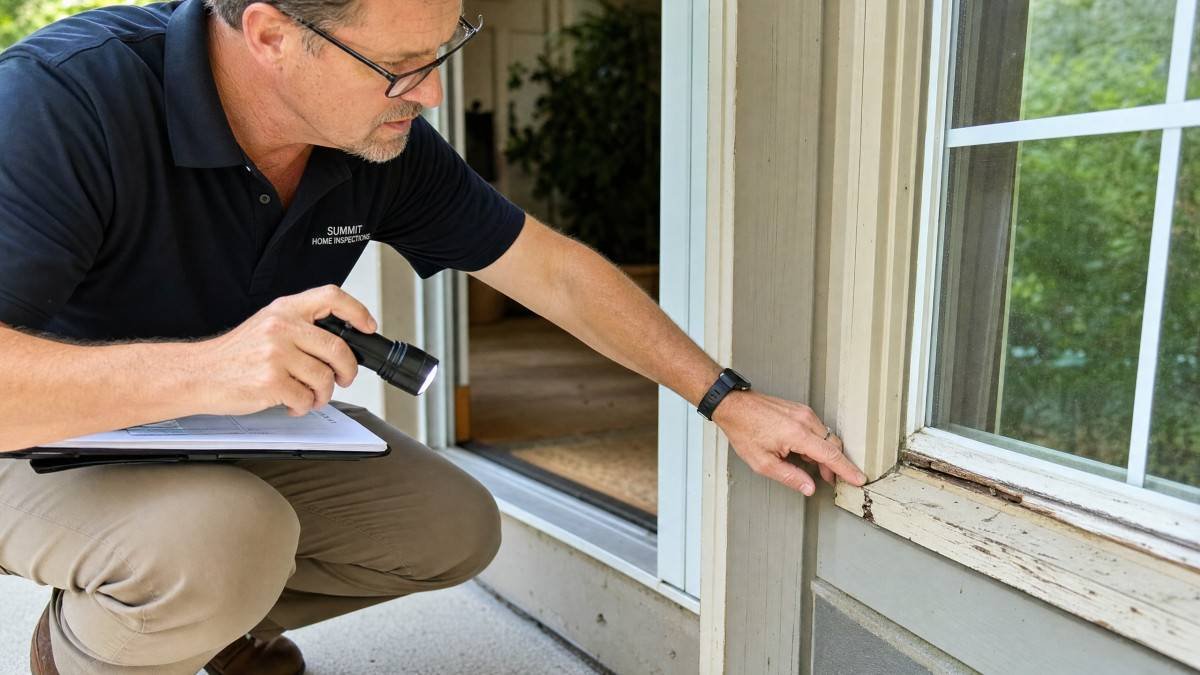
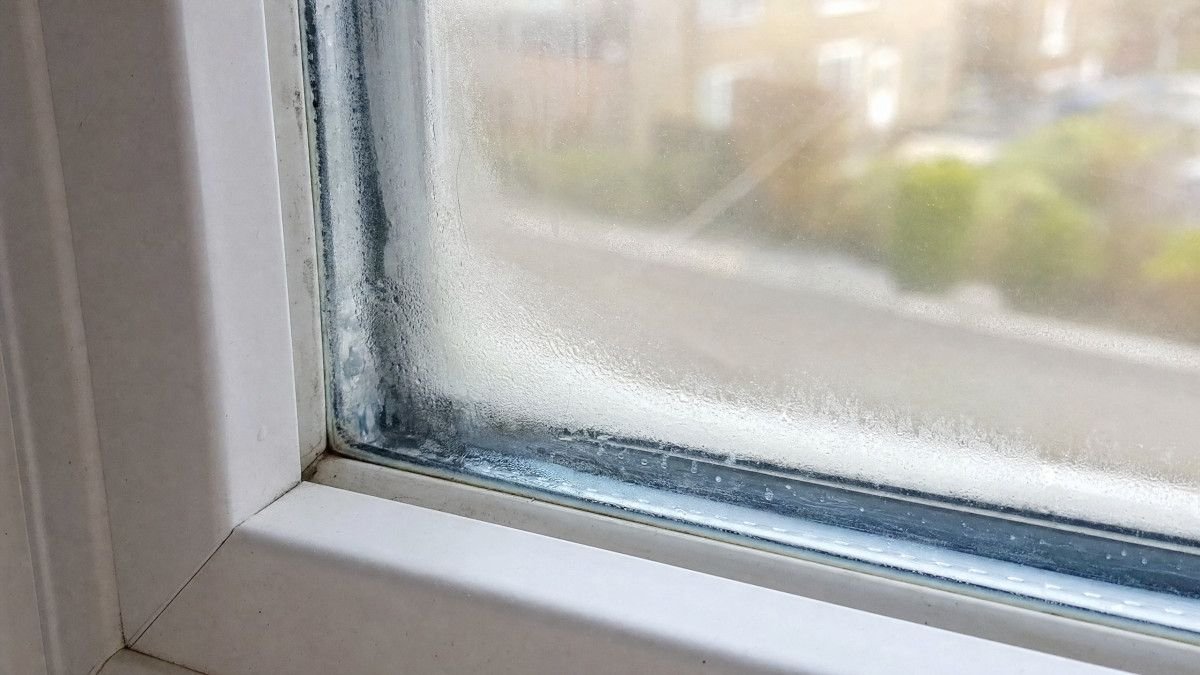
Evaluating windows and doors begins with a thorough visual inspection of frames, glass, hardware, and weatherproofing elements. Checking for cracks, warping, rot, or signs of water damage in frames is critical, as these can indicate structural deterioration. Inspecting glass for fogging or condensation between panes reveals broken seals, which reduce insulation effectiveness. It is important to examine both the interior and exterior sides for any inconsistencies or damage that might not be visible from one perspective alone.
Operational testing ensures that windows and doors open and close smoothly without sticking or gaps that allow air infiltration. Examining weatherstripping and caulking identifies areas where seals have failed or degraded. Additional testing methods include using a moisture meter to detect hidden dampness and performing the candle test by holding a flame near the edges to see if drafts cause flickering, signaling leaks. Checking hardware such as locks, handles, and hinges confirms that they are functioning correctly and securely attached.
Another valuable inspection technique involves checking for alignment and fit. Doors and windows that have shifted due to settling foundations or improper installation may not close properly, resulting in energy loss and security concerns. Using a level or straight edge can help detect unevenness. Evaluating the condition of exterior finishes, such as paint or stain, also provides clues about potential underlying problems, including moisture penetration and material degradation.
Common Causes and Identification of Window and Door Failures
Failures in windows and doors are often the result of several interacting factors including improper installation, prolonged weather exposure, and natural aging of materials. Incorrect installation can lead to misalignment, poor sealing, and premature wear. Exposure to rain, sun, wind, and temperature fluctuations accelerates deterioration of wood, metal, and sealants. The cyclical expansion and contraction caused by temperature changes can exacerbate cracks and gaps over time.
Identifying these failures involves recognizing symptoms such as cracked or peeling paint, warped frames, fogged glass, difficulty in operation, and visible gaps. Broken seals between glass panes cause condensation inside the unit, reducing insulating properties. Weatherstripping that is cracked or missing allows drafts and moisture entry. Locks and latches that fail to engage properly can compromise security. These signs often indicate deeper problems that, if left unaddressed, may worsen and lead to higher repair costs.
Another common cause of failure is moisture damage, which can result from poor flashing, inadequate drainage, or clogged weep holes. Moisture trapped inside frames or sills promotes wood rot, mold growth, and corrosion of metal components. In coastal or humid climates, salt and moisture accelerate material degradation. Identifying such issues early through thorough inspections helps prevent structural damage and health hazards associated with mold and mildew.
Repair and Maintenance Options for Windows and Doors
Repairing windows and doors depends on the extent and type of damage found during inspection. Simple fixes include replacing worn weatherstripping to restore airtight seals and resealing frames with caulk to prevent water infiltration. Fogged glass units require replacement of the insulated glass unit, while sticky doors may need sanding or hinge adjustment to improve operation. Small cracks or chips in glass can sometimes be repaired with specialized kits to avoid full panel replacement.
More severe damage such as rotted frames often necessitates replacement with durable materials like vinyl, fiberglass, or composite frames designed to withstand weathering. Regular maintenance practices such as lubricating hinges, cleaning tracks, and annual inspection of seals help prolong lifespan and prevent costly repairs. Evaluating whether to repair or replace should consider the window or door’s age, condition, and energy performance. Often, upgrading to more energy-efficient models offers long-term savings and improved comfort.
For wooden windows and doors, refinishing and repainting can restore appearance and protect against moisture and UV damage. Repairing minor rot by cutting out affected areas and applying wood hardener and filler can extend service life when caught early. Hardware replacement, such as installing modern locks or handles, can improve security and usability without full unit replacement. Professional consultation may be advisable for complex repairs or historic homes requiring preservation of original materials.
| Material | Durability | Maintenance Needs | Energy Efficiency | Typical Cost |
|---|---|---|---|---|
| Wood | Moderate (prone to rot and warping) | High (requires painting and sealing) | Good (natural insulator) | Moderate to High |
| Vinyl | High (resistant to rot and corrosion) | Low (minimal upkeep) | Very Good (tight seals, low conductivity) | Moderate |
| Fiberglass | Very High (stable and strong) | Low (occasional cleaning) | Excellent (low thermal expansion) | High |
| Aluminum | High (strong but prone to condensation) | Moderate (needs insulation breaks) | Fair (conducts heat easily) | Low to Moderate |
| Composite | High (engineered for durability) | Low (resistant to rot and pests) | Very Good (energy efficient) | High |
Prevention and Regular Maintenance Tips
Preventing window and door failures requires consistent inspection and upkeep. Annual checks of seals and weatherstripping allow early detection of wear or damage before leaks develop. Lubricating hinges and locks keeps hardware functioning smoothly and extends service life. Cleaning tracks and removing debris prevents operational issues in sliding doors and windows. Maintaining proper drainage around openings reduces the risk of water accumulation and damage to surrounding structures.
Proper maintenance also involves addressing minor problems promptly rather than allowing them to worsen. Resealing gaps with caulk and replacing deteriorated weatherstripping reduces drafts and moisture entry. Maintaining exterior finishes protects frames from UV damage and water infiltration. Such proactive care enhances energy efficiency, comfort, and security while preserving the value of the home. Using quality materials and weather-resistant products during repairs can improve durability and reduce future maintenance needs.
Homeowners should also consider seasonal maintenance routines, such as clearing out gutters and downspouts to prevent water overflow near windows and doors. Checking for insect or pest damage, particularly in wooden frames, can prevent structural weakening. Installing storm windows or doors in harsh climates adds an extra layer of protection against weather extremes. Keeping window wells and surrounding landscaping properly graded helps avoid pooling water and soil intrusion.
FAQs About Window and Door Condition Assessment
What Are Energy-Efficient Windows?
Energy-efficient windows typically feature Low-E coatings that reflect infrared heat while allowing visible light. They often have multiple panes separated by inert gas fills such as argon or krypton to reduce thermal transfer. Windows carrying the ENERGY STAR rating meet strict performance standards, helping lower energy bills by reducing heat loss and gain compared to standard windows. These technologies contribute significantly to maintaining consistent indoor temperatures and minimizing reliance on heating and cooling systems.
How Often Should Weatherstripping Be Replaced?
Weatherstripping generally lasts between five to ten years depending on material quality and exposure conditions. Over time, it can become brittle, cracked, or compressed, reducing its effectiveness. Regular annual inspection helps identify when replacement is necessary to maintain tight seals and prevent drafts and moisture infiltration. Using high-quality materials and ensuring proper installation extend the lifespan and improve performance in sealing gaps around windows and doors.
Should I Repair or Replace Damaged Windows or Doors?
The decision depends on the severity of damage and the age of the unit. Minor issues such as cracked seals, worn weatherstripping, or sticky operation can often be repaired economically. Extensive frame rot, persistent leaks, or outdated inefficient windows may warrant replacement to improve performance, security, and appearance. Considering the energy savings and potential increase in home value can justify the investment in new, more efficient units.
Can I Fix a Misaligned Door Myself?
Minor misalignment issues are frequently resolved by adjusting or tightening hinges, which is a manageable DIY task with basic tools. More complex problems involving warped frames or damaged thresholds might require professional assistance. Properly aligned doors improve sealing and ease of use. Taking time to diagnose the cause of misalignment helps ensure repairs are effective and prevent repeated issues.
What Are the Best Frame Materials for Windows and Doors?
Vinyl, fiberglass, and composite frames are among the best options due to their durability, low maintenance, and energy efficiency. Vinyl offers affordability and good insulation, fiberglass provides superior strength and stability, and composite combines materials for enhanced performance. Wood remains a popular choice for aesthetics but requires more upkeep. Selection depends on climate, budget, and desired appearance, with many homeowners opting for materials that balance longevity and energy savings.
Conclusion
Assessing the condition of windows and doors is crucial for maintaining a home’s energy efficiency, security, and overall comfort. A detailed inspection involving visual checks, operational tests, and diagnostic tools can identify common issues such as damaged frames, broken seals, and failing weatherstripping. Timely repairs and proper maintenance significantly extend the lifespan of these components and improve performance. Addressing problems early also prevents more extensive damage that could require costly replacements or renovations.
Preventive care through regular inspection and upkeep reduces energy waste and protects against moisture damage and security risks. Understanding the causes of failure and available repair or replacement options allows homeowners to make informed decisions that preserve the value and functionality of windows and doors. Consistent attention to these critical home elements supports a safer, more efficient living environment and contributes to the overall health and well-being of occupants.