
The heat exchanger in a gas furnace is one of the most critical components within a home’s heating system. It acts as a barrier, separating the dangerous combustion gases generated by burning fuel from the warm air that circulates throughout the living spaces. When this essential metal part develops cracks or fractures, it compromises the safety of the entire system, allowing harmful gases such as carbon monoxide to seep into the home’s air supply. Carbon monoxide is a colorless, odorless gas that can cause severe health issues or even be fatal in high concentrations, making a cracked heat exchanger a serious concern that demands immediate attention.
Detecting a cracked heat exchanger early can prevent dangerous exposure and costly furnace damage. Homeowners should be vigilant about signs that may indicate a problem, including audible alarms from carbon monoxide detectors, unexpected soot or black marks near the furnace, strange odors during heating cycles, and even physical symptoms like headaches or dizziness experienced by those inside the home. Being aware of these warning signs and acting promptly by consulting a qualified HVAC professional can ensure the safety of all occupants and maintain the efficiency and longevity of the heating system.
Once suspicion arises regarding a cracked heat exchanger, professional inspection methods come into play. These range from straightforward visual checks to sophisticated testing using specialized instruments. Among these, the combustion analyzer test stands out as the most reliable, measuring carbon monoxide concentrations within the flue gases to detect leaks. Following confirmation of a crack, the homeowner faces the decision of whether to repair or replace the heat exchanger, often leaning toward replacement due to safety and practical considerations. Regular maintenance and proper furnace operation remain essential strategies to reduce the risk of developing cracks and to extend the service life of the heating system.
Identifying Signs of a Cracked Heat Exchanger
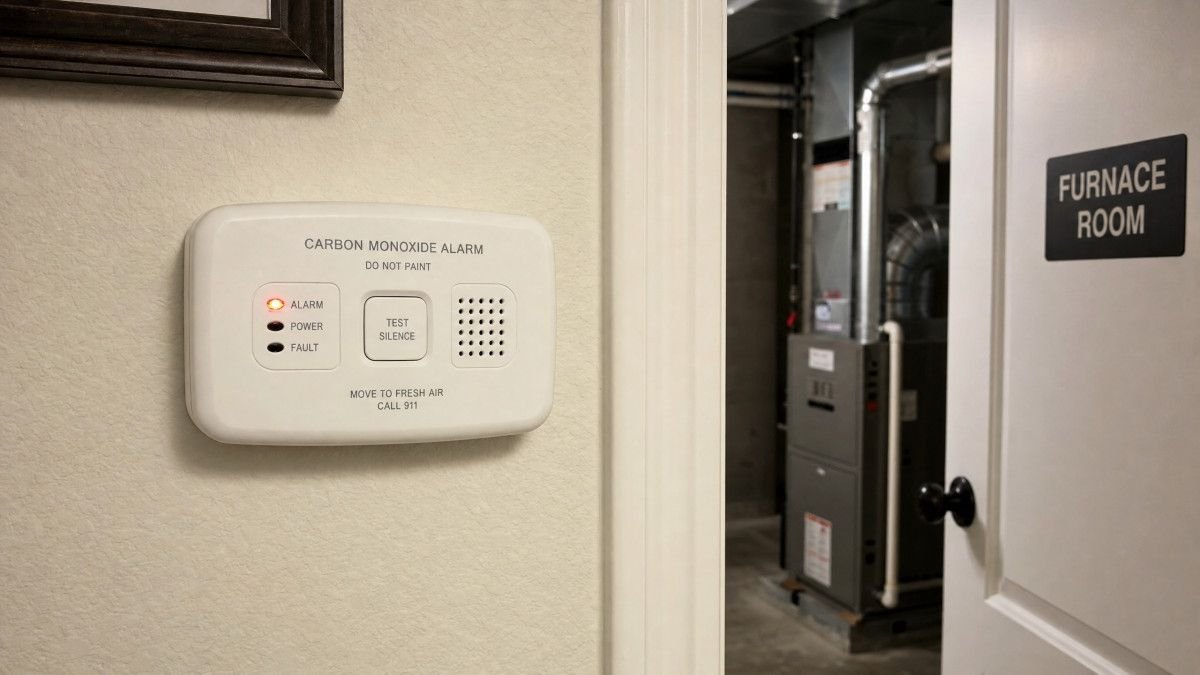
A cracked heat exchanger produces several noticeable indicators that warrant immediate attention. Carbon monoxide detectors sounding alarms is one of the most urgent signs, signaling that this odorless and colorless gas may be leaking into the home. Homeowners might also observe dark soot or black marks on or around the furnace, which indicate combustion gases escaping from the heat exchanger.
Additional clues include an unusual smell when the furnace runs and physical symptoms experienced by occupants such as headaches, nausea, dizziness, or confusion that improve upon leaving the home. Visual inspection might reveal rust, corrosion, or visible cracks on the heat exchanger surface. In some cases, the furnace flame may flicker or roll out in an unusual way, signaling combustion irregularities due to breaches in the heat exchanger.
Other subtle signs may involve the furnace cycling more frequently than usual, as the system struggles to maintain temperature due to inefficiencies caused by the crack. Homeowners might notice that heating bills increase without a corresponding rise in usage, as the furnace works harder to compensate for lost heat. Additionally, unexplained water condensation around the furnace area could indicate that combustion gases are leaking and cooling prematurely outside the heat exchanger, which should prompt a thorough inspection.
Recognizing these signs as early as possible is critical, because prolonged exposure to carbon monoxide or continued operation with a compromised heat exchanger can lead to severe health effects and accelerate damage to the furnace. Regularly monitoring the furnace’s performance and responding to warning symptoms can protect both the occupants and the HVAC system from greater harm.
Inspection Methods for Detecting Cracks
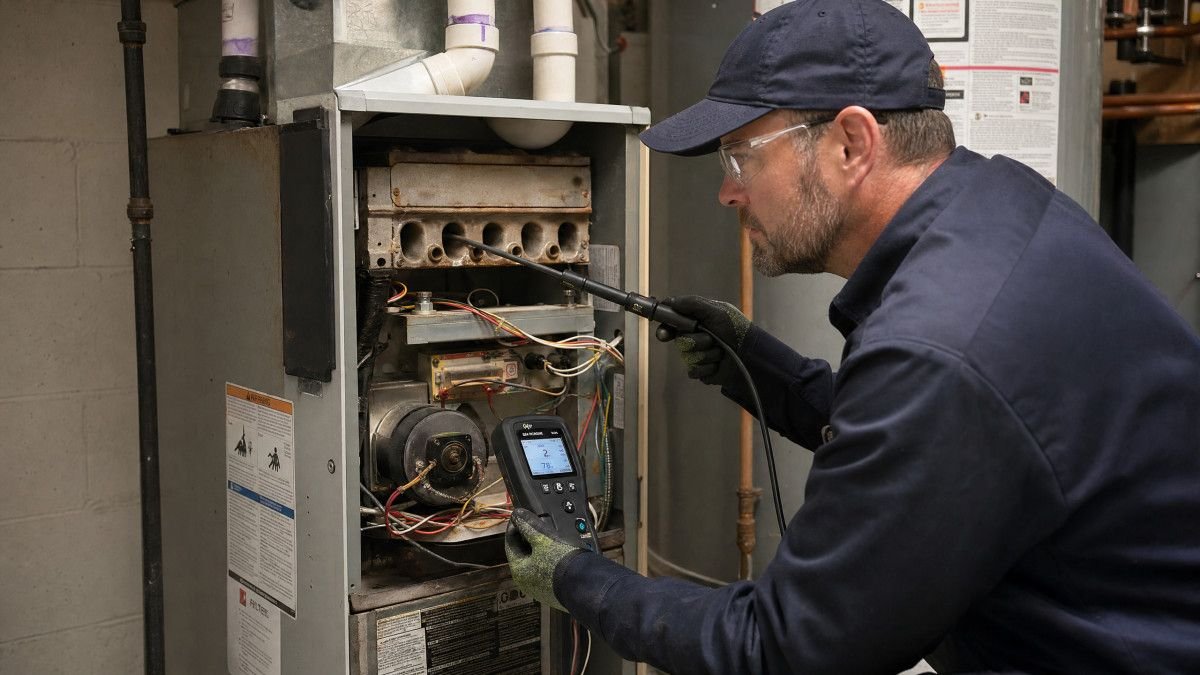
Confirming a cracked heat exchanger requires professional inspection using specialized tools and techniques. The most accurate method is the combustion analyzer test, which measures carbon monoxide concentration in the furnace’s flue gases to detect leaks. HVAC technicians insert the analyzer probe into the heat exchanger flue, providing real-time data on combustion efficiency and safety.
Other inspection approaches include visual examination with mirrors and flashlights to look for rust or cracks, smoke pencil tests that reveal leaks by observing smoke drawn into fissures, and dye tests that highlight breaches when colored fluids seep through cracks. Some technicians also use camera inspections to view the heat exchanger’s interior surfaces for damage not visible externally.
In addition to these methods, pressure testing of the heat exchanger chamber can sometimes be employed to detect leaks. This involves sealing the heat exchanger and applying low air pressure to see if it holds, indicating structural integrity. Technicians may also use ultrasonic testing devices to identify small fractures or thinning metal. While these advanced techniques can supplement visual and combustion analysis, they require specialized training and equipment, emphasizing the importance of relying on qualified HVAC professionals for accurate diagnosis.
Regular inspection of the furnace during scheduled maintenance visits can help catch early signs of heat exchanger damage before cracks fully develop. Documenting inspection results over time also assists in predicting when replacement may become necessary, allowing homeowners to plan and budget accordingly.
Causes of Heat Exchanger Cracks
Heat exchanger cracks commonly result from thermal stress caused by repeated heating and cooling cycles over time. This cyclical expansion and contraction can weaken metal, leading to fractures. Age is a significant factor, as most heat exchangers last between 15 and 20 years before becoming prone to cracking and corrosion.
Additional causes include an oversized furnace that cycles on and off frequently, increasing thermal stress, and restricted airflow due to dirty filters or blocked vents, which can cause overheating. Rust and corrosion from moisture buildup also deteriorate the metal over time, contributing to the formation of cracks and compromising the heat exchanger’s structural integrity.
Another contributing factor is improper installation or manufacturing defects, which can create stress points or thin areas in the metal that are more susceptible to cracking. Environmental conditions such as excessive humidity or exposure to corrosive substances can accelerate deterioration. Furthermore, neglecting routine maintenance, such as failing to clean the furnace interior or replace filters, exacerbates these issues by increasing operational strain and allowing buildup that causes localized overheating.
Understanding these causes helps homeowners and technicians take preventive steps to minimize damage. For example, ensuring the furnace is properly sized for the home’s heating load reduces excessive cycling, while maintaining clean filters and vents promotes optimal airflow and reduces overheating risks. These measures collectively extend the life of the heat exchanger and enhance overall furnace safety.
Repair vs Replace Heat Exchanger
When a cracked heat exchanger is detected, the critical decision is whether to repair or replace it. Repair is generally not feasible because cracks compromise safety by allowing toxic gases to escape. Replacement is typically necessary to restore safe operation. However, the choice between replacing only the heat exchanger or the entire furnace depends on the unit’s age, condition, and cost considerations.
Older furnaces, particularly those over 15 years, often warrant full replacement due to efficiency losses and the potential for other components to fail. New furnaces also offer improved energy performance and safety features. For newer units, replacing just the heat exchanger may be more cost-effective, but labor and part costs can still be substantial.
Choosing to replace the entire furnace may also provide benefits such as enhanced warranties, updated technology including variable-speed blowers and advanced controls, and better environmental performance through higher energy efficiency ratings. Additionally, a new furnace installation often includes modern safety features that older units lack, offering peace of mind to homeowners.
On the other hand, opting to replace only the heat exchanger can be a practical solution when the furnace is relatively new and in good overall condition. This approach reduces upfront costs and downtime but requires careful evaluation to ensure no other critical components are nearing failure. Consulting with experienced HVAC professionals helps homeowners weigh these factors and select the option that aligns best with their safety, budget, and comfort goals.
| Option | Typical Cost Range | Pros | Cons |
|---|---|---|---|
| Heat Exchanger Replacement | $500–$1,500 plus labor | Restores furnace safety, less expensive than full replacement for newer units | Labor-intensive, may not address aging furnace issues |
| Full Furnace Replacement | $2,500–$5,000 | Improved efficiency, updated technology, longer lifespan | Higher upfront cost, requires professional installation |
Prevention and Maintenance
Preventing heat exchanger cracks involves regular furnace maintenance and proper operating conditions. Replacing furnace filters every one to three months ensures adequate airflow, reducing overheating and thermal stress on the heat exchanger. Scheduling annual furnace tune-ups allows technicians to inspect components, clean parts, and detect early signs of damage before cracks develop.
Installing carbon monoxide detectors on every level of the home also adds a critical safety layer, alerting occupants to leaks promptly. Additionally, ensuring the furnace is correctly sized for the home helps prevent excessive cycling and thermal fatigue. These preventive measures increase the longevity and safe operation of the heating system.
Homeowners should also keep the area around the furnace clean and free of dust or debris that can obstruct airflow or cause overheating. Maintaining proper ventilation and ensuring that vents and ducts are unobstructed contribute to the furnace’s efficient operation and reduce the risk of damage to internal components. Promptly addressing any unusual furnace noises or performance issues can prevent minor problems from escalating into heat exchanger damage.
Furthermore, monitoring the furnace’s performance through seasonal changes and adjusting thermostat settings to avoid rapid cycling helps reduce thermal stress. Education about the importance of professional inspections and timely repairs empowers homeowners to take proactive steps in maintaining the health and safety of their heating systems.
FAQ
Can a cracked heat exchanger be repaired?
A cracked heat exchanger cannot be effectively or safely repaired. Because cracks allow toxic combustion gases to escape into the home, replacement of the heat exchanger or the entire furnace is required to restore safe operation. Attempting to patch or weld cracks is not recommended due to safety risks and potential failure. The structural integrity of the metal is compromised, and repairs often do not withstand the high temperatures and pressures inside the furnace.
How is a cracked heat exchanger confirmed?
A cracked heat exchanger is most reliably confirmed through combustion analysis performed by an HVAC technician. Using a combustion analyzer, the technician measures carbon monoxide levels in the furnace’s flue gases to detect leaks. Visual inspections, smoke tests, and dye tests may also assist but are less conclusive without combustion data. The combustion analyzer provides quantitative data that ensures an accurate diagnosis, which is critical for safety decisions.
What are symptoms of carbon monoxide exposure from a cracked heat exchanger?
Symptoms of carbon monoxide exposure include headaches, nausea, dizziness, confusion, and fatigue. These symptoms often improve when leaving the home and worsen with continued exposure. Because carbon monoxide is odorless and colorless, these physical signs combined with detector alarms are critical warnings of a leak. Prolonged exposure can lead to more severe health problems such as loss of consciousness or even death, so early recognition and response are essential.
How much does it cost to replace a heat exchanger?
Replacing a heat exchanger typically costs between 500 and 1,500 dollars for parts, plus labor fees. The total cost can vary depending on the furnace model, accessibility, and labor rates in the area. It is often a significant expense but necessary for safety and furnace functionality. Additional costs may arise if related components require inspection or replacement during the process.
When should a furnace be replaced instead of repaired?
A furnace should be replaced instead of repaired when it is over 15 years old or when the cost of repairing the heat exchanger exceeds half the price of a new furnace. Replacement is recommended to improve safety, efficiency, and to avoid ongoing repair costs on an aging system. Newer furnaces also provide better energy savings and often come with warranties that reduce future expenses.
Conclusion
A cracked heat exchanger presents a significant safety hazard because it allows carbon monoxide and other combustion gases to mix with indoor air. Recognizing signs such as carbon monoxide detector alarms, soot marks around the furnace, and symptoms experienced by occupants is vital for early detection. Confirming the presence of cracks through professional combustion analysis ensures an accurate diagnosis and guides appropriate corrective measures. Addressing the issue swiftly prevents harmful exposure and protects the health of residents.
Replacing the heat exchanger or the entire furnace is often required to restore safe and efficient heating operation, with full furnace replacement typically favored for older systems due to improved efficiency and reliability. Maintaining regular furnace tune-ups, ensuring proper airflow, and installing carbon monoxide detectors throughout the home are essential preventive steps. Responding promptly to warning signs and maintaining a proactive approach to furnace care helps safeguard both the occupants and the heating system for many years.