
Introduction
The Fundamentals of Home Orientation and Solar Paths
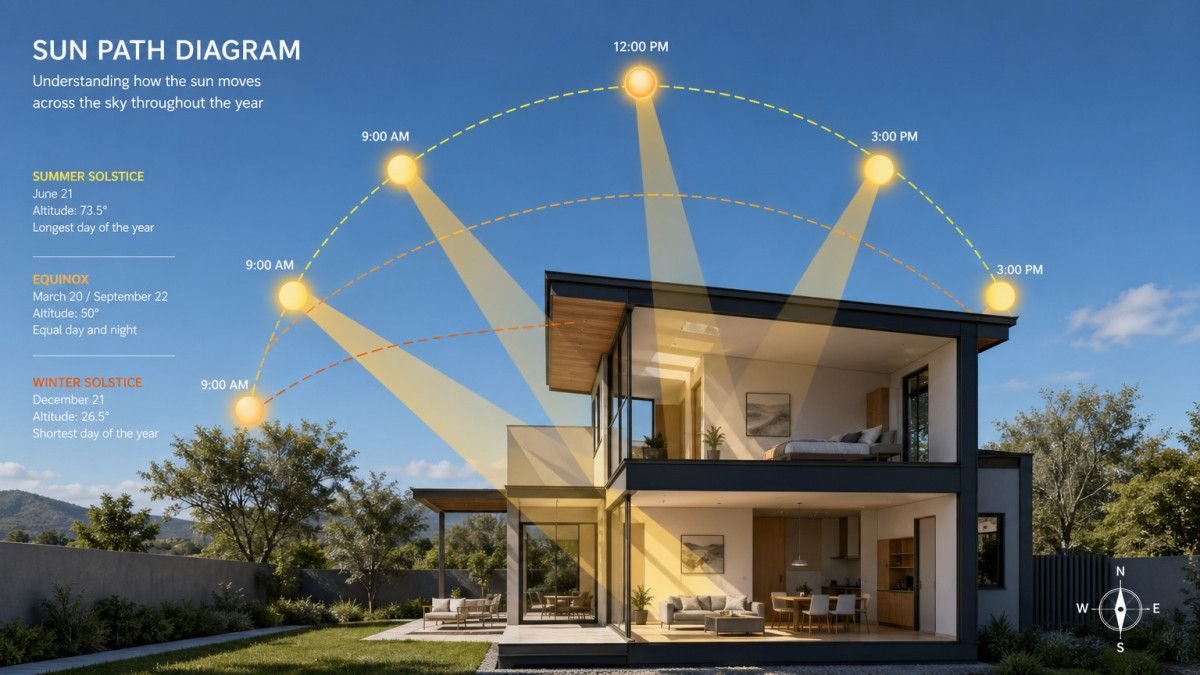
Home orientation is the strategic positioning of a building on its lot to optimize its interaction with the sun, wind, and local climate. According to architectural standards, the goal is to maximize beneficial solar gain during colder months while minimizing excessive heat during the summer. This process begins with understanding the sun’s path, which rises in the east and sets in the west, but varies in altitude depending on the time of year.
In the Northern Hemisphere, the sun remains in the southern sky, reaching its highest point during the summer solstice and its lowest during the winter solstice. This seasonal shift means that a well-oriented home must account for the changing angles of light. Strategic placement of windows and the use of architectural features like eaves or overhangs can help manage these variations. By aligning the longest axis of a home to face south, designers can ensure that the interior receives the most consistent and manageable light throughout the year, laying the foundation for a high-performance living environment.
North-Facing Rooms: Consistency and Glare-Free Light
North-facing rooms are characterized by their ability to provide soft, consistent, and glare-free natural light throughout the day. Unlike other orientations that experience dramatic shifts in brightness, northern exposure offers a stable environment with minimal shadows. This makes north-facing spaces ideal for activities that require precision or long periods of concentration without the interference of direct sunlight or heat fluctuations.
The lack of direct solar radiation in these rooms means they tend to be cooler and may appear slightly darker or more neutral in tone. To optimize these spaces, designers often recommend using lighter paint colors and reflective surfaces to bounce the available light deeper into the room. Because of the steady illumination, north-facing areas are the preferred choice for home offices, art studios, and libraries. These rooms allow for a comfortable working environment where screen glare is virtually non-existent and the color of natural light remains true from morning until evening.
South-Facing Rooms: Maximizing Brightness and Winter Heat
South-facing rooms are widely considered the most desirable spaces in a home due to their ability to capture the maximum amount of natural light and solar warmth. In the Northern Hemisphere, these rooms receive direct sunlight for the majority of the day, creating bright and inviting interiors. This orientation is particularly beneficial during the winter months when the sun is lower in the sky, allowing deep penetration of sunlight that provides natural “passive” heating to the living space.
To manage the abundance of light in south-facing areas, it is important to incorporate design elements that prevent overheating during the summer. Large windows combined with strategic shading, such as deciduous trees or adjustable blinds, can help maintain a comfortable temperature. Because of their vibrant and energetic atmosphere, south-facing orientations are best suited for primary living areas, family rooms, and kitchens. These spaces serve as the heart of the home, benefiting from the cheerful ambiance and reduced need for artificial lighting during daylight hours.
East and West Orientations: Morning Glow vs. Afternoon Intensity
East and west orientations offer distinct lighting experiences that can significantly impact the functionality of different rooms. East-facing rooms are the first to receive natural light, capturing the bright and refreshing morning sun. This makes them ideal for bedrooms and breakfast nooks, where the early light helps to gently wake the inhabitants and start the day with a sense of energy. However, the light in east-facing spaces tends to fade by mid-day, leading to cooler afternoons.
In contrast, west-facing rooms receive the strongest and most intense sunlight during the late afternoon and early evening. While this can provide a beautiful golden glow and stunning sunset views, the low angle of the sun often creates significant glare and can lead to rapid heat buildup. Managing west-facing windows requires effective shading solutions to ensure the space remains comfortable during the peak of the day. Strategically placing dining rooms or evening lounges on the west side can take advantage of the warm atmosphere, provided that the intensity of the light is properly moderated through architectural or interior design interventions.
Impact on Energy Efficiency and Sustainable Living
The orientation of a home is a primary factor in its overall energy performance and long-term sustainability. By aligning a building to work with the sun, homeowners can significantly reduce their dependence on fossil fuels for heating and cooling. Passive solar design utilizes the home’s orientation to collect, store, and distribute solar energy in the form of heat in the winter while rejecting solar heat in the summer. Research from energy efficiency organizations indicates that a well-oriented home can save up to 25 percent on annual utility costs compared to a poorly positioned structure.
Sustainable living is further enhanced when home orientation is integrated with high-quality insulation and thermal mass. Materials like concrete or brick can absorb heat from south-facing windows during the day and release it slowly at night, maintaining a stable indoor temperature. Furthermore, optimizing natural light reduces the demand for electricity, contributing to a lower carbon footprint. This holistic approach to design ensures that the home remains comfortable and cost-effective, aligning modern living standards with environmental responsibility.
Room-by-Room Optimization for Better Mood and Health
The influence of natural light extends beyond aesthetics and energy savings; it plays a crucial role in human physiology and psychological well-being. Exposure to natural light is essential for regulating the body’s circadian rhythms, which govern sleep patterns, hormone release, and overall mood. Studies in environmental psychology have shown that individuals living in homes with ample natural light report higher levels of happiness and lower rates of seasonal affective disorder.
To optimize a home for health, it is important to match room functions with their light profiles. For example, placing a home office in a north-facing room provides the steady light needed for focus, while a south-facing living room offers the brightness that boosts serotonin levels. In bedrooms, east-facing windows can help synchronize the internal clock with the natural day-night cycle. By thoughtfully considering the impact of orientation on daily life, homeowners can create an environment that not only looks beautiful but also actively supports the mental and physical health of everyone in the household.
Common Mistakes in Site Orientation and How to Fix Them
One of the most frequent errors in home design is failing to account for the local environment and seasonal changes. Many homeowners focus solely on the view without considering how the sun’s path will affect the interior comfort throughout the year. For instance, large west-facing windows without proper shading can turn a beautiful living room into an uncomfortably hot space during the summer months. Another common oversight is neglecting the impact of neighboring structures or mature trees, which can block desired sunlight or create unexpected shadows.
Fixing these issues often involves a combination of landscaping and interior modifications. If a room is too dark due to poor orientation, installing skylights or solar tubes can bring in much-needed natural light from above. Conversely, if a room suffers from excessive heat and glare, adding external shading devices like awnings or planting deciduous trees can provide a natural solution that adapts to the seasons. By identifying these challenges early and applying strategic home improvement techniques, it is possible to mitigate the drawbacks of a less-than-ideal orientation and enhance the overall livability of the home.
Frequently Asked Questions
What is the best direction for a house to face for natural light?
In the Northern Hemisphere, a south-facing orientation is generally considered the best for maximizing natural light and solar warmth throughout the day.
Does the direction of the house really matter for energy bills?
Yes, proper orientation can reduce energy costs by up to 25 percent by utilizing passive solar heating in the winter and reducing the need for artificial cooling and lighting.
How can I get more light into a north-facing room?
To brighten a north-facing room, use light-colored paint, place mirrors opposite windows to reflect light, and consider installing a skylight or solar tube.
Is a west-facing house too hot?
West-facing rooms can become very warm in the late afternoon. This can be managed with effective window treatments, external awnings, or strategic landscaping to block the intense low-angle sun.
What is the most energy-efficient orientation for a house?
The most energy-efficient orientation is typically one where the longest axis of the house faces south, allowing for maximum solar control and natural illumination.
How does natural light affect mood?
Natural light helps regulate circadian rhythms and increases serotonin levels, which can improve sleep quality, boost energy levels, and enhance overall happiness.
Conclusion
The impact of home orientation on natural light is a critical consideration that touches every aspect of residential living. From the initial design phase to long-term home improvement strategies, aligning a living space with the sun’s natural path offers profound benefits for energy efficiency, comfort, and personal health. By understanding the unique characteristics of each cardinal direction and implementing thoughtful architectural solutions, homeowners can create environments that are not only sustainable but also deeply nourishing.
As we continue to prioritize eco-friendly and wellness-focused home designs, the role of solar orientation remains a cornerstone of successful architecture. Whether you are building a new custom home or optimizing an existing property, working in harmony with nature ensures that your living space remains bright, welcoming, and efficient for years to come. Ultimately, a well-oriented home is a testament to the power of design to enhance our daily lives through the simple, yet transformative, gift of natural light.