
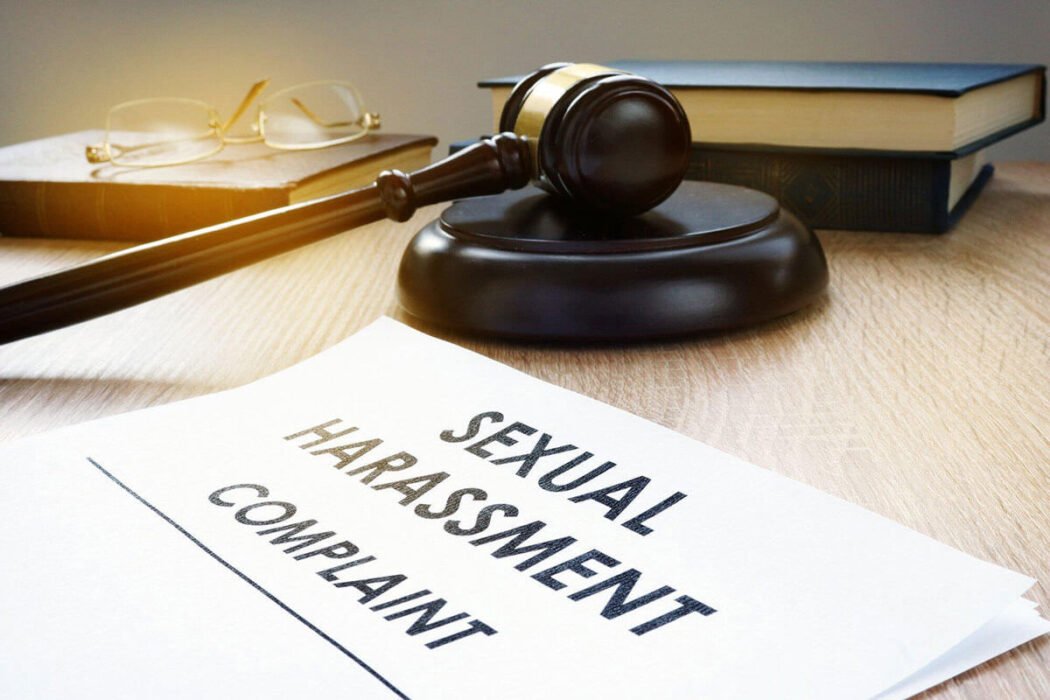
When a sexual assault occurs on business property or during a service, legal responsibility can extend beyond the individual involved. Businesses such as hotels, employers, landlords, and transportation providers often operate under defined safety policies, staffing requirements, and security procedures. After an incident, attention focuses on documented practices, prior complaints, and the handling of known risks.
Business accountability can provide access to records such as surveillance footage, employee logs, and internal reports that are not available in claims against individuals alone. It also introduces measurable standards, including hiring checks, supervision levels, lighting conditions, lock functionality, and response protocols. Clear application of these duties helps define when liability may reasonably include the business.
When Businesses Are Liable
Security cameras, locked entry points, and staffed front desks are safety measures many businesses outline in written policies. Liability arises when these measures are absent, malfunctioning, or not used correctly. Prior incident reports, employee notes, and customer complaints can indicate known risks that were not addressed. Gaps in supervision or understaffing can carry the same weight as physical security failures.
A sexual assault attorney examines policies, training records, and maintenance logs to determine if the business followed its own standards and accepted practices. The analysis focuses on identifying reasonable actions that could have reduced risk, such as addressing repeated complaints or repairing known access issues. Close review of management decisions helps link the incident to preventable operational failures.
High-Risk Business Settings
Rideshare drop-offs, hotel corridors, workplace break areas, and apartment common spaces share a consistent issue: limited oversight during key moments. Late hours, unlocked side entrances, isolated parking areas, and inconsistent staffing create conditions that increase risk. Basic controls can reduce exposure, yet weaknesses in supervision, access management, or reporting systems often undermine stated policies.
Each setting carries duties tied to its use, including driver screening and in-app tools for rideshares, key control and guest monitoring for hotels, workplace reporting systems, and secure locks and lighting in residential properties. When safeguards are ignored or applied inconsistently, patterns begin to indicate operational failures, guiding further legal review and document requests.
Evidence That Strengthens Claims
Surveillance systems may overwrite footage within days, and keycard logs or rideshare data can be lost within similar timeframes. Time-stamped records showing entry points, room access, or pickup locations help establish both the sequence of events and the surrounding security conditions. Photos of broken locks, poor lighting, or missing signage taken soon after the incident provide details that may later be challenged.
Text messages, emails, and app chats created near the time of the incident help confirm timelines and identify who was notified. Witness names remain important, even when observations are limited to earlier activity. Legal counsel can issue preservation requests and obtain records so relevant details remain available during claim review.
Legal Strategies Against Businesses
Internal paperwork often reveals where a company’s protections broke down, including hiring files, training sign-offs, incident reports, and security staffing schedules. A lawyer may focus on whether the business used reasonable screening, checked references, and responded to prior complaints about the same employee, guest, or location. When access controls, lighting, locks, or camera coverage were known problems, those facts can support a claim that the business failed its duty to keep people reasonably safe.
Insurance policies and vendor contracts can affect what the business must produce and who may share responsibility, such as a security contractor or property management company. The legal approach ties the failure to the specific way the assault became possible, like unchecked access to restricted areas or a supervisor ignoring warning signs. Clear timelines and document requests help connect each lapse to the conditions present that day, which influences what accountability could look like going forward.
What Survivors Can Do Now
Notes recorded soon after an assault can improve accuracy, especially when they include dates, times, locations, and identifying details. Save texts, emails, app messages, receipts, and booking confirmations to verify movements and involved parties. Store photos of injuries or locations in a secure, backed-up location to prevent loss. Keeping this information organized supports later review and reduces gaps in documentation.
Direct contact with the business can introduce risk, as statements may be recorded, shared internally, or tied to limiting agreements. Reporting through law enforcement, workplace systems, or property management channels may still be appropriate, but each step should be considered in advance. Legal counsel can manage preservation requests and communication, helping protect available options while decisions are made.
Accountability in sexual assault cases depends on showing that preventable risks were known yet left unaddressed. Clear links between security gaps, poor supervision, or ignored complaints and the conditions of the incident can shape how responsibility is evaluated. Early steps like saving records, noting key details, and protecting evidence help maintain clarity and control. Careful communication choices also matter, especially when dealing with businesses that may document interactions. Legal guidance can bring structure to the process, helping organize facts, assess responsibility, and outline practical next steps based on the specific circumstances involved.