
Renovating your home is exciting. But it can also feel overwhelming, especially when there are so many choices to make and a budget that only stretches so far. The truth is, not every renovation decision carries the same weight. Some choices, if made well, set your home up for years of comfort and real value. Others, if rushed, lead to regret, rework, and costs you never planned for. This guide walks you through the areas that are worth slowing down on and getting right from the start.
Why Some Home Upgrades Matter More Than Others
The Real Cost of Getting It Wrong
It is tempting to move quickly when you are renovating. You want to see results, and the pressure of living in a half-finished home does not help. But rushing decisions, especially around materials and design, often creates problems that cost more to fix than they did to prevent. A floor that peels after two years or a kitchen that feels dated before it is fully paid off, these are not small setbacks. They are expensive ones. Before spending a single dollar, ask yourself: will I still be happy with this choice in ten years?
Focusing on the Spaces You Actually Live In
Not all rooms deserve equal attention. When you are working with a real budget and a real timeline, focus first on the spaces you use every single day. Your floors, your kitchen, your main living areas. These are the spots where quality makes the biggest difference, and where poor choices are felt the most over time. Get these right, and the rest of the renovation tends to fall into place.
The Role of Flooring in a Home That Lasts
What to Think About Before Choosing a Floor Coating
Flooring is one of those decisions that people often underestimate. It covers every room, it takes the most physical wear, and once it is down, changing it is a significant job. Before committing to any floor coating, think carefully about the environment it needs to handle. Is it a garage that sees vehicle traffic and oil spills? A patio with full sun exposure all year round? Different spaces call for different solutions, and matching the product to the environment is what separates a floor that holds up from one that does not.
Performance Features Worth Paying Attention To
When evaluating a floor coating, durability should be your first filter. Look for options that offer strong resistance to abrasion, UV exposure, and chemicals. Low-VOC formulas are also worth seeking out, especially for indoor spaces, since they are better for everyone living in the home. Cure time matters too. A coating that is ready for foot traffic within hours rather than days means far less disruption during your renovation. These are not just nice-to-have features. They are the difference between a floor that looks great for twenty years and one that starts showing wear far too soon. If you want to see what modern coating technology can genuinely offer, take the time to explore polyaspartic flooring solutions and compare them against older options before you decide.
How the Choices You Make in One Room Affect the Next
Thinking About Your Home as a Whole
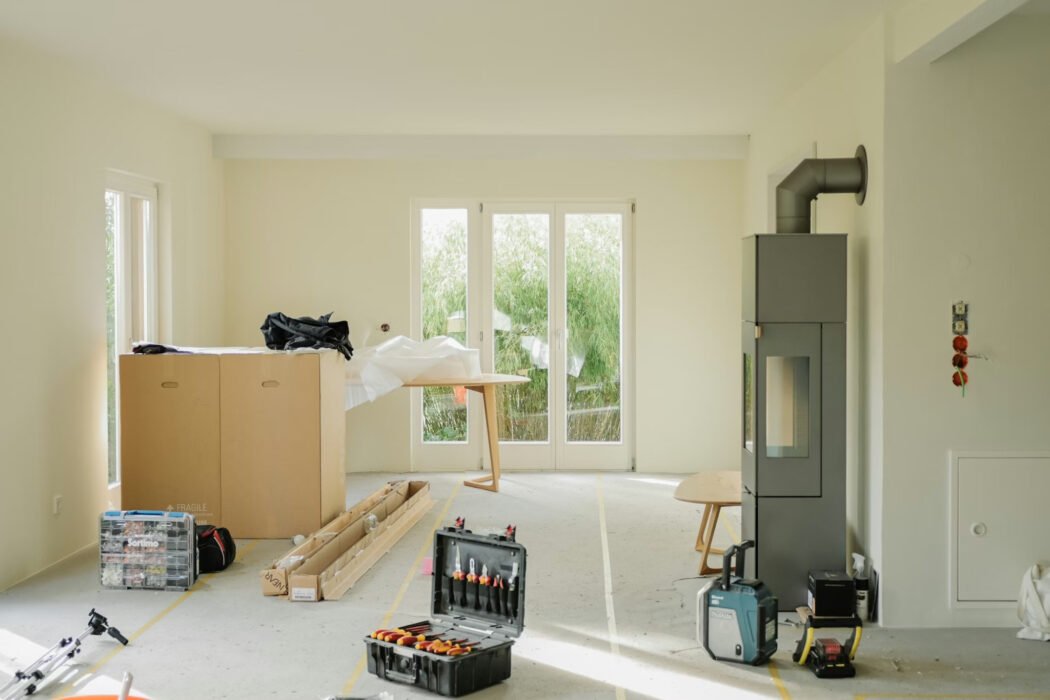
One of the most common mistakes homeowners make is renovating room by room without a clear picture of the bigger whole. You choose a floor finish here, a benchtop there, wall colours somewhere else, and suddenly nothing quite ties together. A well-renovated home feels intentional throughout. That does not mean everything has to match, but the materials, tones, and overall design language across rooms should complement each other naturally. Before finalising any single choice, hold it up against the others. Does this floor finish work with the cabinetry I am planning? Does this benchtop feel consistent with the rest of the home? These are the questions worth asking early.
Choosing Design That Stays Relevant Over Time
Trend-driven renovations have a short shelf life. The bold colour that felt fresh in the first year can feel tired by year three. Timeless design does not mean boring. It means choosing materials, finishes, and proportions that hold their appeal across many years. Neutral palettes, quality craftsmanship, and classic profiles rarely go out of style. And when you are spending serious money on a renovation, that kind of lasting appeal matters a great deal. If you are trying to build in sustainability from the start, it is also worth reading about eco-friendly home renovation materials before making final material selections, as the greenest choices often align closely with the most durable ones.
Renovating the Kitchen With the Long Term in Mind
What Makes a Kitchen Worth the Investment
The kitchen is where most families spend a large portion of their time at home. It is the room that gets used the most and looked at the most. A kitchen renovation done well adds genuine value to your home and your daily life. A kitchen renovation done poorly becomes a daily frustration. The key is balancing a practical layout with material choices that hold up beautifully over time. Think about workflow, storage depth, bench space, and how the room handles natural light. These decisions determine whether a kitchen is truly liveable or just visually appealing.
Style That Works for Everyday Life
A beautiful kitchen should also be easy to live in. That means cabinetry that is genuinely functional, surfaces that are durable, and a design identity that feels warm rather than difficult to maintain. Classic kitchen styles that draw on natural materials, soft colour palettes, detailed cabinetry profiles, and quality joinery tend to deliver on both fronts. They look considered without being fussy, and they age gracefully. If this kind of enduring, well-crafted design approach matches what you have in mind, it is worth taking the time to explore hamptons style kitchens as a useful starting point for your planning.
The Details That Pull Everything Together
Smaller Spaces Deserve the Same Thinking
Bathrooms, laundry rooms, and utility spaces often get treated as afterthoughts. But they are used just as regularly as your main living areas, and a poorly finished secondary space can drag down an otherwise excellent renovation. Apply the same standards here. Prioritise durability, choose materials suited to the specific environment, and never cut corners on waterproofing or ventilation.
Finishes Make a Bigger Impression Than You Might Expect
Tapware, handles, lighting, and trim are small choices individually. But together they define the entire character of a space. Mismatched hardware or cheap finishes can undermine a kitchen or bathroom that otherwise looks genuinely great. Treat these as part of your core design plan, not a final sweep decision made under pressure.
Conclusion
Home renovation is one of the most significant investments you will ever make. And like most significant investments, the biggest returns come from decisions taken seriously early on. Getting your flooring right, thinking carefully about your kitchen, choosing finishes that last, and keeping an eye on the overall cohesion of your home are choices that pay for themselves over time. You do not need to renovate perfectly. But you do need to renovate thoughtfully. Slow down, do the research, and make choices you will still be proud of years from now.
FAQs
Where should I start when planning a home renovation?
Start with the spaces you use every single day. Floors, kitchen, and main living areas should take clear priority. Getting these right creates a solid foundation that the rest of the project can build on.
Is it worth spending more on higher-quality materials?
In most cases, yes. Better materials cost less over time because they last longer, need less maintenance, and rarely require replacing as quickly as cheaper alternatives do.
How do I make sure my renovation feels consistent throughout the whole home?
Decide on a consistent colour palette, material language, and design style before you begin, and use it as a filter for every individual decision. Looking at choices in context of the whole home, rather than in isolation, makes a significant difference.
How long should a well-planned kitchen renovation last before needing updates?
A kitchen renovation that uses quality materials and a timeless design approach can comfortably last fifteen to twenty years without feeling dated or needing significant changes.