
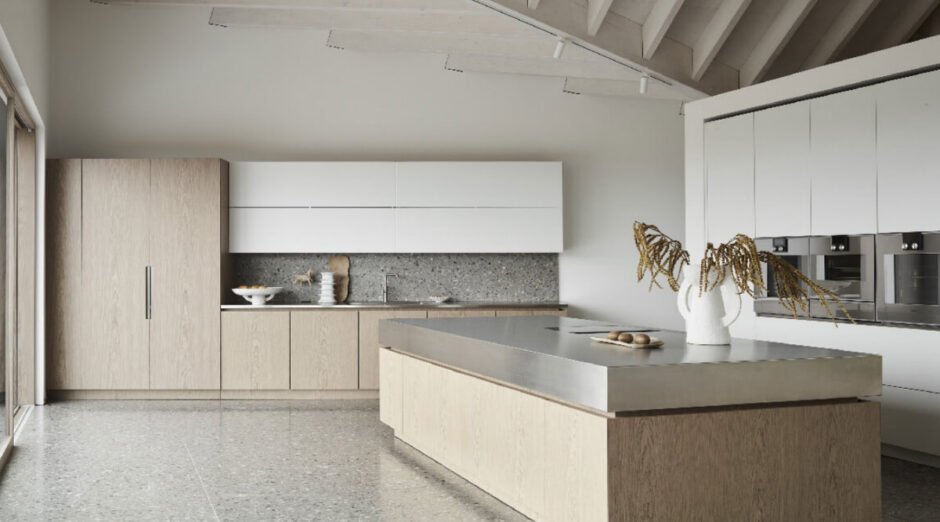
We all have that one spot in our home where life seems to gather. For many of us, it’s the kitchen. It’s where homework happens on the island, where the dog waits patiently for a crumb, and where we desperately try to find a moment of peace while prepping dinner. If your kitchen feels more like a command centre for chaos than a haven, the philosophy of minimalist design might just be your recipe for calm.
It’s not about stark, cold spaces, but about creating an intentional, serene, and effortlessly functional heart for your home. It’s the same principle we apply when we protect our favourite dining chair with a simple, washable chair cover. It’s about smart, beautiful solutions that make daily life flow more smoothly.
Minimalism in the kitchen is a breath of fresh air, especially for busy families. It champions clarity, reduces visual noise, and makes cleaning up those inevitable spills a breeze. The goal isn’t perfection, but a sense of ordered calm that can withstand the beautiful reality of your busy household.
Streamline Cabinets and Storage
Cabinetry is the backbone of a minimalist kitchen. Sleek, handle-free doors or flat-panel designs create a plain visual appeal.
For a better twist, consider integrating appliances behind cabinetry panels to maintain simplicity. Hidden storage solutions like pull-out pantries, corner carousels, or drawer organizers keep surfaces clear while improving functionality. Open shelving can be used sparingly to display essential items or decorative accents.
Stick to neutral tones for dishes, glassware, and storage containers, so the display feels curated rather than chaotic.
Prioritise Functional Layout
Minimalist kitchens thrive on thoughtful workflow. Arrange your sink, stove, and refrigerator in a way that reduces unnecessary movement and keeps prep areas efficient. Choose islands or peninsulas with built-in storage for additional functionality without crowding the space.
Clear countertops and dedicated zones for cooking, prepping, and eating reduce visual clutter and make daily routines easier. Multifunctional furniture, such as a dining table with under-table storage or stools that tuck neatly away, keeps the kitchen adaptable for different tasks.
Choose Subtle Colour Palettes
Muted and subtle tones are central to minimalist design. White, ivory, grey, and soft beige provide a calm backdrop, allowing architectural details, lighting, and textures to shine. Accent colours can be introduced through small appliances, a single piece of decor, or a splashback tile without disrupting the simplicity.
Consistent colour across cabinetry, walls, and flooring helps unify the space and enhances the feeling of openness. For kitchens with lots of natural light, consider slightly warmer neutrals to maintain a welcoming atmosphere while keeping the palette restrained.
Layer in Texture
Minimalist doesn’t mean flat or sterile. Layering materials creates a feeling of depth while keeping things simple. Consider:
- Wood or bamboo cutting boards, shelves, or countertops to bring warmth.
- Matte or textured tiles for backsplashes to create subtle patterns.
- Stone or concrete finishes for durable, understated elegance.
Textured textiles, such as cushioned chair covers, rugs, or hand towels, introduce comfort and maintain a visually calm space. Long-lasting and easy-to-wash fabrics ensure that style meets practicality, especially in kitchens used by kids and pets.
Add Thoughtful Lighting
Lighting defines the mood and highlights the clean lines of a minimalist kitchen. Combine overhead recessed lighting with pendant fixtures above islands or dining areas to create a layered illumination effect. Under-cabinet lighting highlights countertops and adds a soft glow without cluttering surfaces.
Natural light is equally important: large windows, glass doors, or skylights maintain an airy, open feel. This makes the kitchen seem larger and more part of the general living space.
Incorporate Minimalist Accessories
Even in a minimalist kitchen, small details matter. Keep countertops and shelves uncluttered but purposeful:
- Display a single vase or plant for a touch of life.
- Use simple, matching containers for pantry storage.
- Select cookware and utensils that combine form and function.
Every object should have a reason to be visible, reinforcing the “less is more” principle while still allowing personality to shine through.
Maintain Practicality
Minimalist kitchens are most effective when surfaces and layouts make daily upkeep effortless. Durable, wipeable surfaces, stain-resistant materials, and washable fabrics make daily life simpler. Chair covers and other protective textiles allow you to preserve furniture while enjoying a stylish, cohesive look. With practical choices, the kitchen stays organised and inviting, even in busy homes.
Create a Calm, Functional Space
A minimalist kitchen isn’t about removing warmth or personality. It’s about curating a space that supports everyday life with elegance and ease. By focusing on clean lines, cohesive colour schemes, smart storage, layered textures, and thoughtful lighting, you can craft a kitchen that feels open, calm, and stylish.
Minimalism in the kitchen allows every meal, every task, and every gathering to happen effortlessly, proving that less really can be more, especially when practicality and style go hand in hand.