
Whey protein is one of the most popular supplements on the market, and for good reason. It’s a complete protein, highly bioavailable, and extremely versatile. But not all whey powders are the same. When you’re choosing between whey concentrate and whey isolate, understanding their differences can help you make a smarter decision based on your goals, dietary sensitivities, and budget.
In this article, we’ll explore the advantages and drawbacks of both forms, break down how they’re made, and offer guidance on which might be best for you.
What Is Whey Concentrate?
Whey concentrate is the less processed form of whey protein. After milk is separated during cheesemaking, the remaining whey liquid is dried and filtered to retain protein along with small amounts of fat, lactose, and minerals.
Key Characteristics of Whey Concentrate:
- Protein Content: Typically around 70–80% protein by weight.
- Lactose: Contains more lactose than isolates, which can be a concern for those who are sensitive.
- Fat & Carbs: Has more naturally occurring fat and carbohydrates due to its less processed state.
- Cost: Generally more affordable than isolates due to simpler processing.
- Taste & Texture: Often creamier and richer, which many people enjoy in shakes or recipes.
What Is Whey Isolate?
Whey isolate undergoes additional filtration steps to remove more fat, lactose, and carbohydrates, resulting in a powder that is at least 90%+ protein by weight.
A clean, high-quality example is this grass-fed whey isolate protein powder, which uses milk from grass-fed dairy farms and contains no additives or artificial ingredients.
Key Characteristics of Whey Isolate:
- High Protein Purity: More protein per scoop, making it efficient for hitting protein goals.
- Low Lactose: Minimal lactose, making it more tolerable for those with mild lactose sensitivity.
- Fast Absorption: Quickly digested and absorbed, ideal for post-workout recovery.
- Low Fat & Carbs: Very little non-protein content, which can be useful for lean or calorie-controlled diets.
- Price: Typically more expensive due to advanced processing.
Pros and Cons of Whey Concentrate
Pros
- More affordable than whey isolate
- Contains beneficial naturally occurring fats and carbohydrates
- Creamier texture and fuller flavor, great for shakes and recipes
- Less processed than isolate
- Provides a steady release of amino acids
Cons
- Higher lactose content, which may cause digestive discomfort for sensitive individuals
- Slightly lower protein percentage per scoop (typically 70–80%)
- More calories per serving due to extra fat and carbs
- Not ideal for those on very strict macro-controlled diets
Pros and Cons of Whey Isolate
Pros
- Higher protein purity (90%+ per scoop)
- Very low lactose, better for mildly lactose-sensitive individuals
- Lower calories due to minimal fat and carbs
- Rapid absorption, ideal for post-workout recovery
- Clean taste profile and easy mixing
- Excellent for lean muscle goals or tight calorie tracking
Cons
- Typically more expensive due to extra filtration steps
- Less creamy flavor; can be thinner in texture
- Removes some of the naturally occurring beneficial nutrients found in concentrate
- May feel unnecessary for people who tolerate lactose well and are not calorie-restricted
Who Should Choose Whey Concentrate?
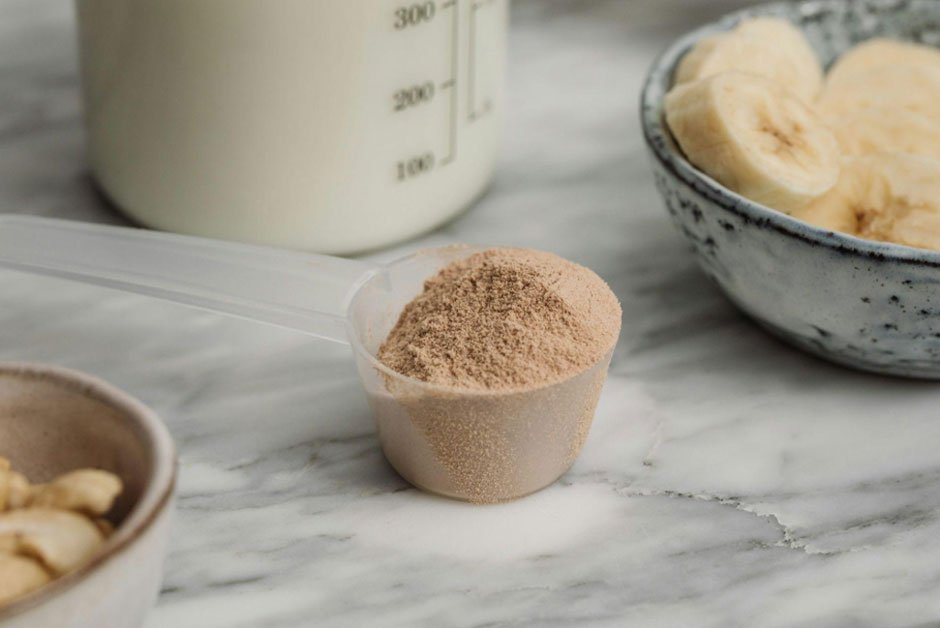
Whey concentrate is an excellent option for many people, especially those who:
- Are not sensitive to lactose: If you tolerate dairy well, the lactose content likely won’t be an issue.
- Bake or cook with protein: The creamier texture and fuller flavour work beautifully in pancakes, muffins, and protein snacks.
- Need a versatile, all-purpose supplement: Whether you’re drinking a shake, blending smoothies, or making protein-rich recipes, concentrate fits the bill.
Who Should Lean Toward Whey Isolate?
Whey isolate may be the better choice if you:
- Experience lactose intolerance: The extra filtration removes most lactose, making it gentler on digestion.
- Have strict macro goals: If you’re carefully tracking protein, carbs, and calories, isolates offer more protein per scoop with less “extra” content.
- Want a fast-absorbing post-workout option: Due to its purity, whey isolate is rapidly digested, helping drive muscle protein synthesis after training.
What the Research Shows
Scientific comparisons consistently show that both whey concentrate and isolate are effective at supporting muscle growth and recovery, so long as your total daily protein intake is sufficient.
In fact, the differences in performance outcomes (strength, body composition) between concentrate and isolate tend to be small when protein intake is matched. That means your choice should reflect your personal digestion, nutrition needs, and budget, not just brand claims.
Practical Tips for Using Either Option

1. Know Your Protein Needs
As a general guideline, active adults or those focused on muscle maintenance benefit from 1.2–1.7 g of protein per kilogram of bodyweight per day. Your supplement can help fill the gap, but it’s only part of your total intake.
2. Use Based on Timing
- Isolate: Excellent immediately post-workout for fast absorption.
- Concentrate: Ideal as a midday or pre–workout shake, or when used in baking.
3. Stay Well Hydrated
Both concentrate and isolate increase the need for water, particularly if you’re drinking protein shakes regularly. Make sure you’re drinking enough fluids throughout the day.
4. Test and Adjust
Try both forms, if possible, and monitor how your body responds. Pay attention to digestion, taste, workout recovery, and fullness. This helps you choose what truly works for you.
Final Thoughts
Choosing between whey concentrate and whey isolate doesn’t require guesswork, it’s about aligning the form with your biology, goals, and lifestyle.
- If you’re looking for a budget-friendly, versatile, and flavour-rich option, whey concentrate is a solid pick.
- If you’re sensitive to lactose, watching macros, or want a purer, fast-absorbing option, whey isolate is a smart investment.
No matter which option you choose, combining it with a balanced diet, consistent training, and proper hydration will help you get the most from your supplement, supporting your strength, recovery, and overall nutrition.