
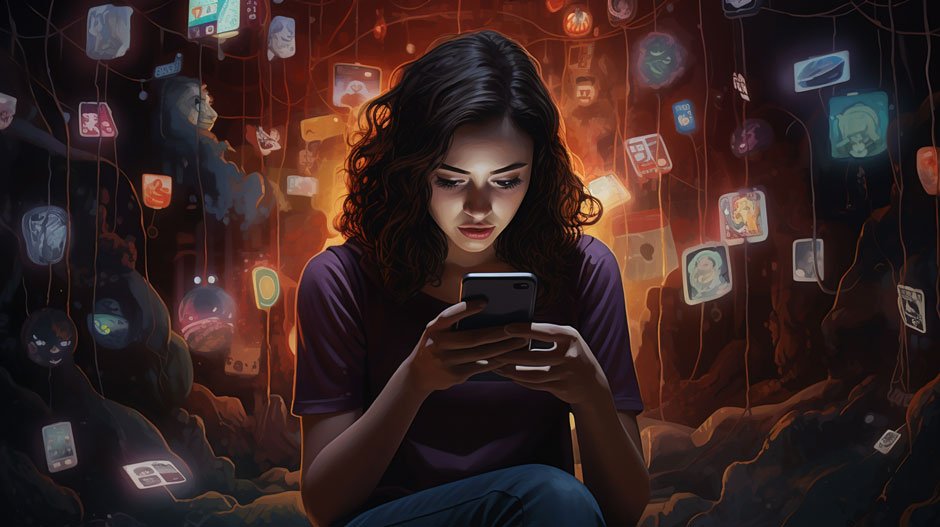
The impact of social media on people’s social connection is both multifaceted and complex. It can nurture community and connection, particularly for those who suffer from social anxiety issues or are geographically isolated. If people use social media, then it increases depression and anxiety and makes them more disconnected and feel lonelier. Additionally, it can also augment their feelings of separateness and isolation from others. Everyone knows that people ought not spend lots of time on a social media platform, as face-to-face communication and in-person communication are categorically better for people’s well-being and mental state.
However, at the same time, people must not forget that social media helps people in getting connected too. When they use it, they can remain connected to their old school friends, share pictures of their achievements, and even wish their coworkers on their birthdays. Most often, these small acts make people feel connected even when they aren’t closer to each other geographically.
A Potentiality for Increased Connection
Social media elevates connection, as it helps people in maintaining relationships across distances and developing new communities who have shared interests. Additionally, it also fosters empathy through different perspectives. A brief overview of the factors in which social media increases connection is mentioned below:
Bridges geographical distances – People using social media can remain connected with their family and friends who live in distant places. This way, it fosters a feeling of belongingness and connection.
Supporting those who suffer from society anxiety and depression – A few people find social media to be less intimidating when they want to communicate with other people and develop relationships. Thus, it eases social anxiety besides permitting them to stay in touch with each other.
Linking with like-minded people – Social media platforms seem important to people, as they can discover platforms based on their hobbies, shared interests, and experiences. These factors help people who feel lonely even in their own communities.
Potentialities for Enhanced Isolation
Social media also increases isolation as it substitutes real-life interactions with some superficial online ones. This way, it fosters an incessant cycle of comparison to unrealistic or idealized portrayals of the lives of other people. Social media also creates feelings of FOMO (fear of missing out) and depression that most often pull a person back to these platforms.
Active participants versus passive consumption – When people scroll too much, it results in a feeling of social comparison and loneliness.
Concentrate on curated content – Most often, social media presents an idealized and filtered variation of reality, and it results in a feeling of envy and inadequacy that finally contributes to loneliness.
Declined face-to-face interaction – When you devote too much time to social media, it replaces your real-life social interactions. This way, it creates a feeling of loneliness and isolation.
Chances of online harassment and cyberbullying – The negative experiences of social media can enhance feelings of anxiety and isolation, especially for the younger generation.
The Final Thoughts
The effect of social media on a person’s life is not monolithic. Social media can turn out to be a nice tool for connection as well as a source of anxiety and isolation too. Its effects are dependent on how people have been using it as well as their situation. When you discover a healthy balance between offline and online interactions, you can maintain your well-being besides nurturing a real social connection.