
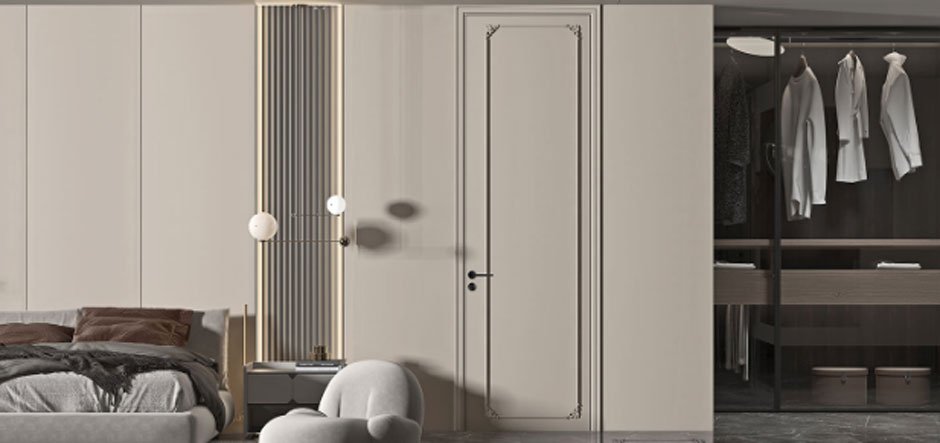
Interior doors and trim elements form a crucial architectural framework within any home, establishing both visual rhythm and stylistic foundation. The relationship between these elements creates either harmony or intentional contrast, significantly impacting the overall aesthetic. The question of whether doors should match trim exactly or create deliberate distinction represents one of the most consequential design decisions homeowners face—one that influences every room and transitional space throughout the home.
The Matching Approach: Creating Architectural Harmony
Matching doors and trim creates a sense of architectural cohesion and traditional elegance:
Visual Continuity Principles
When doors and trim share identical finishes, several design benefits emerge:
- Architectural elements recede, allowing furnishings and art to command attention
- Ceiling height appears maximized through uninterrupted vertical lines
- Visual noise reduces, creating a sense of calm and order
- Space feels more expansive without color breaks interrupting sight lines
- Millwork reads as intentional and architecturally integrated
In my experience working with historic renovations, matching doors and trim in traditional white or cream tones consistently creates an impression of expanded space—particularly in homes with limited square footage or multiple smaller rooms. One client with a 1920s colonial remarked that simply unifying their previously mismatched doors and trim made their rooms feel “as though we’d pushed the walls out by a foot in every direction.”
Traditional and Formal Applications
The matching approach particularly suits certain architectural styles:
- Colonial and Federal homes where historical accuracy suggests unified woodwork
- Formal traditional interiors emphasizing architectural symmetry
- Transitional designs seeking balance between traditional and contemporary elements
- Spaces with elaborate crown molding where simplified door treatments prevent visual competition
- Homes with open floor plans where consistent millwork creates cohesion across spaces
Case studies show that matching approaches tend to age gracefully, maintaining relevance through changing decorative trends precisely because they establish a neutral architectural framework rather than making a specific design statement.
The Contrasting Approach: Creating Architectural Emphasis
Using doors as distinct design elements creates deliberate visual interest:
Strategic Contrast Effects
Contrasting doors against trim creates specific design impacts:
- Doors become architectural features rather than merely functional elements
- Transitions between spaces gain emphasis and importance
- Visual rhythm establishes through repetition of door elements
- Color or material depth adds dimension to otherwise neutral spaces
- Architectural hierarchy develops, guiding the eye through the home
OPPEIN, which specializes in comprehensive interior door systems, has developed specific contrast-oriented collections designed to function as architectural statements while maintaining installation compatibility with various trim styles—an integrated approach that ensures technical success alongside aesthetic impact.
Contemporary and Expressive Applications
Contrasting approaches particularly complement certain design directions:
- Modern and contemporary interiors emphasizing clean lines and material contrasts
- Eclectic designs incorporating varied influences and periods
- Spaces where doors function as room dividers or visual screens
- Homes with minimal architectural detail seeking to add visual interest
- Interiors where doors serve as color strategy elements within a neutral palette
Have you considered how a door’s finish affects not just its immediate surroundings but the entire color flow throughout your home? Doors occupy significant visual space and create repetition throughout interiors—making them powerful tools for distributing accent colors or materials through otherwise neutral environments.
Context Considerations: Factors Influencing the Decision
The optimal relationship between doors and trim depends on several contextual factors:
Architectural Style
The home’s inherent architectural character provides essential guidance:
- Classical and traditional architectures typically favor matching approaches
- Mid-century and contemporary styles often embrace contrast
- Transitional homes can successfully employ either strategy
- Historical properties may have established precedents worth honoring
- Regional architectural traditions often suggest specific treatments
Existing Elements
Existing non-negotiable elements influence compatibility:
- Flooring tones and materials suggesting complementary door finishes
- Cabinet and built-in woodwork establishing wood tone palettes
- Stair systems that must coordinate with both doors and trim
- Historical elements that should be respected in renovation contexts
- Structural features that cannot be easily modified
In my experience renovating homes across various periods, the most successful door and trim strategies acknowledge and respond to these existing elements rather than fighting against them—even when the overall design direction is being significantly updated.
Implementation Approaches: Beyond Simple Matching
The doors/trim relationship extends beyond simple same/different binaries:
Tonal Relationships
Subtle variations create sophisticated relationships:
- Doors in deeper tones from the same color family as trim
- Slight sheen differences between matching colors (matte trim with satin doors)
- Trim slightly lighter than doors to create subtle definition
- Consistent undertones between different colors ensuring harmony
- Varied stain depths on the same wood species creating subtle distinction
Material Variations
Different materials can relate while maintaining distinction:
- Painted trim with stained wood doors in complementary tones
- Wood species variations between doors and trim with coordinated stain colors
- Textural differences (smooth trim with textured door surfaces)
- Contemporary materials like laminate or metal doors with traditional wood trim
- Glass integration creating partial transparency while maintaining trim relationships
A wooden door supplier once shared with me that their most successful projects often featured doors and trim in “conversational” rather than “identical” relationships—where elements clearly related to each other without being exact matches. This approach creates sophisticated visual interest while maintaining overall harmony.
Practical Application Scenarios
Different home types suggest specific approaches:
Historic Homes
Older homes typically benefit from careful consideration of original intentions:
- Research into original finishes and relationships if possible
- Understanding of period-appropriate treatments
- Respect for existing historical elements
- Balance between preservation and contemporary function
- Consideration of architectural significance
New Construction
New homes offer maximum flexibility in establishing relationships:
- Opportunity for whole-house planning before implementation
- Ability to coordinate all wood elements simultaneously
- Freedom to establish either consistent or zone-specific strategies
- Consideration of long-term flexibility as decorative elements change
- Coordination with other building decisions (flooring, cabinetry)
Mixed Architectural Contexts
Homes with additions or mixed architectural periods present unique challenges:
- Decisions about whether to unify disparate areas or acknowledge differences
- Strategic use of transitional spaces to shift between different approaches
- Opportunities to use doors as visual markers between architectural zones
- Consideration of sight lines between spaces with different characters
- Balance between cohesion and authentic expression of different periods
Technical Considerations Beyond Aesthetics
Practical factors influence successful implementation:
Material Compatibility
Different materials accept finishes differently:
- Solid wood doors and trim accepting similar stains and paints
- MDF and composite trim requiring specific paint formulations
- Engineered doors potentially limiting finish options
- Wood species variations affecting color absorption and appearance
- Grain patterns influencing visual consistency in stained applications
Long-Term Maintenance
Different finishes create varied maintenance requirements:
- White and light-colored doors showing wear more quickly around handles
- Dark finishes potentially showing dust more prominently
- Stained finishes often allowing easier touch-up than painted surfaces
- Glossier finishes typically offering better cleanability with reduced touch-up options
- Specialized finishes potentially requiring professional maintenance
The most successful door and trim strategies balance immediate aesthetic goals with long-term performance expectations—a consideration particularly important for families with children, pets, or high-traffic areas where doors experience substantial use.
The Deliberate Choice
Whether doors match trim exactly or create intentional contrast, the most successful implementations share one characteristic: deliberate decision-making. The least effective outcomes typically result not from specific style choices but from unplanned evolution or default selections without consideration of their relationship to the home’s overall design language.
By thoughtfully evaluating architectural context, existing elements, and desired aesthetic impact, homeowners can develop door and trim relationships that enhance their interiors—either through the calm sophistication of perfect matching or the dynamic interest of strategic contrast.