
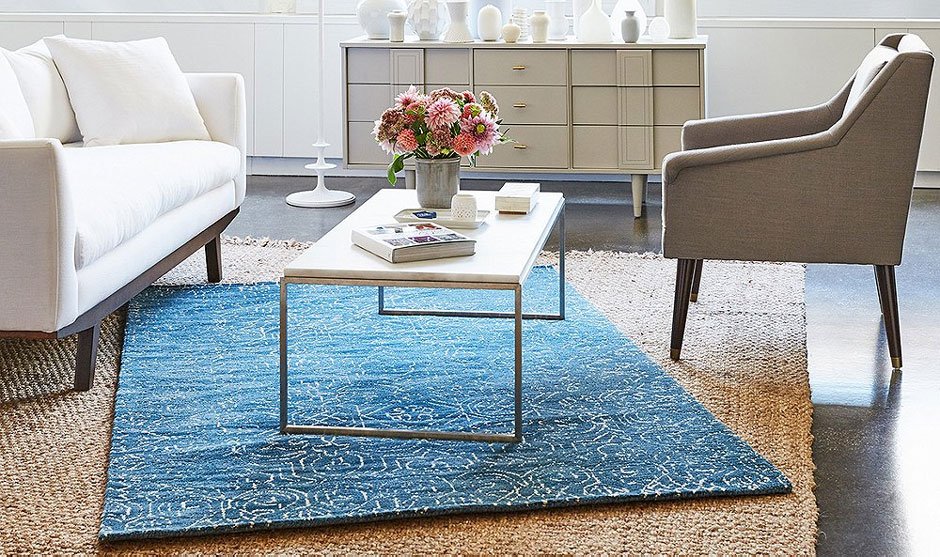
Rug layering has become one of the hottest trends in home décor. When done well, it adds style and personality that a single rug simply can’t achieve. It also defines different areas, making it ideal for open-plan homes or rooms that need a bit more structure.
Designers love this technique because it adds depth and texture without changing a single piece of furniture or a drop of paint. By layering rugs of different sizes, colors, and materials, you too can turn a plain floor into a stylish focal point that looks effortless.
In this article, we’ll show you exactly how to layer rugs like a pro. You’ll get simple, step-by-step tips, inspiring style ideas, and a few common mistakes to watch out for. By the end, you’ll have all the tools you need to make your space look designer-approved, without the designer price tag.
Let’s get started.
Why Layer Rugs?
Layering rugs isn’t just about looks; it’s about creating a space that feels richer and more inviting. Here’s why you should consider it:
- Adds depth and texture: Layering brings extra dimension to your floors. The mix of materials and heights creates visual interest that a single rug often can’t match. It makes the space feel richer and more inviting.
- Defines spaces: Rugs can act like invisible walls in open-plan living rooms or studio apartments. Layering helps separate areas, like a cozy sitting zone from a dining space, while still keeping the room open and connected.
- Seasonal flexibility: Keep one large, neutral base rug all year and switch out the top rug whenever you want a fresh look. Go for light, breathable styles in summer and warm, plush options in winter.
- Personal expression: This is your chance to mix patterns, colors, and textures to create a look that’s uniquely yours. You can be bold, subtle, or anywhere in between.
The Online Flooring Store has a wide range of rugs in different sizes, colors, and materials, making it easy to experiment and find the perfect layered look for your home.
Step-by-Step Guide to Layering Rugs
Layering rugs might look effortless in design magazines, but there’s actually a method behind the magic. Follow these steps to create a look that feels intentional, stylish, and comfortable underfoot.
1. Start with the Right Base Rug
Your base rug is the foundation of your layered look, so choose wisely. Go for a large, neutral, and durable rug that sets the stage without stealing the spotlight. A flatweave or low-pile option works best because it’s stable and won’t cause the top rug to bunch up. Make sure it’s big enough to fit under your main furniture pieces, like a sofa, coffee table, or bed, so the space feels anchored.
2. Choose Your Accent Rug
Once your base rug is in place, it’s time to have some fun. Pick a smaller rug that’s softer, more colorful, or bolder than your base. This is where you can experiment with vibrant patterns, rich textures, or unique shapes. The accent rug is the piece that adds personality and instantly draws the eye, so don’t be afraid to go a little adventurous here.
3. Play with Textures
Texture mixing is one of the secrets to a designer-worthy layered look. Combine different materials for contrast, like rough jute with soft wool, or smooth sisal with fluffy shag. The difference in feel adds richness to the room and makes the layers stand out visually. Walking across a space and feeling those subtle changes under your feet is also satisfying.
4. Experiment with Patterns
To keep your patterns from clashing, follow two simple rules: keep one rug neutral and let the other be bold, and make sure they share at least one color. For example, a bright geometric rug can pop over a solid base, or a floral design can feel grounded over a natural jute rug. These combinations create harmony while still making a statement.
5. Perfect Your Placement
How you place your rugs changes the entire vibe of the room. For a balanced look, center them under a coffee table. If you want something more playful, try angling the top rug diagonally. For a laid-back, casual feel, slightly offset the top rug so it feels like it was placed effortlessly. Each option changes the mood, so play around until it feels right.
6. Secure Your Layers
The last step is about safety and comfort. Use rug pads or double-sided carpet tape to keep the layers from slipping or shifting, especially in homes with kids or pets. This not only prevents accidents but also helps your rugs stay in place so they always look neat.
Designer-Inspired Rug Layering Ideas
You need to find a style that fits your personality and home. Designers often take inspiration from different themes, mixing textures, colors, and patterns to create a look that feels intentional and stylish. Here are four designer-approved ideas you can try:
Bohemian Chic
Create a relaxed, artistic feel by placing a Moroccan-style patterned rug over a neutral jute base. The jute keeps the look grounded, while the bold patterns add energy and character. Go for warm, earthy tones or jewel colors for a vibrant touch. This style works beautifully in living rooms, reading nooks, or any space where you want a cozy, laid-back vibe.
Scandinavian Minimalism
Keep things clean and airy with a white or grey sheepskin layered over a pale flatweave rug. The soft sheepskin adds warmth and comfort, while the light tones keep the space feeling bright and open. Ideal for bedrooms, home offices, or minimalist living rooms where calm and simplicity are key.
Rustic Comfort
Bring a natural, country-inspired look by layering a cowhide rug over a sturdy sisal base. The sisal adds texture, while the cowhide brings organic patterns and warmth. This pairing works perfectly in a cozy living room, cabin-style home, or even under a dining table for a touch of rugged charm.
Modern Glam
Make a bold statement with a metallic-thread rug layered over a deep, plush base. The shimmer of the metallic details adds luxury, while the plush base keeps the look soft and inviting. Best for chic living rooms, statement entryways, or stylish bedrooms where you want a bit of sparkle.
Layering rugs is an easy way to bring designer flair into your home. Whether you love bold bohemian colors or sleek modern tones, there’s a style combination that can transform your floor into a stunning focal point.
Common Mistakes to Avoid When Layering Rugs
A few simple mistakes can take the look from chic to cluttered. Knowing what to avoid will help you get a polished, balanced result every time. Here are some common errors people make when layering:
- Overcrowding the floor: More isn’t always better. Using too many rugs in one space can make it feel cramped and messy. Stick to one base rug and one or two accent rugs so the room feels open and easy to navigate.
- Ignoring size proportions: Size matters when it comes to layering. A tiny rug placed on a huge base rug can look lost, while a rug that’s too large can cover the base entirely and defeat the purpose. Aim for a clear border of the base rug to show on all sides.
- Clashing patterns without a unifying element: Mixing patterns can look amazing, but only when they share a common color or theme. Without that link, the result can feel chaotic and uncoordinated. Always find at least one color or style that ties the rugs together.
- Neglecting maintenance: Layered rugs naturally trap more dust and dirt. If you don’t clean them regularly, the layers can quickly lose their fresh look. Lift the top rug during vacuuming and clean spills immediately.
Avoiding these mistakes will make your layered rugs look intentional, stylish, and well cared for.
Give Your Room More Style
Don’t be afraid to experiment. Try mixing natural fibers with soft wools, bold prints with subtle solids, or even unexpected shapes. Move things around until you find a combination that feels just right. The beauty of rug layering is that it’s flexible, so you can change it up anytime you want a fresh look.
The Online Flooring Store has a wide range of rugs to suit every style and budget. You’ll find everything you need to make your floors look incredible, from timeless neutrals to statement pieces.
The right layering can make your space feel instantly more stylish, and you’ll wonder why you didn’t try it sooner.