
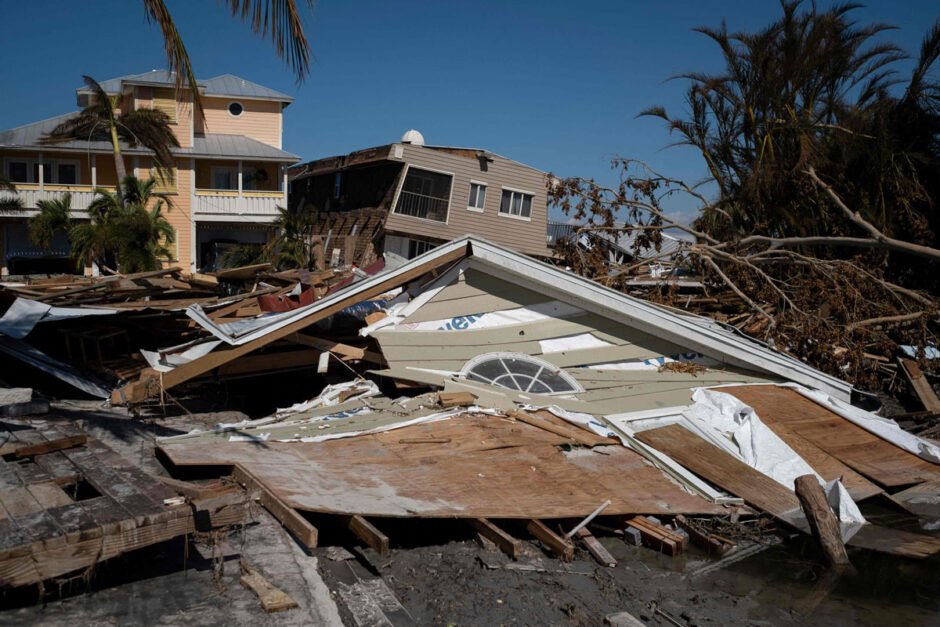
Hurricane categories are often treated as a shorthand for expected damage, but they describe only sustained wind speed. Rainfall, storm surge, size, duration, and pressure changes play major roles in how buildings are affected. When category numbers dominate early reporting and claims discussions, they can overshadow the conditions that actually determine structural and interior loss.
Property damage assessment relies on physical evidence, not storm labels. Photographs, moisture readings, engineering observations, and pre-loss records show where systems failed and why. Examining wind uplift points, water entry paths, and surge effects provides clarity on damage causes and supports claim decisions grounded in documented building performance rather than category assumptions.
Hurricane Categories Measure Wind Speed, Not Total Property Damage
Official storm categories are based on sustained wind readings and do not account for rainfall totals, storm duration, surge height, storm size, or pressure changes. Given that narrow input, adjusters and reporters reference a hurricane’s category early in the claims process, which can create expectations before inspectors document actual building damage.
Absent detailed documentation, claims may be decided on category language rather than observed damage. Timestamped imagery, moisture meter logs, licensed engineer and contractor reports, and historic maintenance records serve as evidence linking specific failure points to storm forces, forming the foundation a hurricane damage lawyer relies on to support accurate repair scopes and challenge undervalued estimates during claim review.
Wind Damage Follows Specific Structural Failure Patterns
High winds create predictable stress at roof edges, corners, ridge lines, vents, and flashing. Uplift forces increase at corners due to pressure differentials, often pulling fasteners, separating membranes, and lifting decking. Field inspections frequently identify missing drip edge, torn underlayment, or displaced cap shingles concentrated along perimeters rather than across entire roof planes.
These patterns help distinguish storm damage from age-related wear. For example, creased shingles aligned with wind direction or fasteners pulled vertically indicate uplift, while uniform granule loss does not. Recognizing these distinctions allows inspectors to isolate storm-related failures and define repair boundaries without expanding scopes beyond affected assemblies.
Rainfall and Storm Duration Drive Interior and System Damage
Roofing membranes, flashing, gutters, and downspouts often fail when heavy rain persists for many hours, allowing water to bypass intended drainage. Slow saturation pushes moisture into insulation, wall cavities, subfloors, and junction boxes, where hidden wetting degrades materials and damages mechanical and electrical systems over time.
Insurance workflows commonly split water loss into narrow categories that separate roof leaks, interior water, and flood loss, which fragments repair scopes and can delay complete restoration. Time-stamped photos, moisture-meter records, contractor notes, and utility shutdown logs help link interior saturation to the storm event; start inspections quickly and keep logs to preserve storm-related claim paths.
Storm Surge Produces Damage Outside Wind-Based Ratings
Rapid incoming water and its flow speed place concentrated lateral loads on exterior walls and foundations. Surge velocity creates impact forces and hydrostatic pressure that push, bend, and displace elements, while floating debris produces blunt-force strikes and punctures. Those mechanisms produce loss patterns—scour at foundations, shifted slabs, and collapsed openings—that wind-speed ratings do not capture.
Site elevation and drainage layout dictate if surge reaches vulnerable components. Grading, floodplain mapping, and outflow paths alter pressure and debris paths with similar winds. Inspectors should separate structural displacement from standing water by checking mud lines, shifted anchor bolts, scour at footings, and misaligned thresholds. Document settlement and lateral movement immediately for claims.
Insurance Claims Are Resolved Through Evidence, Not Category Labels
Claims evaluation depends on measurable damage indicators such as breached roofing components, displaced structural elements, and documented moisture intrusion. Photographs showing lifted shingles, infrared scans identifying wet insulation, and engineering notes describing load paths provide concrete inputs for loss analysis. These materials establish how building systems reacted to specific storm forces.
Well-organized evidence also standardizes claim review. Clear repair scopes supported by measurements and test data reduce subjective interpretation during desk review. This consistency shortens adjustment timelines, limits revision cycles, and allows pricing software and estimating standards to be applied accurately to documented conditions rather than inferred damage severity.
Category numbers provide quick context, but they never capture the full scope of loss a building can sustain. Claims outcomes depend on what can be proven through documentation, including breach locations, moisture levels, and structural movement. Clear photographs, time-stamped logs, engineering input, and pre-loss records connect damage to storm forces. When evidence is organized and gathered early, adjusters evaluate loss mechanisms accurately, align repair scopes with observed conditions, and reduce disputes driven by assumptions tied only to wind-based labels during valuation and review across residential and commercial claims for insurers, contractors, and owners alike nationwide.