
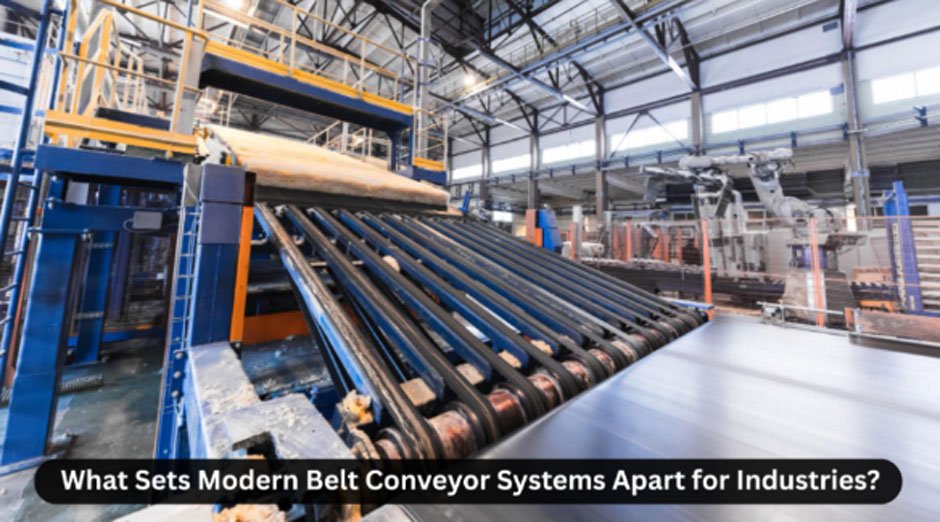
The modern, fast-paced industrial environment makes efficiency, reliability, and flexibility a necessity, not a luxury. One of the many innovations that drives the industrialization in material handling and logistics is the belt conveyor system.
Traditionally, conveyors were considered straightforward mechanisms for moving goods from one point to another. However, they are now very sophisticated technologically and, of course, the primary drivers of smart operations in manufacturing and supply chains.
Modern belt conveyors feature smart sensors, low-energy consumption elements, and a detachable frame, making them suitable for a wide range of industrial applications. Not only are they more efficient and reliable, but they are also environmentally friendly, which enables industries to reduce their carbon footprint.
Such systems are commonly used in e-commerce warehouses, heavy mining plants, and other areas where they must be installed to facilitate smooth operation with minimal downtime.
The transformation raises questions about the differences between modern belt conveyor systems and their importance to future industries. Let’s understand what truly sets the modern conveyor systems apart.
-
Smart Automation and Monitoring
The incorporation of smart automation is one of the most significant developments in conveyor systems in the modern world. In comparison to older models that required human supervision, the new models feature Internet of Things (IoT) sensors that monitor real-time data, including belt speed, load weight, and component wear.
These systems can detect minor problems, such as misalignment or overheating, before they escalate into major issues. This intelligence is further improved with artificial intelligence and machine learning.
It is now possible to have modern belt conveyor systems that predict when maintenance is needed, enabling industries to minimize downtime and avoid expensive interruptions. This type of predictive maintenance will ensure increased productivity and lower the total cost of ownership.
These conveyors provide industries with greater control and peace of mind by behaving as self-aware machines and are essential in the high-demand sectors such as manufacturing and logistics.
-
Energy Efficiency and Sustainability

Sustainability is essential, and modern conveyors achieve it with energy-saving Variable Frequency Drives, regenerative braking systems, and eco-friendly materials, reducing energy use, carbon emissions, and operational costs while boosting long-term efficiency.
Material selection is also enhanced; light- and heavy-duty belts produced using polyurethane (PU) or thermoplastic elastomers (TPE) exhibit lower friction and consume less power.
Most manufacturers are also shifting towards manufacturing environmentally friendly and recycled materials, which do not impact performance. Conveyors contribute to the minimization of operational expenses and carbon emissions, making industries worldwide more environmentally friendly.
-
Enhanced Safety and Worker Ergonomics
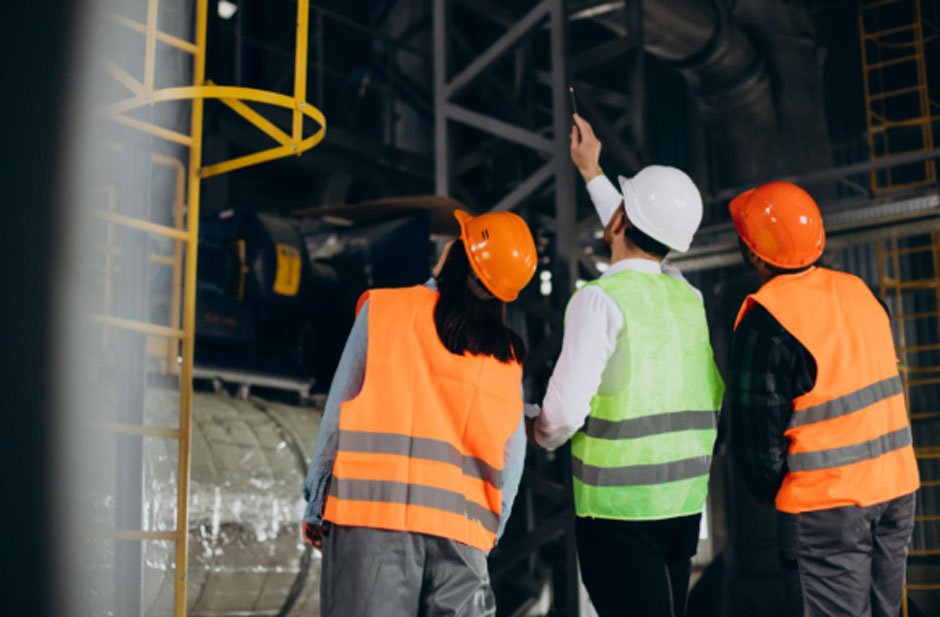
One of the most significant factors in any industry is safety, and existing systems are designed with high levels of protection. They are fitted with emergency stop, safety interlocks, protective covers, and automatic fault detection to prevent accidents.
Intelligent sensors can also automatically detect jam, out-of-position, or overload conditions and decelerate or stop to prevent any damage. It is a proactive activity that lowers the hazards to the workers and safeguards the equipment.
In addition, ergonomic designs reduce the stress on the employee by developing a less heavy-lifting and repetitive process. This makes workplaces safer and more comfortable because employees are in a better position to invest in the monitoring and supervisory tasks than to work in hazardous environments.
-
Digital Connectivity and Industry 4.0 Integration
Modern conveyors are now part of digital ecosystems that extend beyond the factory. They integrate seamlessly with Enterprise Resource Planning (ERP) and Manufacturing Execution Systems (MES).
It enables data-driven decision-making and real-time coordination across production and logistics. For instance, when demand is high, conveyors can automatically adjust speed and routing to handle the workload.
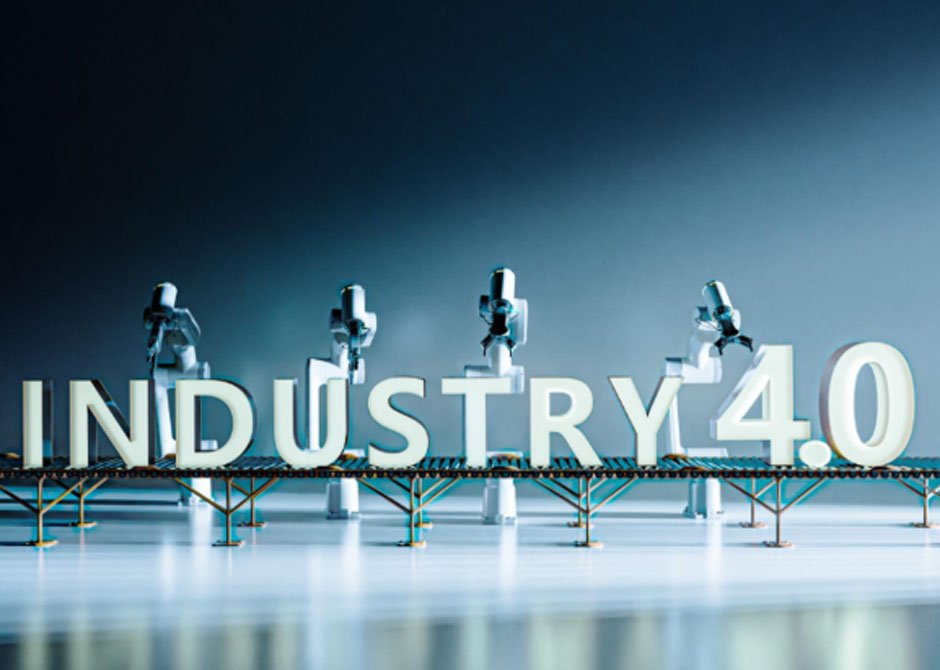
Cloud connectivity allows managers to monitor performance remotely, ensuring greater visibility and control. This level of integration aligns conveyors with industry 4.0 principles, turning them into smart assets that enhance transparency, efficiency, and responsiveness across the entire supply chain.
-
Emerging Innovations: The Future of Conveyor Systems
The present systems are quite impressive, but there is more to come in the future. Scientists are testing magnetic levitation (maglev) systems of conveyor systems that travel without friction using magnetic fields.
This leads to operation at lower noise, faster, and practically maintenance-free. Artificial intelligence will also have a bigger role to play, with conveyors able to learn the working patterns and continually optimize themselves.
Together with renewable energy sources, these innovations would transform conveyors to near total self-sustenance in the coming years. These advances support the point of continuous change of conveyors as a simple means of transport to smart, environmental and high-tech devices.
Bottomline
Modern conveyors are not just machines that transport goods anymore. They are smart, integrated, and sustainable solutions that contribute to more efficient and safe work in industries.
They are relevant in the modern competitive market by addressing evolving needs at a lower cost due to features such as predictive maintenance, integration of robotics, modularity and friendly, environmentally-conscious designs.
With the development of innovations such as automations based on AI and magnetic levitation, conveyors will become even more important. Such systems are not only helpful, but they are essential to industries that seek to succeed in the age of smart manufacturing.