
Lead paint was banned for residential use in the United States in 1978 due to its severe health hazards. Homes constructed before that year often contain layers of lead-based paint beneath newer coatings, posing risks especially when the paint deteriorates or is disturbed. Awareness of these risks is essential for homeowners, tenants, and renovators to prevent lead exposure effectively. The presence of lead paint in older homes continues to present a hidden danger that can affect the well-being of residents if not properly managed.
Approximately 29 million housing units in the U.S. still harbor lead-based paint hazards, with a majority found in older homes. Young children are particularly vulnerable to lead poisoning because their developing nervous systems absorb lead more readily than adults. Exposure to lead dust or chips can cause lasting neurological and behavioral damage, making early identification and management of lead paint risks critical. The impacts of lead poisoning extend beyond childhood, affecting learning abilities, growth, and overall health throughout life.
Understanding the primary sources of lead exposure in pre-1978 homes, the recommended inspection procedures, and appropriate remediation methods can significantly reduce health risks. Maintaining painted surfaces, employing lead-safe renovation practices, and engaging certified professionals for testing and abatement are vital steps in managing lead hazards in older residences. Being proactive and informed about lead paint can protect families from preventable health issues and safeguard property values over time.
Common Sources and Causes of Lead Paint Exposure
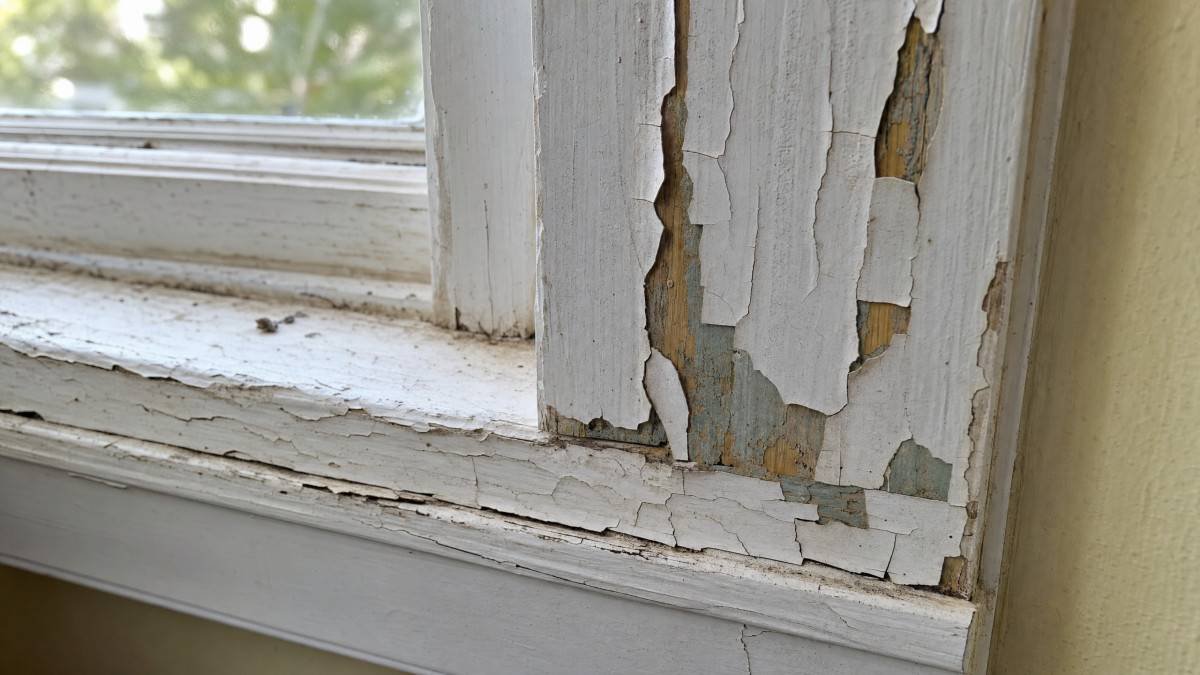
Lead paint in pre-1978 homes commonly deteriorates on high-friction and impact surfaces such as windows, doors, and stairs. As paint ages, it can chip, peel, or create dust that spreads throughout a living space. These deteriorating surfaces are primary exposure points for residents, especially children who may ingest paint chips or inhale lead dust during normal hand-to-mouth behaviors. The risk is compounded in homes where moisture or poor maintenance accelerates paint degradation.
Renovation activities like sanding, scraping, or demolition can disturb lead paint layers and release hazardous dust if not performed using lead-safe work practices. Even minor damage can cause peeling or chipping, further increasing exposure risk. Soil contamination around older homes can also contribute since lead dust settles outside and can be tracked indoors. Understanding these sources is essential for identifying potential hazards and preventing lead exposure effectively. Additionally, household dust generated from friction surfaces such as sliding windows or painted stair rails can accumulate lead particles, creating ongoing exposure risks if not controlled.
Another often overlooked source is painted toys, furniture, or cabinetry that may contain lead-based paint. Over time, wear and tear on these items can release lead dust into living areas. In older neighborhoods, exterior paint on porches and fences may also contain lead, contributing to soil contamination through weathering and chipping. Raising awareness about these less obvious sources helps ensure comprehensive prevention strategies to minimize lead exposure in and around the home.
Inspection and Testing Methods for Lead Paint
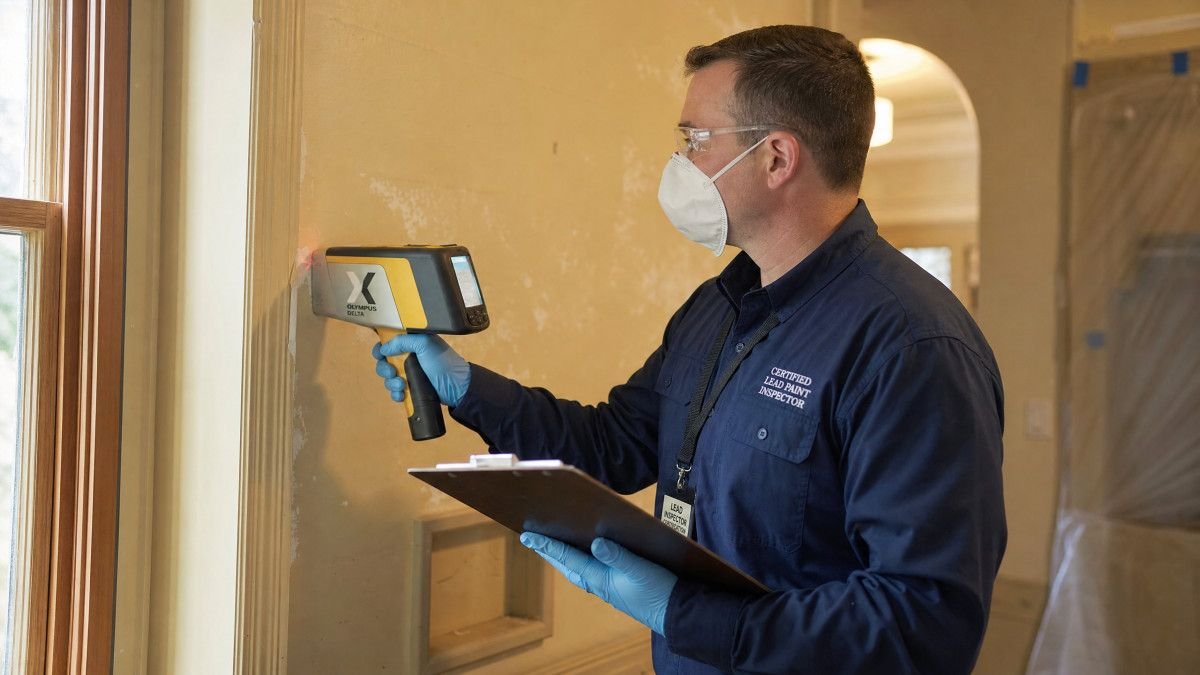
Identifying lead paint hazards reliably requires professional inspection by certified lead inspectors. These experts conduct thorough risk assessments that involve testing dust, paint, and soil samples to detect the presence and severity of lead contamination. Consumer test kits available in stores often provide unreliable or inconclusive results and should not be solely relied upon for safety decisions. Certified inspections also help homeowners prioritize remediation efforts based on risk levels.
Certified inspectors use specialized equipment such as X-ray fluorescence (XRF) analyzers to detect lead in paint layers without damaging surfaces. Risk assessments also evaluate the condition of painted surfaces and the likelihood of lead dust generation. Accurate inspection and testing are fundamental for determining appropriate remediation steps and ensuring that lead hazards are managed safely and effectively. Furthermore, some inspections include clearance testing after remediation to confirm that lead levels have been reduced to safe limits, providing peace of mind for occupants.
In addition to XRF and laboratory testing, visual assessments by trained inspectors play a critical role in identifying peeling, chipping, or damaged paint areas that might pose immediate hazards. Inspectors may also evaluate dust accumulation in commonly touched areas like windowsills and floors to assess contamination levels. Comprehensive testing plans are tailored to the specific conditions of the home, ensuring that all potential lead sources are addressed and that the inspection results inform effective risk management strategies.
Approaches to Remediation and Safe Practices
Remediation strategies for lead paint hazards vary depending on the extent of contamination and paint condition. Encapsulation involves covering lead paint with a specialized coating that prevents dust release and is often used when paint is intact but poses a risk. For severe cases, certified lead abatement professionals may remove or replace lead-painted components, employing rigorous safety standards to prevent exposure during the process. Selecting the appropriate remediation method requires a detailed understanding of the home’s condition and potential lead hazards.
Lead-safe work practices are critical during any repair or renovation in pre-1978 homes. These practices include containing dust, using protective equipment, and cleaning thoroughly with wet methods to reduce airborne particles. Homeowners and contractors should always engage certified professionals trained in EPA-approved procedures to minimize risk and comply with regulations. Training ensures that work does not inadvertently increase lead exposure or spread contamination to unaffected areas.
In some situations, interim controls such as repairing damaged surfaces, replacing windows, or improving ventilation may be recommended to reduce lead hazards temporarily while planning for long-term abatement. Regular monitoring and maintenance of encapsulated or repaired surfaces are necessary to ensure that lead exposure remains minimized over time. Choosing licensed and experienced contractors guarantees adherence to safety protocols and provides documentation that may be required for regulatory compliance or real estate transactions.
Prevention and Maintenance of Lead Paint Hazards
Maintaining painted surfaces in good condition is the most effective way to prevent lead exposure in older homes. Regular inspection for peeling or chipping paint and timely repairs using lead-safe methods reduce dust generation significantly. Wet-cleaning surfaces such as floors, windowsills, and other dust-accumulating areas frequently also helps control lead dust indoors. These preventive measures minimize the likelihood of lead particles becoming airborne or accessible to children and pets.
During renovations, employing certified renovators who follow EPA’s Lead Renovation, Repair and Painting (RRP) Rule ensures that work is done safely and that contamination is minimized. Keeping children and vulnerable individuals away from work zones and ensuring proper cleanup after projects are key components of preventing lead exposure. Consistent maintenance and cautious renovation practices are essential for long-term safety. Homeowners should also consider educating all household members about the risks of lead paint and proper hygiene practices, such as handwashing, to reduce ingestion of lead dust.
Landscaping can also play a role in preventing lead exposure. Covering bare soil with grass or mulch reduces the chance of lead-contaminated dust being tracked indoors. Regularly washing children’s toys and pacifiers that may come into contact with dust or soil further supports prevention efforts. Maintaining a holistic approach that includes both indoor and outdoor environments helps create a healthier living space and reduces the risk of lead poisoning for all occupants.
Comparison of Lead Paint Testing and Remediation Methods
Different testing and remediation methods offer various advantages and limitations. Understanding their characteristics helps homeowners and professionals choose the most suitable approach based on the situation and severity of lead hazards. The table below summarizes key aspects of commonly used methods, highlighting their purposes, benefits, and constraints.
| Method | Purpose | Advantages | Limitations |
|---|---|---|---|
| X-ray Fluorescence (XRF) Testing | Detect lead presence in paint layers | Non-destructive, immediate results, highly accurate | Requires certified technician, equipment cost |
| Certified Risk Assessment | Comprehensive evaluation of dust, paint, soil | Detailed hazard identification, guides remediation | Higher cost, requires specialized personnel |
| Consumer Test Kits | Initial screening for lead paint presence | Affordable, easy to use | Unreliable, false negatives/positives common |
| Encapsulation | Seal lead paint to prevent dust release | Cost-effective, quick application | Only suitable for intact paint, not a permanent solution |
| Certified Lead Abatement | Complete removal or enclosure of lead hazards | Permanent hazard elimination, EPA regulated | Expensive, requires professional contractors |
Frequently Asked Questions About Lead Paint Risks
What are the health risks associated with lead paint exposure?
Exposure to lead paint can cause serious health problems, especially in children. Lead poisoning is linked to lowered IQ, nerve damage, and behavioral issues such as attention deficits and hyperactivity. In adults, exposure may result in cardiovascular problems and kidney damage. Lead is particularly harmful because it accumulates in the body over time, causing chronic health effects. Pregnant women exposed to lead also risk passing the toxin to the fetus, which can result in developmental delays and other complications.
How can I test my home for lead paint?
The most reliable method to test for lead paint involves hiring a certified lead inspector who uses specialized equipment like XRF analyzers. These professionals conduct risk assessments that determine the presence and condition of lead paint. DIY test kits available in stores are not dependable for conclusive results and should not replace professional evaluation. Additionally, certified inspectors provide detailed reports that inform homeowners about necessary remediation steps and compliance with local regulations.
Is it safe to renovate a pre-1978 home if lead paint is present?
Renovation can be safe if performed using lead-safe work practices by EPA-certified renovators. These professionals use containment methods, personal protective equipment, and thorough cleanup protocols to minimize lead dust exposure. Homeowners should avoid disturbing painted surfaces themselves and hire certified contractors to ensure safety during renovation. Improper renovation can increase lead dust hazards, so adherence to safety guidelines is essential to protect both workers and residents.
What should I do if I find peeling paint in my old home?
If peeling or chipping paint is found, the affected area should be isolated to prevent dust spread, and residents should avoid contact. It is important to contact a certified lead professional to evaluate the situation. Attempting to remove or repair deteriorated paint without proper precautions can increase lead exposure risk. Interim measures such as gently wetting the area to reduce dust and avoiding sanding or scraping until professionals arrive are advisable to limit contamination.
How often should I clean my home to prevent lead dust accumulation?
Regular wet-cleaning of floors, windowsills, and other surfaces is essential to reduce lead dust. Cleaning should be done frequently, especially in homes with children or ongoing renovation activities. Using wet mops or cloths minimizes dust dispersal, while dry dusting or sweeping can spread harmful particles into the air. Vacuum cleaners equipped with HEPA filters are recommended for effective removal of lead dust from carpets and upholstery, contributing to a safer indoor environment.
Conclusion
Lead paint hazards remain a significant concern in homes built before 1978 due to the serious health risks they pose, especially to children. Recognizing common sources of lead dust exposure, such as deteriorating paint on windows and doors, is vital for effective risk management. Accurate inspection by certified professionals and careful remediation tailored to the condition of paint can substantially reduce lead exposure and protect occupants’ health. Awareness and vigilance are key to preventing the long-term consequences of lead poisoning.
Preventing lead poisoning involves maintaining painted surfaces in good condition, adopting lead-safe renovation practices, and performing regular wet-cleaning to control dust. Engaging trained professionals for testing, risk assessment, and abatement ensures compliance with safety standards and minimizes hazards. With proper knowledge and precautions, the risks associated with lead paint in older homes can be managed successfully to create a safer living environment. Protecting your household from lead hazards helps foster healthier communities and preserves the integrity of older housing stock.