
Every year, over 380 million tonnes of plastic are produced, and a significant portion ends up as a waste. This is more than 1 tonne of plastic for every person on this planet. This much plastic waste has visible and harsh effects on our natural environment. From the deepest trench to the highest peak, plastic is everywhere. It is a global problem because plastic is a big threat for our wildlife. It is a threat for marine life, birds, and land animals, and not just animals, it is a threat for humans too. This problem feels too big to be tackled, but there is a solution for every problem. One of the biggest reasons for plastic waste is plastic packaging, and the solution for this is eco-friendly packaging.
How plastic harms our wildlife
Plastic waste does not disappear, instead it breaks into smaller and smaller pieces known as microplastics and nanoplastics. These tiny particles are hidden from the naked eye, but they are extremely toxic. On average, a human consumes enough microplastics a week to make a credit card. These are its harmful effects on our wildlife:
Ingestion and Blockages
It is estimated that 90% of all sea birds have plastic in their stomachs. Let’s take Albatrosses for instance, they often consume small plastic items like bottle caps as food. This can block their digestive tract, which can lead to starvation and ultimately death. In one study, it was found that 90% of Laysan Albatross chicks in Hawaii have plastic in their upper digestive tract. Whales and dolphins are also affected by this. Numerous whales are found with guts packed with plastic waste. New research shows that they mistakenly eat plastic as their prey because degraded plastic has very similar acoustic profiles to squid and fish.
Entanglement and Injury
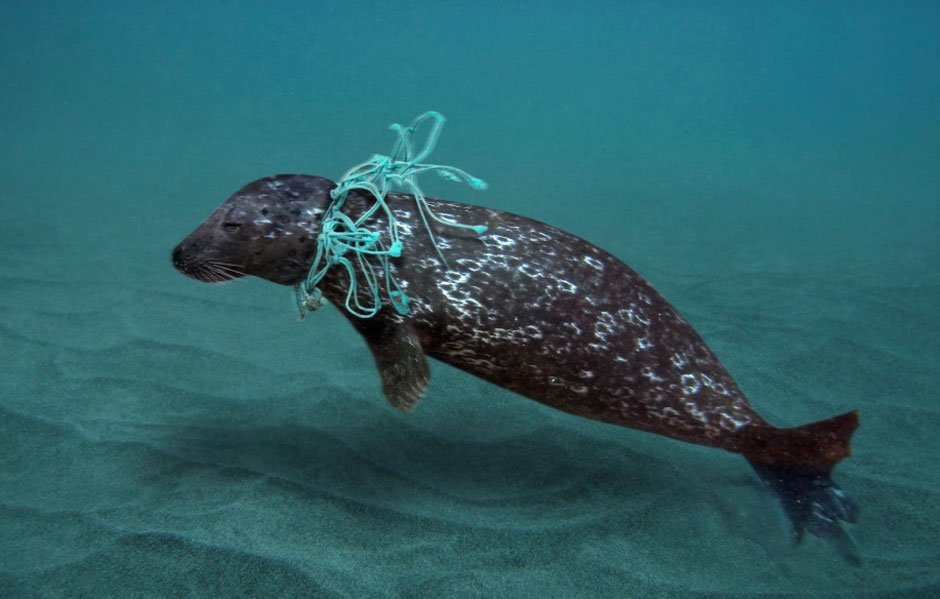
One of the biggest threats of plastic debris is entanglement. This is when animals get caught in things like abandoned fishing nets, ropes, or plastic rings. These types of cases are reported for at least 344 species. This includes all sea turtle species, more than two-thirds of seal species, and one-quarter of seabird species. These species can get strangled, suffocated, or suffer severe injuries due to this.
Toxic Chemicals
Plastic is not just a physical threat, it’s a chemical threat as well. As it breaks down, it releases toxic chemicals as well. Many of these cause damage to the endocrine system. These chemicals can interfere with the hormone system. This can lead to issues like altered sex ratios, impaired reproductive success, and the development of sexual organs in the wrong place. Certain studies show that male fish exposed to certain chemicals can become “feminized”. This can produce vitellogenin, which is a protein only found in female fish.
The solution
The good news is that many brands and consumers are taking action against this issue. They are shifting from plastic packaging to eco-friendly packaging. This is not just a trend, it’s a change.
Circular Economy
Brands are adopting the concept of the circular economy. It is basically based on 3 principles: eliminate waste and pollution, circulate the products and materials, and regenerate nature. Companies like Unilever are working this way. They are committed to making all of their plastic packaging reusable, recyclable, or compostable by 2025. Coca-Cola’s program “World Without Waste” aims to recycle every bottle or can it sells by 2030.
Innovations in Packaging
The eco-friendly packaging industry is progressing day by day. We can find new designs and materials every day. These eco-friendly materials decompose easily. Brands like Lush Cosmetics have even created “naked” products. They have made solid shampoo bars that require no packaging at all.
The Power of Consumer Demand
Studies show that the majority of consumers prefer brands that have eco-friendly products. You should also use products with less packaging or eco-friendly packaging. You can check eco-friendly packaging at Packachange.
Some benefits of recycling
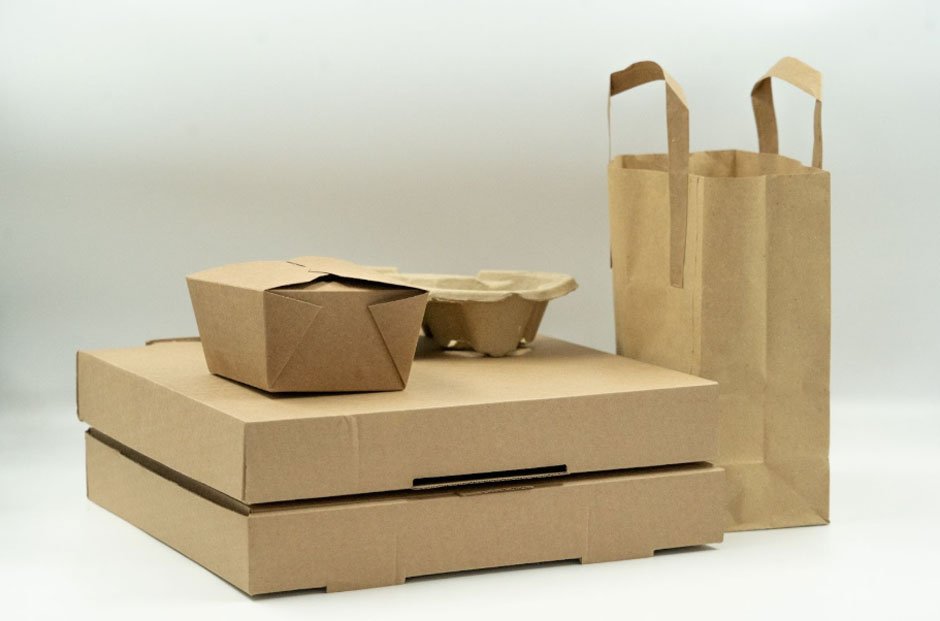
Using recyclable packaging has a lot of benefits. It helps us to tackle major environmental problems.
Reduced Greenhouse Gas Emissions
Manufacturing with recycled materials consumes way less energy than using new and raw materials. For example, recycling aluminum saves 95% energy needed to create new aluminum from bauxite ore. The less energy used, the less fossil fuel will be used. This reduces carbon dioxide emissions from power plants and manufacturing factories.
Conserving Natural Resources
Recycling helps us conserve our natural resources. Extracting and processing of raw materials, such as mining of metals, drilling for oil, or cutting down forests, releases huge amounts of carbon dioxide. By recycling, we can reduce all this.
Less Waste
When waste materials like paper or food scraps end up in landfills, they decompose to release methane gas, which can cause the greenhouse effect. By recycling, we can prevent this harmful gas from being released. You can also check eco-friendly kraft paper bags here.
Evolving Policies & Regulations
Governments all around the world are also recognizing this problem. They are introducing new policies and regulations to tackle plastic pollution on a larger scale.
Extended Producer Responsibility (EPR)
Many countries are adopting EPR policies. This holds the producers accountable for the entire lifecycle of their products and packaging. It encourages companies to design products that are easier to recycle.
International Treaties
There is a global push to legally end plastic pollution. This aims to create a shared framework for all nations to follow. This kind of cross-sector collaboration between businesses, governments, and NGOs is crucial for a greater impact.
Conclusion
Plastic pollution is a massive problem nowadays. Both our actions, as individuals and as a society, matter a lot. Every right choice we make has a major impact. It contributes to a future safe for wildlife.
Recyclable packaging is not just a trend. It is a direct action we can take. It helps to stop plastic pollution. It protects our wildlife a lot. It reduces the amount of toxic chemicals in our oceans. Let’s together make the right choices for nature