
Bottled water has become a deeply rooted part of daily life in the United States. From office meetings to children’s sports events and airport terminals, disposable plastic bottles are everywhere. Beyond the simple act of hydration, bottled water carries a heavy environmental burden, one that is largely hidden from public view.
To explore this issue with authoritative insight, this article draws on the expertise of Dr. Jonathan Doyle, a leading water-quality expert with over 20 years of research experience in water treatment.. His work has contributed to science-based evaluations of drinking-water systems used across the country.
This article examines the real environmental cost of bottled water, why its reputation for safety is often misunderstood, and what sustainable alternatives you can confidently turn to instead.
Why Is Bottled Water Harmful to the Environment?
The environmental impact of bottled water begins long before a bottle reaches a store shelf. The process touches every stage of resource extraction, manufacturing, transportation, and disposal.
Plastic Production Requires Massive Fossil Fuel Consumption
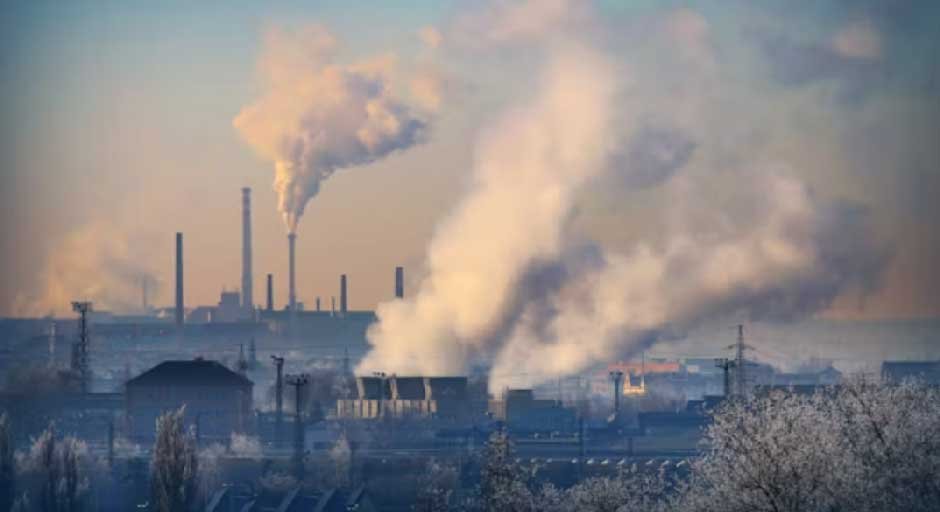
A typical single-use bottle is made from PET (polyethylene terephthalate), a plastic derived from petroleum. Extracting oil, refining it, and producing plastic resin require significant energy and generate pollution that contributes to air quality issues and climate change.
According to assessments commonly cited by environmental agencies, producing a single plastic water bottle can require up to three times the amount of water contained in the bottle itself. This makes bottled water particularly wasteful compared to other beverage packaging.
Transportation Adds a Large Carbon Footprint
Bottled water is often transported hundreds or even thousands of miles, depending on the brand. Shipping trucks, cargo ships, and distribution centers burn fossil fuels, contributing to greenhouse gas emissions.
In contrast, tap water is delivered through existing infrastructure with minimal carbon output.
Plastic Waste Overwhelms Landfills and Oceans
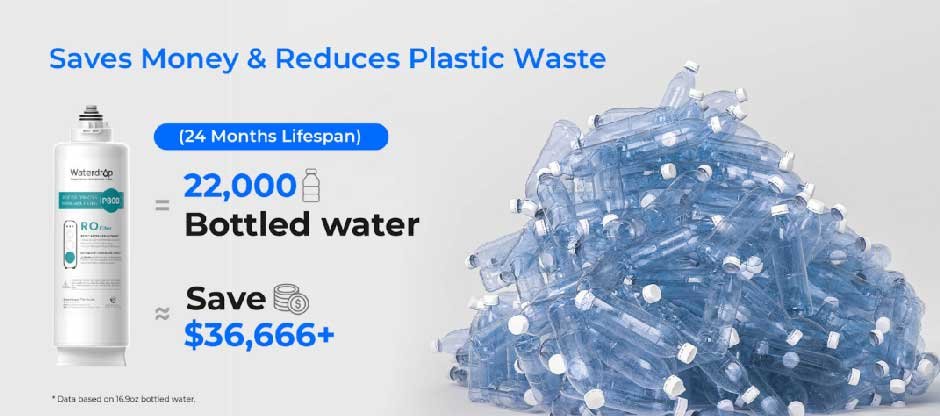
Even though many Americans recycle, the reality is that only a fraction of plastic water bottles actually end up being recycled. The U.S. Environmental Protection Agency estimates that the majority are thrown away, adding to landfills or breaking into microplastics in oceans, streams, and soil.
Once plastic breaks down into microplastics, it becomes nearly impossible to remove from the environment. Microplastics have been found in marine life, drinking water, and even the human bloodstream.
This “invisible pollution” is one of the most concerning aspects of bottled water usage—and one reason experts argue for urgent change.
Is Bottled Water Really Safer Than Tap Water?
Many Americans choose bottled water because they believe it is safer than tap water. But this assumption is not always accurate.
Dr. Jonathan Doyle explains: “Many people assume bottled water is cleaner simply because it comes in a sealed container. In reality, municipal tap water is often tested more frequently and held to stricter public reporting standards.”
Municipal tap water is highly regulated under the Safe Drinking Water Act, while bottled water is classified as a packaged food product under FDA rules.
This means bottlers test less frequently and are not required to provide the same transparency as public water systems.
However, options like Waterdrop’s RO water systems also reduce the reliance on single-use plastics, making them environmentally responsible choices.
When Bottled Water Might Contain Contaminants
Testing from Dr. Doyle’s certified water laboratory in Texas has found that bottled water can sometimes contain:
- Microplastic particles
- Industrial chemicals
- PFAS compounds
- Disinfection by-products
- Bacterial contamination from inadequate sanitation
While most bottled water sold in the U.S. is not dangerous, it is far from immune to contamination. The sealed bottle does not guarantee purity.
What Are the Best Sustainable Alternatives to Bottled Water?
Fortunately, there are many practical and sustainable alternatives that Americans can adopt without sacrificing water quality or taste. The goal is to maintain safe drinking water while reducing the environmental footprint.
1. Home Water Filtration Systems
Filtering tap water at home is one of the easiest and most impactful steps. A high-quality filtration system can reduce or remove:
- Chlorine and chloramine
- Lead
- PFAS compounds
- Microplastics
- Pesticides
- VOCs
- Heavy metals
- Bad tastes and odors
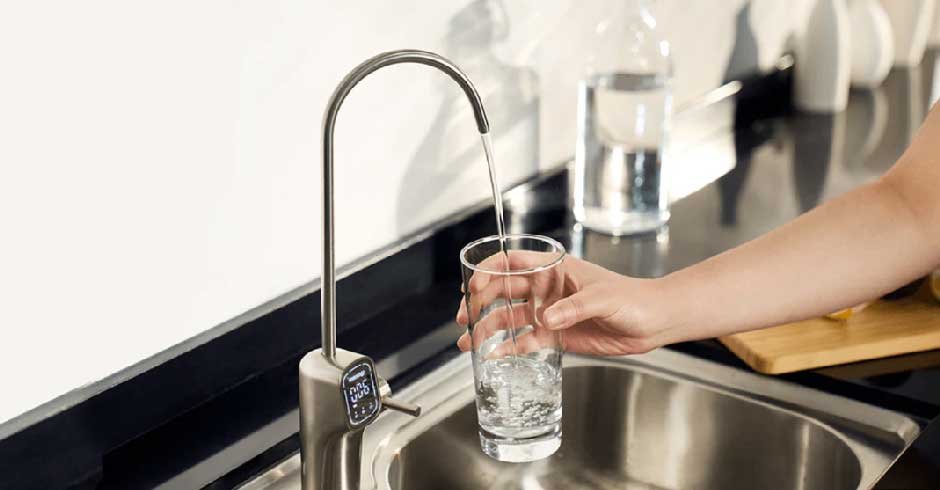
Among popular options, modern systems like the Waterdrop G3P800 undersink water filter has been the most popular choice to remove contaminants.
This system Is designed For pure drinking:
- 10-Stage Filtration – Removes PFAS, fluoride, lead, chromium and heavy metals.
- Ultra Capacity – Produces 800 GPD, fills a 6oz cup in 5s.
- Superior Efficiency – 3:1 pure to drain ratio minimizes water waste.
- Multi-Certified – NSF/ANSI 42, 53, 58, 372 certified.
- UV Sterilization – Eliminates 99.9% bacteria and viruses.
- Smart Display – LED faucet shows TDS levels and system status.
- Professional Grade – Tankless design perfect for large families and small businesses.
2. Refillable Stainless-Steel or Glass Bottles
Pairing filtered water with a refillable bottle eliminates the need for disposable plastics. Stainless steel and glass are durable, safe, and free from chemical leaching.
Consumers can fill their bottles at home, at work, or using newly expanding networks of public refill stations.
3. Whole-House Filtration
For families in areas with known water-quality issues or high chlorine levels, whole-house filtration helps ensure cleaner water not only for drinking but also for bathing and cooking.
While more expensive upfront, these systems reduce the need for bottled water entirely.
4. Community Hydration Stations
More American cities and schools are installing filtered water stations as part of sustainability initiatives. These stations make it easy for individuals to refill bottles on the go and avoid buying bottled alternatives.
Conclusion: A Cleaner Future Starts With Everyday Choices
The hidden environmental cost of bottled water is far greater than most people realize. From resource-intensive plastic production to carbon-heavy transportation and pervasive microplastic pollution, the consequences extend far beyond convenience.
Fortunately, Americans have better choices. Safe drinking water does not require disposable bottles. With certified filtration systems, refillable containers, and growing access to hydration stations, households can enjoy clean, reliable drinking water while dramatically reducing environmental harm.