
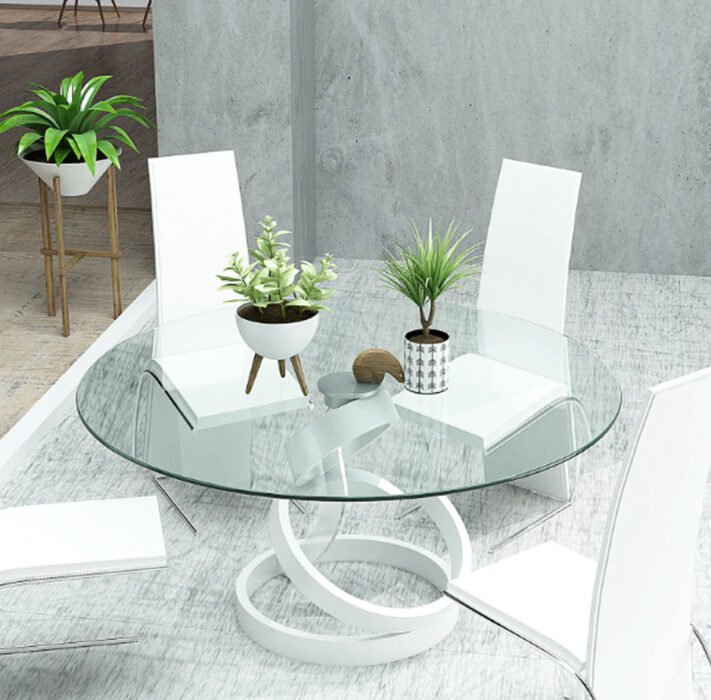
When it comes to upgrading your furniture, few changes are as elegant, practical, and instantly transformative as installing a round tempered glass table top. Whether you are replacing a broken surface, refurbishing an antique base, or modernizing your dining space, a tempered round glass tabletop offers the rare combination of strength, beauty, and longevity. It is not just a stylish choice, it is a functional upgrade that solves real problems for homeowners, designers, and DIYers alike.
This article is not another generic buying list. It is a detailed, practical walkthrough designed for shoppers at the decision stage; people like you who are ready to act but want to make a smart, informed purchase. By the end, you will know exactly why a round tempered glass table top is the best option, how to choose the right specifications, and what to expect during installation and maintenance.
The Appeal of Tempered Glass and the Round Shape
Tempered glass is not just strong glass. It’s a highly engineered material designed to withstand impact, pressure, and temperature variations far better than standard annealed glass. The tempering process involves heating the glass to over 600°C and then rapidly cooling it, creating internal compressive stresses that make it four to five times stronger than ordinary glass. More importantly, if it ever does break, it shatters into small, blunt granules rather than dangerous shards, a crucial safety feature in any home.
That is why a round tempered table glass top is more than an aesthetic upgrade; it is a safety and durability investment. It resists scratches, absorbs everyday impacts, and holds up well in both indoor and outdoor settings.
Equally important is the round shape. Unlike square or rectangular tables, a round glass table top tempered brings flow and harmony to a room. It eliminates sharp corners, which is ideal in smaller spaces or households with children. Round tables also create a sense of intimacy, everyone faces each other equally, making them perfect for dining rooms, patios, and meeting spaces. Visually, the absence of corners softens hard design lines, helping furniture blend seamlessly into almost any décor style.
Planning Your Round Tempered Glass Table Top Replacement
If you are replacing a damaged tabletop or designing a custom one, careful planning ensures your investment pays off. One of the most common mistakes buyers make is underestimating the importance of accurate measurements. A round tempered glass table top replacement must fit precisely, too wide and it becomes unstable; too narrow and it looks disproportionate to the base.
The diameter should match your table’s proportions while leaving enough overhang to appear balanced. Most homeowners opt for sizes between 24″ and 60″, depending on their base. Thickness is another key consideration: ¼″ glass is sufficient for small side tables, while larger dining or conference tables usually require ⅜″ or ½″ to prevent flexing.
Because all edge finishing, drilling, and cutting must be completed before tempering, double-checking measurements is non-negotiable. Once tempered, the glass can’t be altered, any attempt to cut or drill it post-production will cause it to shatter. Therefore, if your design includes an umbrella hole for outdoor use or specific mounting holes, these details must be specified during the fabrication process.
Craftsmanship and Edge Design
A great tempered glass top is defined by its edges. For both safety and aesthetics, edge treatment options such as flat polish, beveled, bullnose, or pencil polish can dramatically change the look and feel of the final piece. Flat-polished edges create a modern, minimal look, while beveled edges add a touch of sophistication, refracting light beautifully in sunlit rooms. Pencil edges, with their soft rounded contours, are excellent for families or high-traffic areas where safety is a priority.
When ordering a tempered round glass tabletop, request that all edges be properly seamed or polished to remove sharpness. A well-finished edge not only enhances the appearance but also prevents chipping, the most common point of failure in glass furniture.
Installation and Support
Even the strongest glass depends on proper support. Installing a round tempered glass top may seem straightforward, but attention to detail matters. The glass should rest on evenly spaced rubber or silicone pads, typically transparent discs that prevent slippage and absorb shock. These pads also allow a small air gap between the glass and its base, reducing vibration and preventing moisture from accumulating underneath.
Level support is crucial. An uneven base introduces stress points that can lead to micro-fractures over time. Before setting the glass, check the base for wobble or misalignment and use shims to correct it. When placing the glass, avoid sliding it roughly over metal or wooden surfaces; lift and lower it gently to prevent edge chipping.
Care, Cleaning, and Long-Term Maintenance
One of the best aspects of owning a round tempered glass top for a table is how easy it is to maintain. Glass is naturally non-porous, so it doesn’t absorb stains or odors. A simple wipe-down with a microfiber cloth and a mild glass cleaner keeps it spotless. Avoid ammonia-based or abrasive products; they can dull the surface over time. For outdoor tops, rinse periodically with water to remove dust and pollen, then dry with a lint-free cloth to prevent water marks.
Prevent scratches by using placemats and coasters, especially under ceramics or metal dishes. If the table is used as a workspace, a clear acrylic mat can add extra protection without hiding the transparency of the glass. Remember that tempered glass cannot be repaired — chips or cracks mean full replacement — so proactive care is the best form of insurance.
Balancing the Pros and Cons
To help you make a fully informed decision, let’s look at the advantages and disadvantages of a round tempered glass table top.
Benefits
- High safety: shatters into small pieces rather than shards.
- Excellent strength and resistance to impact (compared to annealed glass).
- Heat and scratch resistance (to a degree).
- Sleek, modern aesthetic that blends with many interior styles.
- Transparency helps make spaces feel more open.
- Round shape avoids corners, more forgiving in tight or family households.
- Easier to replace just the glass rather than the entire table structure.
Drawbacks & Limitations
- Higher cost than non-tempered options.
- Weight: thick tempered glass is heavy and harder to transport or maneuver.
- No repair: once tempered, you cannot cut, drill, or rework it — damage forces full replacement.
- Fingerprints, smudges, and dust show easily — so frequent cleaning is part of the deal.
- Edge chips are the most vulnerable spots; aggressive impact there can cause total failure.
- At extreme sizes or thicknesses, flex or deflection may become an issue if not properly supported.
In many cases, the pros strongly outweigh the cons, but you should be clear about trade-offs before committing.
Practical Applications and Real-World Examples
To understand the versatility of the round tempered glass table top, consider these common use cases. Each one highlights how this simple upgrade provides a cost-effective solution to a specific problem:
| Use Case | Problem | Why a Round Tempered Glass Top Helps |
| Dining table replacement | Original wood or veneer surface is damaged or outdated | Offers a sleek, modern surface that’s durable and easy to clean |
| Outdoor patio table | Exposure to sun and rain causing material degradation | Tempered glass resists weathering and retains transparency |
| Antique base restoration | Want to preserve vintage legs but replace cracked top | Custom round tempered glass top complements antique aesthetics |
| Office or conference room | Need an elegant, professional surface | Reflective clarity enhances light and creates an open feel |
| Small apartments or cafes | Tight space and sharp corners a hazard | Round shape saves space and enhances safety |
These examples reveal why a round tempered glass table top replacement is often a smarter investment than buying an entirely new table. You keep the structure you love and simply upgrade the surface to something stronger, safer, and easier to maintain.
Optimizing for Longevity and Value
If you are customizing your tabletop, ask about low-iron tempered glass. Unlike standard glass with a greenish tint, low-iron glass is ultra-clear, making it ideal for design-conscious buyers. You can also opt for frosted, tinted, or back-painted finishes for privacy or stylistic contrast. Each option adds personality without compromising durability.
Cost varies depending on diameter, thickness, and edge treatment, but the long-term value is undeniable. While tempered glass may carry a higher upfront price than ordinary glass, its resistance to scratches, heat, and breakage means fewer replacements and repairs over time. It’s a buy-once solution, a hallmark of good design.
A Practical Luxury That Lasts
Choosing a round tempered glass table top isn’t just about aesthetics; it’s a decision grounded in practicality, longevity, and safety. It transforms an ordinary base into a statement piece, adds lightness to dense interiors, and solves the functional challenges of maintenance and durability. For families, professionals, or design enthusiasts, it represents the sweet spot between modern minimalism and timeless function.
When purchasing, prioritize accuracy, certification, and craftsmanship. A well-made tempered round glass tabletop doesn’t just elevate a room; it enhances your everyday experience. Clean lines, smooth edges, and crystal clarity bring a sense of order and elegance to any environment.
So, whether you’re restoring a beloved heirloom, designing a modern workspace, or refreshing your dining area, a round tempered glass table top isn’t just a surface. It’s a reflection of smart design and enduring value, a clear choice in every sense.