
The way we generate and consume energy sits at the heart of environmental sustainability. Fossil fuels have powered modern life for over a century, but their environmental cost has become impossible to ignore. Climate change, air pollution and resource depletion all trace back to our collective energy choices.
Fortunately, alternatives now exist across nearly every aspect of daily life. From how we heat our homes to how we power devices while camping, cleaner options have become accessible and practical. Understanding these alternatives helps individuals align their energy consumption with environmental values.
The Shift Away from Fossil Fuel Dependence
Traditional energy sources carry significant environmental burdens. Burning coal, oil and natural gas releases carbon dioxide that accumulates in the atmosphere, trapping heat and disrupting climate patterns. Extraction processes damage ecosystems and communities. Supply chains span continents, adding transportation emissions to already problematic fuels.
The transition toward cleaner energy happens at multiple scales simultaneously. Utility companies invest in wind and solar farms. Governments implement policies encouraging renewable adoption. And individuals make choices within their own homes and lifestyles that collectively shift demand patterns.
This individual level matters more than it might initially appear. Consumer choices send market signals that influence what products get developed and what industries expand. Each household that reduces fossil fuel consumption contributes to broader systemic change.
Rethinking Home Heating
Heating represents a substantial portion of household energy consumption, particularly in cooler climates. Traditional approaches often rely on burning natural gas, oil or wood, each carrying distinct environmental concerns.
Natural gas produces fewer emissions than coal or oil but still releases significant carbon dioxide when burned. Extraction through fracking raises additional concerns about groundwater contamination and methane leakage. Oil heating shares similar combustion issues while adding supply chain vulnerabilities. Wood burning, though renewable in theory, creates air quality problems and contributes to particulate pollution.
Modern alternatives offer warmth without these drawbacks. Heat pumps extract thermal energy from outdoor air or ground sources, providing heating with minimal direct emissions. When powered by renewable electricity, these systems approach carbon neutrality.
For those seeking the ambiance of a traditional fireplace without combustion, electric fireplaces provide visual warmth through LED technology and realistic flame effects. These units require no ventilation, produce no indoor air pollutants and operate entirely on electricity. In regions with clean electrical grids, they represent a genuinely low emission alternative to wood or gas burning.
The aesthetic experience of gathering around a fire need not disappear as we transition away from combustion. Technology has evolved to preserve what people love about fireplaces while eliminating what harms the environment.
Energy Efficiency as Environmental Action
Before considering energy sources, efficiency deserves attention. The cleanest energy is energy never consumed. Reducing demand through efficiency improvements often proves more impactful than switching sources alone.
Insulation keeps heated or cooled air inside where it belongs. Quality windows prevent thermal transfer. Sealing gaps around doors and pipes eliminates drafts. These improvements reduce the energy required to maintain comfortable temperatures regardless of how that energy is generated.
Lighting has transformed dramatically in recent years. LED bulbs use a fraction of the electricity that incandescent bulbs require while lasting many times longer. Switching lighting throughout a home creates measurable savings that compound over years of use.
Appliance efficiency has similarly improved. Modern refrigerators, washing machines and dishwashers accomplish the same tasks using far less energy than models from previous decades. When replacing aging appliances, efficiency ratings merit consideration alongside price and features.
The Rise of Distributed Energy
Traditional electricity systems centralise generation at large power plants and distribute energy through extensive grid networks. This model carries inherent inefficiencies as energy is lost during long distance transmission.
Distributed generation flips this model by producing energy closer to where it gets consumed. Rooftop solar panels generate electricity directly at the point of use. Home battery systems store excess production for evening hours. Smart inverters manage flow between household systems and the broader grid.
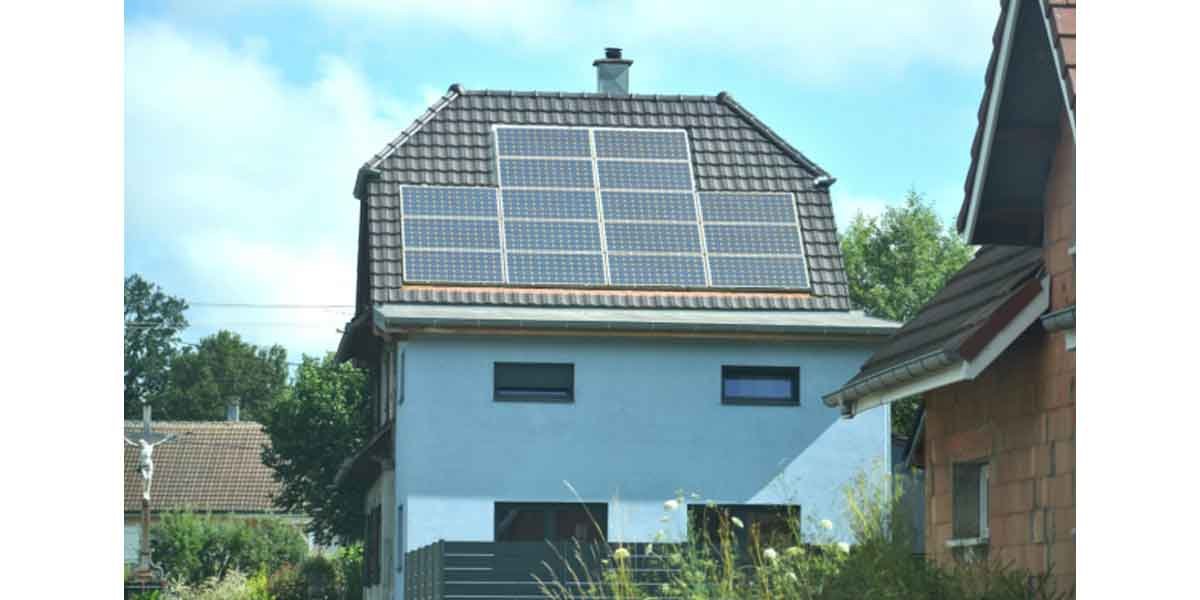
This decentralisation offers environmental benefits beyond reduced transmission losses. It accelerates renewable adoption by allowing individuals to participate directly rather than waiting for utility companies to act. It builds resilience against grid failures. It creates visible reminders that energy comes from somewhere and carries environmental implications.
The economics have shifted dramatically. Solar installation costs have dropped substantially over the past decade. Battery storage has followed similar trajectories. What once required significant wealth now falls within reach of middle income households in many markets.
Clean Energy Beyond the Home
Sustainability commitments need not pause at the property line. Outdoor recreation offers additional opportunities to align energy use with environmental values.
Traditional camping and outdoor activities often rely on generators, disposable batteries or vehicle engines to power devices. These approaches carry fossil fuel dependence into natural spaces, creating noise pollution and emissions in the environments we seek to protect.
Portable renewable options have matured significantly. Modern camping solar panels fold compactly for transport, deploy quickly at campsites and generate meaningful power from sunlight. Paired with portable battery storage, these systems can charge phones, run lights and power small appliances without any combustion.
The technology has become remarkably capable. Even on overcast days, quality panels produce usable electricity. Efficiency improvements mean smaller panels now generate what larger units produced years ago. Weight reductions make backpacking with solar feasible rather than burdensome.
This matters for environmental reasons beyond direct emissions reduction. People who experience renewable energy working reliably in demanding conditions develop confidence in the technology. That confidence translates into greater openness toward clean energy adoption in other life areas.
Understanding Energy Trade-offs
Honest sustainability assessment acknowledges that no energy source is perfect. Even renewables carry environmental costs that deserve recognition.
Solar panel manufacturing requires mining raw materials and energy intensive production processes. Wind turbines impact bird populations and require significant material inputs. Battery production raises concerns about lithium extraction and eventual disposal challenges.
These impacts do not negate the benefits of renewable energy. They simply remind us that environmental progress involves choosing better options rather than perfect ones. Lifecycle analysis consistently shows renewables producing far fewer emissions and environmental harms than fossil fuel alternatives, even when manufacturing impacts are included.
The goal is improvement rather than purity. Moving from high impact choices to lower impact alternatives represents meaningful progress even when those alternatives carry their own concerns.
Collective Impact Through Individual Choice
Single households cannot solve climate change alone. This reality sometimes breeds fatalism about whether personal choices matter at all.
The perspective misunderstands how change happens. Markets respond to consumer demand. When enough individuals choose efficient appliances, manufacturers prioritise efficiency in product development. When enough households install solar panels, installation companies expand and costs decline further. When enough campers adopt portable renewables, product innovation accelerates.
Individual choices also influence social norms. Neighbours notice solar panels on rooftops. Friends discuss energy bills and efficiency improvements. Family members share experiences with new technologies. These conversations normalise sustainable options and accelerate adoption beyond the initial adopters.
Building an Energy Conscious Lifestyle
Transitioning toward cleaner energy need not happen overnight. Gradual changes integrated into normal purchasing cycles often prove more sustainable than dramatic overhauls.
When heating systems require replacement, efficiency and fuel source become natural considerations. When light bulbs burn out, LEDs offer obvious upgrades. When camping gear needs refreshing, solar options merit exploration. These decision points occur naturally over years, each offering opportunity for improvement.
Awareness matters as much as specific purchases. Understanding where energy comes from and how consumption patterns affect the environment creates foundation for ongoing improvement. This awareness compounds over time as knowledge builds and options evolve.
Looking Ahead
The energy transition is well underway. Renewable electricity costs have dropped below fossil fuel alternatives in many regions. Electric vehicle adoption is accelerating. Heat pump technology continues improving. Storage solutions are maturing.
Individuals participating in this transition help accelerate its pace. Each clean energy choice, whether heating a home without combustion or powering a campsite with sunlight, contributes to the collective shift away from fossil fuel dependence.
The opportunity exists to power our lives in ways that protect rather than degrade the natural world. Taking that opportunity, one decision at a time, represents perhaps the most practical form of environmental stewardship available to ordinary people living ordinary lives.