
It is a town of paradox. How can a place named “New Town” be centuries old, with roots stretching back to the Domesday Book? This is the quiet enigma of Newton-le-Willows, a historic market town nestled in the heart of the North West of England. It sits strategically, a vital bridge between the cultural dynamism of Liverpool and the commercial powerhouse of Manchester.
A Tale of Two Centers: High Street vs. Earlestown
The town’s character is beautifully split, offering a dual experience that few places can match. On one side, you have the charming, tree-lined Newton High Street. This area feels like a classic English village, with independent cafes, boutique shops, and a palpable sense of community. The pace here is relaxed, perfect for a slow Saturday morning.
Then, just a short distance away, you find the industrial grit and bustling energy of Earlestown. This is the town’s commercial heart, a place where history is still being made. Earlestown is home to one of the country’s oldest and most vibrant outdoor markets, a tradition that dates back to the 13th century. It is a place of loud voices, fresh produce, and a truly authentic local atmosphere.
The Cradle of the Industrial Revolution
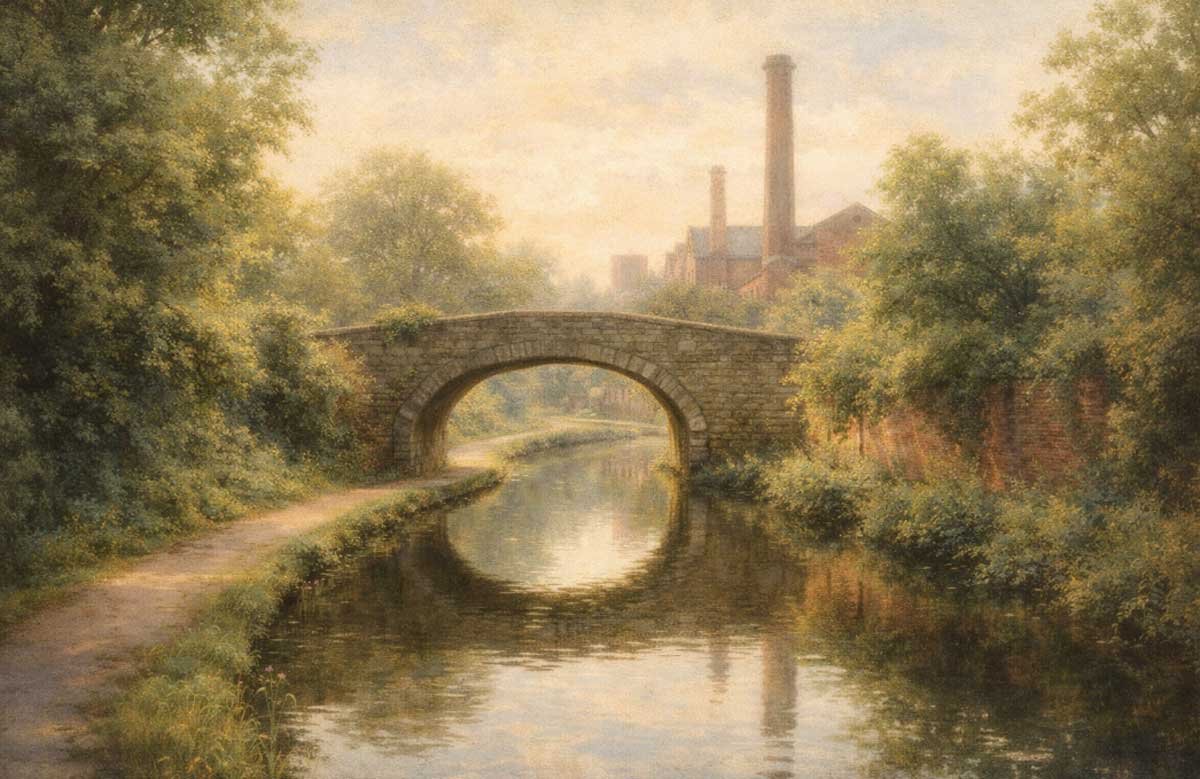
Newton-le-Willows is not just old; it is historically pivotal. The town played an outsized role in shaping the modern world, a fact often overlooked by larger cities. This small corner of Merseyside was the birthplace of two monumental industrial achievements.
First, there is the Sankey Canal. Opened in 1757, this was not just a canal; it was England’s first modern canal, a pioneering feat of engineering that predated the famous Bridgewater Canal. It was built to transport coal from the local collieries, fundamentally altering the economics of the region and setting the stage for the Industrial Revolution.
Second, and perhaps most famously, is the railway. Newton-le-Willows is proudly known as the “World’s First Railway Town.” The legendary Vulcan Works, established here, became a global powerhouse for locomotive manufacturing. The town’s position on the Liverpool and Manchester Railway—the world’s first inter-city passenger railway—cemented its status as a nexus of innovation.
Industrial Firsts of Newton-le-Willows
| Industrial First | Significance | Year Established |
|---|---|---|
| Sankey Canal | England’s first modern canal, pioneering transport infrastructure. | 1757 |
| Liverpool & Manchester Railway | World’s first inter-city passenger railway line. | 1830 |
| Vulcan Works | Global leader in locomotive manufacturing, establishing the town as the “Railway Town.” | 1830s |
Modern Living: Why Everyone is Moving Here

The past is impressive, but the present is what is driving the town’s current boom. Newton-le-Willows has recently been cited as one of the UK’s most underrated property hotspots. The reason is simple: connectivity and quality of life.
The town perfectly embodies the “15-minute city” concept. From the train station, you can reach the centers of both Liverpool and Manchester in under 20 minutes. This unparalleled access makes it a premier location for professionals who want the career opportunities of a major city without the relentless pace and cost of city living.
Beyond the trains, the town offers a genuine sense of space. Willow Park and Mesnes Park provide expansive green areas for families and dog walkers. The local school scene is robust, with institutions like St Peter’s C of E Primary School consistently receiving high praise. It is a place where you can breathe, connect with nature, and still be on the fast track to the North West’s major economic centers.
Comparison: Newton-le-Willows vs. Nearby Towns
| Feature | Newton-le-Willows | Warrington | St Helens |
|---|---|---|---|
| Commute to Manchester | ~20 mins | ~30-40 mins | ~40-50 mins |
| Commute to Liverpool | ~20 mins | ~30 mins | ~20-30 mins |
| Vibe | Historic, Village-like | Large Town, Commercial | Industrial, Regeneration |
| Property Value | High Growth, Mid-Range | High-Range, Established | Mid-Range, Value Focus |
A Perfect Day in Newton-le-Willows
To truly understand the town, you must spend a day here. It is a rhythm of history, community, and quiet enjoyment.
Morning: Start your day with a strong coffee and a pastry at one of the independent cafes on the High Street. The air is fresh, and the pace is slow. It is the perfect moment to plan your day and watch the locals go about their business.
Afternoon: Head to Earlestown Market to soak up the atmosphere and grab some fresh local produce. Alternatively, take a walk along the historic towpath of the Sankey Canal. This is a peaceful, reflective journey that connects you directly to the town’s industrial past.
Evening: The town has a surprising number of excellent independent restaurants and traditional pubs. Enjoy a meal at a local bistro, or settle into a cozy pub for a pint of local ale. The community spirit is strongest in the evening, a warm, welcoming end to a day of discovery.
Frequently Asked Questions
- 1. Is Newton-le-Willows a nice place to live?
- Yes, it is frequently cited as one of the UK’s top property hotspots due to its excellent transport links, green spaces like Willow Park, and a charming High Street. It offers a balanced lifestyle between urban convenience and village charm.
- 2. What is Newton-le-Willows famous for?
- It is historically significant as the “World’s First Railway Town” and is home to the Sankey Canal, the first modern canal in England. It was also the site of the famous Vulcan Works locomotive factory.
- 3. Is Newton-le-Willows in Liverpool or Manchester?
- Geographically, it is in the Metropolitan Borough of St Helens, Merseyside. However, it sits almost exactly halfway between Liverpool and Manchester, making it a premier commuter hub for both cities.
- 4. Why is it called “le-Willows”?
- The name “Newton” means “new town,” and “le-Willows” was added to distinguish it from other Newtons, referring to the willow trees that once lined the local streams and the Newton Brook.
- 5. What are the best schools in the area?
- St Peter’s C of E Primary School is highly regarded and often cited as one of the best in the area. Hope Academy is a major secondary school serving the community with excellent facilities.