
Shipping container homes attract attention because they combine durability with flexible design. Steel structures react quickly to temperature changes, which makes insulation one of the most critical design decisions. Choosing the wrong thermal protection can lead to heat loss, moisture problems, and higher energy costs.
Many homeowners start with the container itself, sourcing new shipping containers for sale in Allentown from Pelican Containers to ensure clean surfaces and predictable thermal behavior. Starting with a consistent steel shell makes insulation planning more accurate and reduces hidden risks. From that base, thermal protection choices can be adapted to local climate demands.
How Climate Influences Insulation Choices
Temperature swings, humidity, and solar exposure all affect insulation performance. Steel conducts heat efficiently, which means uninsulated containers quickly match outdoor conditions. Thermal protection must slow this transfer while also managing moisture.
Cold regions prioritize heat retention and condensation control. Hot regions focus on limiting heat gain and maintaining stable indoor temperatures. Mixed climates require balanced solutions that perform year-round.
Cold and Snowy Climates
Cold climates place stress on walls, ceilings, and floors. Heat loss through steel framing can undermine even thick insulation layers if thermal bridging is ignored. High R-value materials with air-sealing properties are essential.
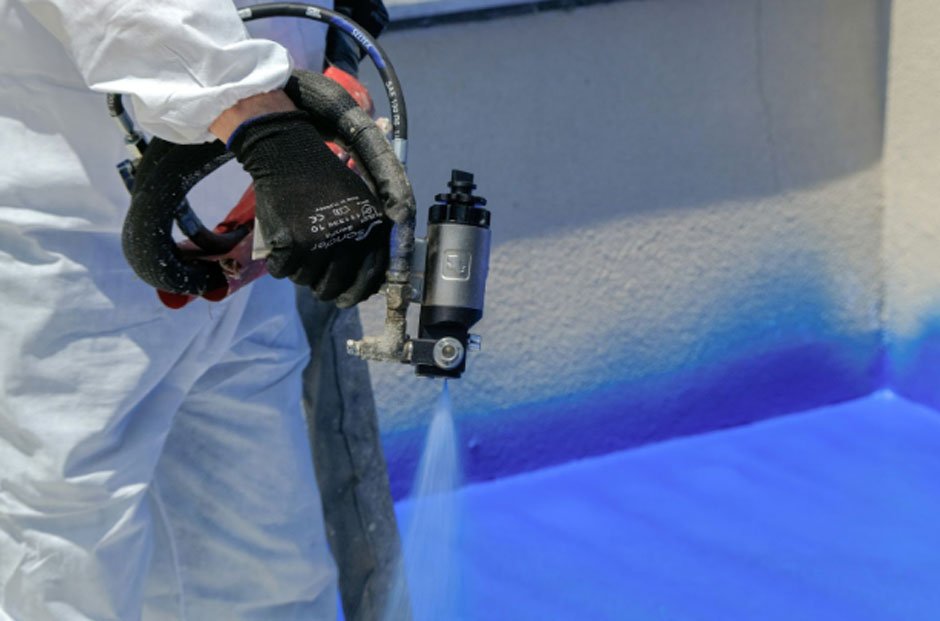
Spray foam is widely used in cold regions because it adheres directly to steel surfaces. It reduces air leakage and limits condensation when installed correctly. Closed-cell spray foam also adds structural rigidity to interior walls.
Common cold-climate priorities include:
- High R-value per inch to maximize interior space
- Strong vapor resistance to control condensation
- Continuous coverage across walls, ceilings, and subfloors.
Rigid foam boards are often combined with spray foam to break thermal bridges. Boards can be installed between interior framing and wall finishes. This layered approach improves energy efficiency without excessive wall thickness.
Hot and Dry Climates
Hot climates require thermal protection that limits radiant heat gain. Containers exposed to direct sunlight can reach extreme surface temperatures. Insulation must slow heat transfer while allowing interiors to cool efficiently.
Reflective insulation systems are often used in dry heat. These materials reflect radiant energy rather than absorbing it. When paired with ventilation gaps, they reduce interior temperature spikes.
Key considerations for hot climates include:
- Radiant heat reflection from roofs and walls
- Resistance to degradation from high surface temperatures
- Compatibility with mechanical cooling systems.
Spray foam is also used in hot climates, particularly on roofs. It creates an airtight envelope that prevents hot air infiltration. Light-colored exterior coatings further reduce heat absorption and improve insulation performance.
Humid and Coastal Climates
Humidity introduces moisture risks that can damage thermal protection and interior finishes. Steel containers are prone to condensation when warm air meets cool surfaces. Insulation must manage vapor movement as carefully as temperature.
Closed-cell spray foam performs well in humid regions because it acts as both insulation and a vapor barrier. It prevents moist air from reaching steel walls, reducing corrosion risk. Proper installation is critical to avoid trapped moisture.
Effective strategies for humid climates include:
- Vapor-resistant materials
- Continuous air sealing around joints and openings
- Controlled ventilation to manage indoor humidity.
Mineral wool is sometimes used for interior partitions in humid regions. It resists mold growth and maintains performance when exposed to moisture. However, it requires a separate vapor-control layer when used against steel walls.
Mixed and Variable Climates
Mixed climates experience seasonal temperature swings and varying humidity levels. Insulation systems must perform consistently across both heating and cooling seasons. Flexibility and balance become the main design goals.
Hybrid insulation systems are common in these regions. Spray foam provides air sealing, while batt or board insulation adds thermal mass. This combination allows walls to respond gradually to changing outdoor conditions.
Roof insulation often receives special attention in mixed climates. Roofs experience the greatest temperature variation throughout the year. Upgrading roof insulation can deliver noticeable energy savings and comfort improvements.
Interior Space and Thickness
Shipping containers have fixed interior dimensions, making insulation thickness a critical factor. Excessively thick insulation can reduce usable living space. High-performance materials help balance comfort with spatial efficiency.
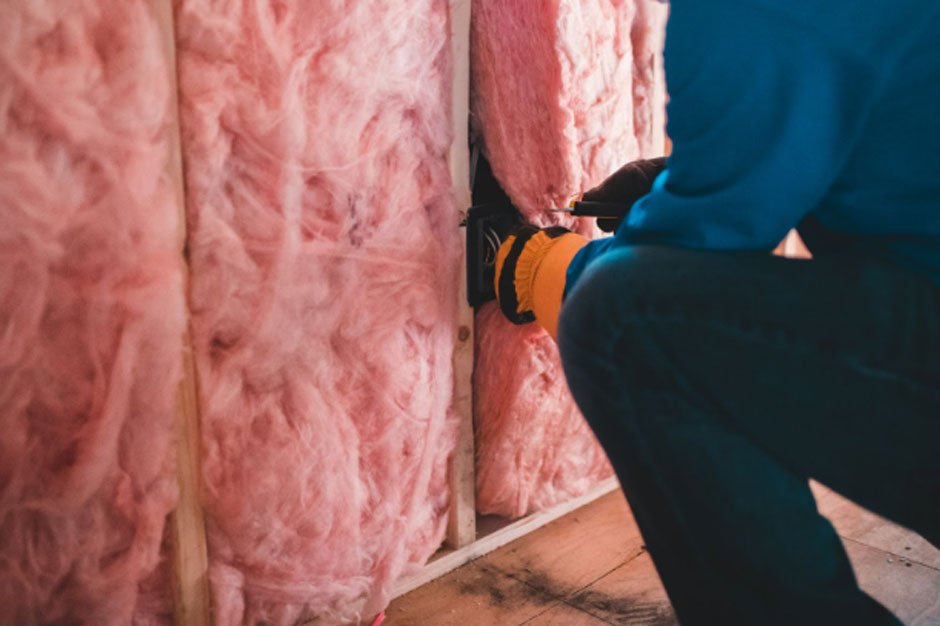
Closed-cell spray foam offers high insulation value with minimal thickness. Rigid foam boards also provide strong performance in thin profiles. Designers often prioritize these materials for walls while using thicker insulation in ceilings.
Careful detailing around doors, windows, and corners prevents gaps. Even small breaks in thermal protection can create cold spots or condensation zones. Consistent coverage is more important than maximum thickness in most cases.
Long-Term Performance and Maintenance
Insulation decisions affect energy costs and maintenance for decades. Materials that degrade, absorb moisture, or separate from steel surfaces create long-term risks. Choosing durable insulation reduces future repairs and improves resale value.
Fire resistance and indoor air quality also matter. Some insulation materials require protective finishes to meet building-code requirements. Verifying local code standards early prevents redesign later.
A well-insulated shipping container home performs similarly to conventional housing when climate-specific strategies are applied. Matching insulation types to environmental conditions ensures comfort and structural protection over time.