
More than eighty percent of structural problems originate from soil-related movement around the foundation. This movement can cause the foundation to shift, resulting in cracks and distortion in the structure above. Understanding the causes and indicators of structural damage helps homeowners take timely action to maintain the integrity of their property. Such awareness also supports better decision-making when it comes to renovations or purchasing a new home.
Identifying structural damage involves careful inspection of both visible exterior and interior elements of the home. This includes checking for cracks in foundation walls, bowed or leaning walls, and signs of sagging or misalignment in floors and ceilings. Recognizing these warning signs can guide decisions about necessary repairs or professional assessments. A proactive approach to inspections can save homeowners from facing unexpected and expensive structural failures later on.
Common Signs of Structural Damage
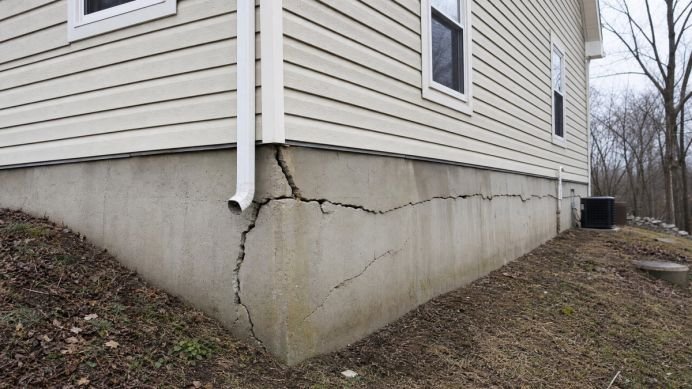
Structural damage manifests through several visible and measurable indicators observable in different parts of a house. These signs often appear first as cracks in walls, ceilings, or foundations. Diagonal cracks near window and door corners, stair-step cracks in brickwork, and horizontal cracks in foundation walls are significant warning signals that require attention. Additionally, walls that bow or lean outward, floors that sag or slope, and rooflines that appear uneven can all suggest underlying structural concerns.
Another key symptom is the sticking or misalignment of doors and windows. These features may no longer open or close properly due to shifting framing members or settling foundations. Gaps appearing between walls and ceilings or floors also point to movement within the structural components. Early detection of these signs allows for timely intervention to reduce further damage and maintain the home’s safety.
Beyond these more obvious indicators, subtle signs such as cracking or separation in drywall, uneven gaps around crown molding, or odd noises like creaking floors may also hint at structural issues. Paying attention to changes over time, such as new cracks forming or existing ones widening, can provide crucial clues about the progression of damage. Homeowners should remain vigilant, especially after severe weather events or earthquakes, as these can accelerate structural problems.
It is also important to observe exterior elements like chimneys that are tilting or separating from the house, as these can be telltale signs of foundation settlement. Exterior doors that have shifted or become difficult to latch properly often reflect framing movement. Identifying the full range of symptoms helps create a comprehensive picture of the home’s structural health and the urgency of repairs needed.
Causes of Structural Damage in Homes
Structural damage primarily results from soil movement around the foundation, which affects the stability of load-bearing elements. Expansive soils that swell when wet and shrink when dry cause repeated pressure on the foundation, leading to cracks and shifts. Poor soil compaction during construction can also allow settling over time, creating uneven support beneath the home.
Moisture infiltration is another major factor contributing to structural damage. Water accumulation near or under the foundation from improper drainage or gutter issues can erode soil or cause freeze-thaw cycles that weaken concrete and wood. Tree roots growing close to the foundation may displace soil and exert pressure on structural elements. Aging materials naturally deteriorate over decades, making them more susceptible to damage. Understanding these causes helps prioritize appropriate inspection and maintenance strategies.
Additional causes include seismic activity and vibrations from nearby construction or heavy traffic, which can induce stress in the structure and contribute to foundation movement or fractures. Poor construction practices such as inadequate reinforcement or use of substandard materials can leave a home vulnerable to early deterioration. Thermal expansion and contraction due to temperature fluctuations may also cause micro-fractures that, over time, develop into significant damage.
Environmental factors such as flooding or prolonged exposure to moisture can accelerate wood rot and corrosion of metal fasteners, compromising structural components. Pest infestations, including termites and carpenter ants, can weaken wooden beams and joists by consuming or hollowing out the material. Recognizing the combination of these causes enables homeowners to address problems holistically and implement measures that reduce multiple risk factors simultaneously.
Inspection Methods for Structural Damage
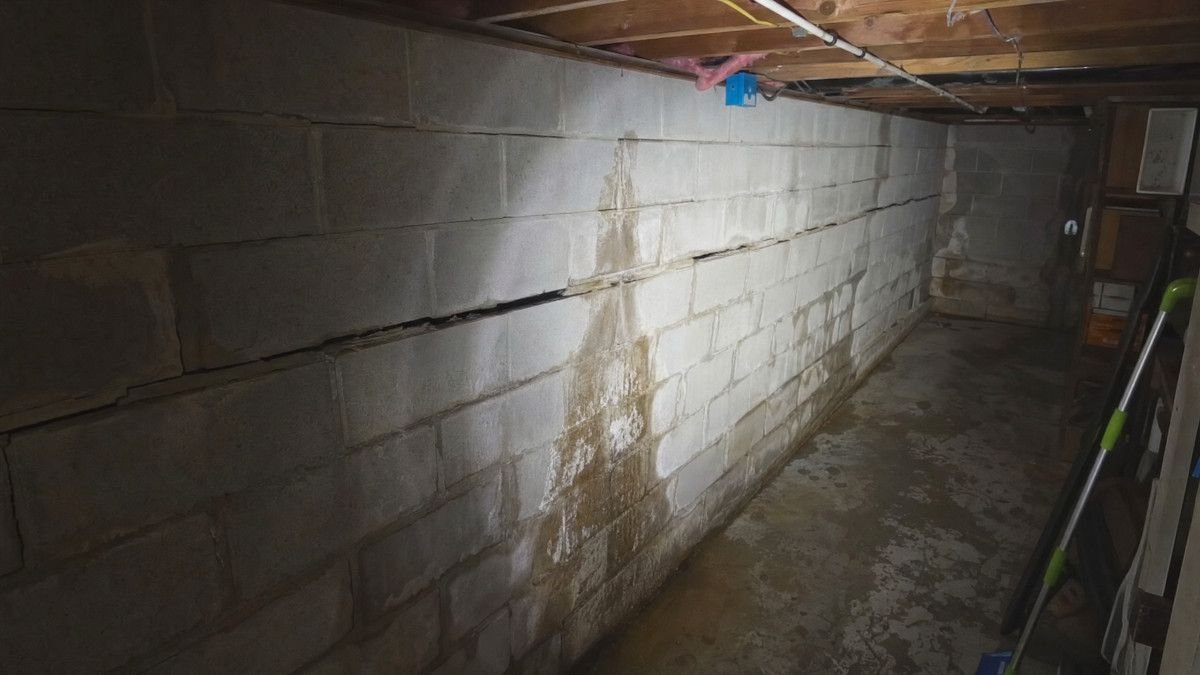
Detecting structural damage involves a thorough visual survey of both the exterior and interior of the home. Externally, the foundation walls should be examined for cracks, bowing, or signs of settling. Inside, basements and crawl spaces should be checked for water stains or dampness that indicate moisture problems. Probing wooden beams and joists with a screwdriver or similar tool can reveal rot or insect damage that undermines strength.
In addition to surface inspections, checking for gaps or misalignments within structural framing is important. Doors and windows should be tested for smooth operation, and any unusual resistance or sticking may indicate frame movement. Measuring cracks and noting their orientation helps determine their severity. Regular inspections are critical for early identification of problems before they become severe and costly.
Using simple tools like a level or plumb bob can help detect subtle tilting or unevenness in walls, floors, or door frames. Photographic documentation over time allows tracking of crack progression or movement, which can be valuable during professional assessments. Homeowners should also consider monitoring humidity and moisture levels in basements and crawl spaces, as excess moisture often correlates with structural issues.
Professional inspections may include the use of specialized equipment such as moisture meters, infrared cameras, or structural monitoring devices that measure shifts or vibrations. Engaging a licensed structural engineer or foundation specialist to perform detailed evaluations can uncover hidden damage not visible to the untrained eye. These experts can provide recommendations for repair options prioritized by urgency and cost-effectiveness.
Repair and Prevention of Structural Damage
Repair methods vary depending on the severity and cause of the structural damage. Minor cracks can sometimes be treated with injection of epoxy or polyurethane to seal and restore the foundation’s integrity. For significant settlement or movement, underpinning or piering techniques are used to stabilize and support the foundation by transferring load to stable soil layers. Sistering or reinforcing damaged joists and beams can strengthen weakened framing members.
Preventive measures are essential to avoid recurring structural problems. Maintaining proper grading around the home to direct water away from the foundation reduces moisture infiltration. Regular cleaning and maintenance of gutters prevent water overflow near the base of the house. Controlling moisture levels in the soil and avoiding planting large trees too close to the foundation minimize tree root intrusion and soil expansion risks. These strategies help preserve the structural health of a house over time.
Additional preventative actions include installing drainage systems such as French drains or sump pumps to manage groundwater effectively. Applying waterproof coatings or sealants to foundation walls can further protect against moisture penetration. Routine inspection and maintenance of roofing and flashing prevent leaks that might cause internal water damage affecting structural components. Ensuring proper ventilation in crawl spaces and attics reduces condensation and mold growth that can degrade wood and insulation.
In cases where structural damage is extensive, a comprehensive repair plan may involve multiple contractors including foundation specialists, carpenters, and waterproofing professionals. Prioritizing repairs based on severity and potential impact on safety is important. Homeowners should also consider investing in structural monitoring devices that alert to future shifts, enabling prompt response to new issues. Overall, combining repairs with preventive maintenance creates the best chance for long-term structural stability and peace of mind.
| Issue | Signs | Repair Approach | Estimated Cost Range |
|---|---|---|---|
| Minor Foundation Cracks | Hairline or small vertical cracks | Epoxy or polyurethane crack injection | 500 to 2,000 USD |
| Significant Settlement | Wide diagonal or horizontal cracks, uneven floors | Underpinning, piering, or slab jacking | 10,000 USD and up |
| Damaged Joists or Beams | Sagging floors, visible rot or splits | Sistering or replacement of wood members | Varies, typically 1,000 to 5,000 USD |
| Moisture Issues | Water stains, damp basement walls | Drainage installation, gutter maintenance | 1,000 to 8,000 USD |
FAQs about Structural Damage
Are all cracks in a house serious?
Not all cracks indicate severe structural issues. Hairline cracks are often cosmetic and result from normal settling or temperature changes. However, wide cracks greater than one-quarter inch, diagonal cracks especially near windows and doors, and horizontal cracks in foundations generally require professional evaluation as they may compromise structural integrity.
Can I repair foundation cracks myself?
Minor cracks may be repaired by homeowners using epoxy or polyurethane injection kits designed for small foundation cracks. However, significant settlement or foundation movement necessitates evaluation and repair by structural engineers or specialized contractors to ensure safety and long-term stability.
What is the typical cost of structural repairs?
Repair costs vary widely depending on the extent of damage. Minor crack injections typically range from 500 to 2,000 dollars. Major repairs involving underpinning or piering can exceed 10,000 dollars. Additional work for joist sistering or drainage installation will affect the overall expense.
Does homeowner insurance cover structural damage?
Home insurance generally covers sudden and accidental damage, such as from storms or impacts. Gradual structural damage caused by settling or soil movement is usually excluded. It is important to review individual policies and consider separate coverage or inspections for structural issues.
When should I call a structural engineer?
A structural engineer should be consulted if cracks exceed one-quarter inch in width, if there are signs of active movement such as widening cracks, sagging floors, or leaning walls. Professional assessment helps determine the cause and appropriate repair methods to avoid further damage.
Can structural damage affect the value of my home?
Yes, structural damage can significantly reduce a home’s market value. Potential buyers often require inspections, and visible or reported structural issues may deter offers or lower selling prices. Correcting damage before selling can improve marketability and protect investment.
How often should I inspect my home for structural issues?
Regular inspections should be conducted at least once a year, especially in areas prone to soil movement or extreme weather. Additionally, inspections are advisable after major storms, earthquakes, or noticeable changes such as new cracks or door misalignment. Early detection is key to managing repairs effectively.
Does structural damage worsen over time?
Structural damage typically worsens if left unaddressed. Minor cracks can expand, and foundation shifts may cause increasing misalignment or instability. Moisture-related issues can accelerate deterioration of materials. Prompt repairs help prevent progressive damage and higher restoration costs.
Conclusion
Recognizing the signs of structural damage in a house is critical for maintaining the safety and value of the property. Visible cracks, sagging floors, and misaligned doors or windows often signal underlying issues with the foundation or supporting framework. Early detection through careful inspection allows for timely repairs, preventing potentially severe consequences and high repair costs. Homeowners who remain observant and proactive can protect their investment and ensure a secure living environment.
Understanding the causes of structural damage such as soil movement, moisture infiltration, and aging materials helps in both addressing current problems and implementing preventive measures. Regular maintenance of drainage, foundation grading, and careful landscaping can reduce risk factors. Professional consultation should be sought for significant signs to ensure the home remains structurally sound over time. A well-maintained structure not only enhances safety but also preserves the comfort and longevity of the home.