
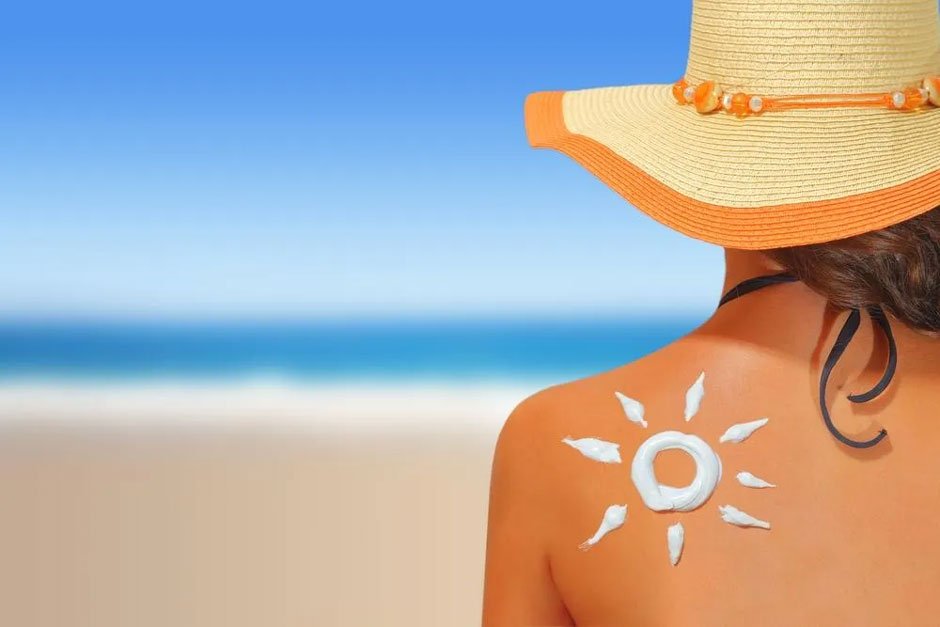
Spending time outside supports both physical and mental health, but too much sun exposure can harm the skin. Ultraviolet rays can cause sunburn, early aging, and increase the risk of skin cancer. To protect the skin from sun damage during outdoor activities, use sunscreen with SPF 30 or higher, wear protective clothing, and seek shade during peak sunlight hours.
Many people underestimate how fast UV rays affect the skin, even on cloudy days or in cooler weather. Simple habits like reapplying sunscreen every two hours and wearing a wide-brimmed hat can make a lasting difference. These steps help maintain healthy skin and reduce long-term risks.
This guide explains the best ways to stay protected outdoors, from choosing the right sunscreen to building steady habits that keep skin safe year-round. Each section offers clear, practical advice that supports healthy routines without limiting outdoor enjoyment.
Key Strategies to Prevent Sun Damage During Outdoor Activities
Protecting skin from UV exposure requires daily habits that combine sunscreen use, protective clothing, and smart outdoor planning. These steps reduce the risk of sunburn, early aging, and uneven skin tone while helping maintain a healthy complexion year-round.
Choose the Right Sunscreen for Outdoor Protection
A broad-spectrum sunscreen with SPF 30 or higher blocks both UVA and UVB rays that cause sunburn and long-term damage. People who spend long hours outside should reapply every two hours, or sooner after swimming or sweating. Sunscreen should cover all exposed areas, including ears, neck, and the tops of feet.
Formulas that contain zinc oxide or titanium dioxide work well for sensitive skin because they reflect UV rays rather than absorb them. Products labeled water-resistant offer better protection during outdoor sports or beach activities.
Those who prefer lightweight or hydrating formulas can explore Korean skincare products by Elire, which include science-based options that address dark spots and uneven tone caused by sun exposure. Using a product suited to one’s skin type helps prevent clogged pores or irritation.
Wear Protective Clothing and Accessories
Covering the skin with tightly woven fabrics blocks much of the sun’s radiation. Long-sleeved shirts, long pants, and wide-brimmed hats protect areas most prone to burns. Darker colors or fabrics with a UPF (Ultraviolet Protection Factor) rating provide stronger defense than thin, light materials.
A hat with a full brim shields the face, ears, and neck better than a baseball cap. Sunglasses that block 100% of UVA and UVB rays protect both the eyes and the surrounding skin from damage.
Lightweight layers made from breathable fabric help keep the body cool while still preventing UV exposure. A dry shirt always protects better than a wet one, so changing clothes after swimming helps maintain coverage.
When preparing for outdoor activities, it also helps to protect personal items that are regularly exposed to sun, heat, and rough conditions. For example, using durable accessories such as the best iPhone cases (17 Pro) can help keep devices safe while hiking, running, or spending long hours outside. A sturdy case reduces the risk of drops or environmental damage, allowing people to stay connected without worry. While not directly related to sun safety, safeguarding essential items supports a smoother and more enjoyable outdoor experience.
Practice Smart Sun Safety Habits
Outdoor activities are safest during early morning or late afternoon when UV levels are lower. Checking the daily UV Index helps people decide how long to stay outside and what protection to use.
Seeking shade under trees, umbrellas, or shelters reduces direct exposure. Taking short breaks indoors or under cover allows the skin to recover from heat and sunlight.
Hydration also supports skin health. Drinking water throughout the day helps prevent dryness and irritation that sunlight can worsen. Combining shade, sunscreen, and protective clothing creates a balanced routine for safer outdoor time.
Long-Term Skin Health and Reducing Risks
Protecting skin over time requires steady habits that limit UV exposure and support natural repair. People can lower their chances of skin cancer and slow visible signs of aging by understanding how sunlight affects skin cells and maintaining a consistent skincare routine that defends and restores the skin barrier.
Understand the Dangers of UV Exposure
Ultraviolet (UV) rays reach the skin even on cloudy or cool days. These rays damage DNA in skin cells, which can lead to skin cancer, including melanoma, basal cell carcinoma, and squamous cell carcinoma. Over years, UV exposure also breaks down collagen and elastic fibers, causing wrinkles, sunspots, and premature aging.
People who spend long hours outdoors face higher risks. The danger increases between 10 a.m. and 4 p.m., when UV levels peak. Light skin tones tend to burn faster, but all skin types can suffer damage.
To reduce harm, individuals should use broad-spectrum sunscreen with at least SPF 30, wear protective clothing, and seek shade during peak sunlight. Regular skin checks help detect early changes that may signal cancer or other sun-related problems.
Adopt a Consistent Skincare Routine
A steady skincare routine supports long-term protection and repair. Daily sunscreen use remains the most effective defense. Reapplying every two hours, or after swimming or sweating, keeps coverage strong.
Cleansing the skin removes sweat, sunscreen residue, and pollutants that can block pores or irritate sun-exposed skin. Moisturizers with antioxidants, such as vitamin C or E, help repair minor sun damage and support natural healing.
Nighttime care also matters. Using gentle products that promote cell renewal can reduce dullness and fine lines caused by UV stress. Staying hydrated and eating foods rich in nutrients further strengthens the skin’s ability to recover and maintain a healthy, even tone.
Protecting skin from sun damage requires steady habits rather than quick fixes. People who spend time outdoors should use sunscreen with broad-spectrum protection and reapply it often. They should also wear hats, sunglasses, and clothing that covers exposed areas.
Shade offers an easy way to reduce UV exposure, especially during midday hours. Planning outdoor activities for early morning or late afternoon helps lower risk.
These small steps help prevent burns, early aging, and long-term skin damage. By staying consistent with protection, anyone can enjoy outdoor time while keeping their skin healthy and safe.