
Watching your beloved cat or dog slow down can be tough. One day they are chasing balls and leaping onto furniture, and the next they seem hesitant to move. The good news is that aging does not have to mean constant discomfort for your furry friend. With the right care, attention, and a few simple changes, you can help your senior pet enjoy their golden years with more energy and less pain.
Understanding the Signs of Aging in Your Pet
Before you can help your pet feel better, you need to recognize when something is off. Pets are experts at hiding discomfort, so it is up to us to pay close attention.
Physical Changes to Watch For
You might notice your dog taking longer to stand up after a nap or your cat avoiding their favorite sunny spot on the windowsill because it requires a jump. Stiffness, especially in the morning or after rest, is one of the earliest signs of joint trouble. Some pets start limping or walking with an unusual gait. Others simply become less interested in activities they once loved.
Behavioral Indicators of Discomfort
Pain does not always show up as limping. Sometimes it looks like grumpiness, hiding, or not wanting to be petted in certain areas. If your normally social cat starts spending more time alone or your playful dog seems withdrawn, it could be their way of telling you something hurts. Excessive licking of legs or joints is another clue worth noting.
The Importance of Regular Movement and Exercise
It might seem logical to let an aging pet rest more, but gentle movement is actually one of the best things for stiff joints. The key is finding the right balance.
Low-Impact Activities for Senior Dogs
Forget the long hikes and intense fetch sessions. Instead, think short and sweet. Two or three brief walks throughout the day work better than one exhausting outing. Swimming is fantastic if your dog enjoys water because it provides exercise without stressing the joints. Even slow-paced indoor games can keep muscles strong and spirits high.
Gentle Play Ideas for Aging Cats
Cats still need stimulation even when they are not as spry as they used to be. Try using feather wands close to the ground so they do not have to leap. Puzzle feeders encourage movement and mental engagement without requiring athletics. Laser pointers can work too, just keep the dot at floor level and let them move at their own pace.
Nutrition and Supplements for Joint Support
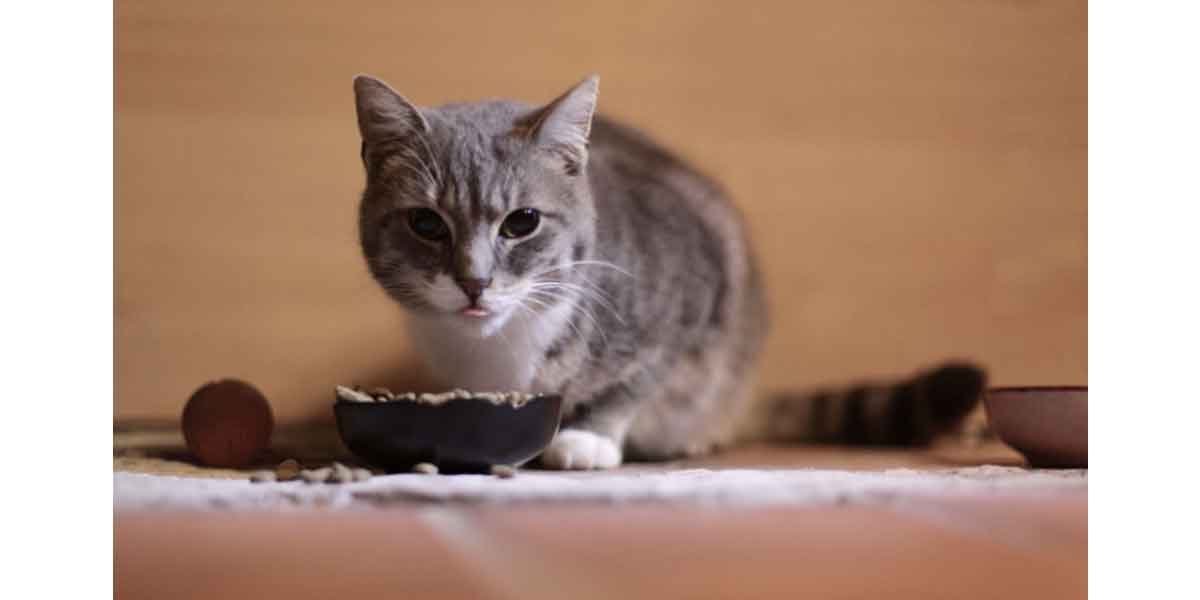
What goes into your pet’s body matters just as much as how they move it. The right nutrition can make a real difference in how comfortable they feel day to day.
Essential Nutrients for Healthy Joints
Omega fatty acids help reduce inflammation naturally. Glucosamine and chondroitin support cartilage health. Antioxidants protect cells from damage. And quality protein keeps muscles strong enough to support aging joints. Many senior pet foods include some of these ingredients, but they may not provide therapeutic levels.
Choosing the Right Supplement for Your Pet
This is where targeted supplements come in. Not all products are created equal, and what works for dogs may not be appropriate for cats. Look for supplements with clinically studied ingredients like Epiitalis, which supports the body’s natural cartilage production. For cats dealing with joint stiffness, 4CYTE Cat offers a gel formulation specifically designed for feline needs. It is easy to administer and contains plant-based active ingredients that many cat owners find effective. Always chat with your vet before adding anything new to your pet’s routine.
Creating a Comfortable Home Environment
Sometimes the simplest changes at home make the biggest impact on your pet’s daily comfort.
Simple Modifications for Better Mobility
Consider adding pet stairs or ramps to help your dog reach the couch or bed without jumping. Orthopedic beds with memory foam provide cushioning for achy joints during rest. If you have hard floors, non-slip mats in key areas prevent sliding and give your pet more confidence when walking. Raised food and water bowls reduce the strain on necks and shoulders during mealtimes.
Temperature and Rest Considerations
Cold weather tends to make joint stiffness worse, so keep your pet warm during cooler months. A cozy blanket or heated pet bed can work wonders. Make sure their favorite resting spots are away from drafts. Some pet owners also find that gentle massage helps improve circulation and provides comfort. Just a few minutes of soft rubbing around the shoulders and hips can help your pet relax.
Working with Your Veterinarian for Long-Term Wellness
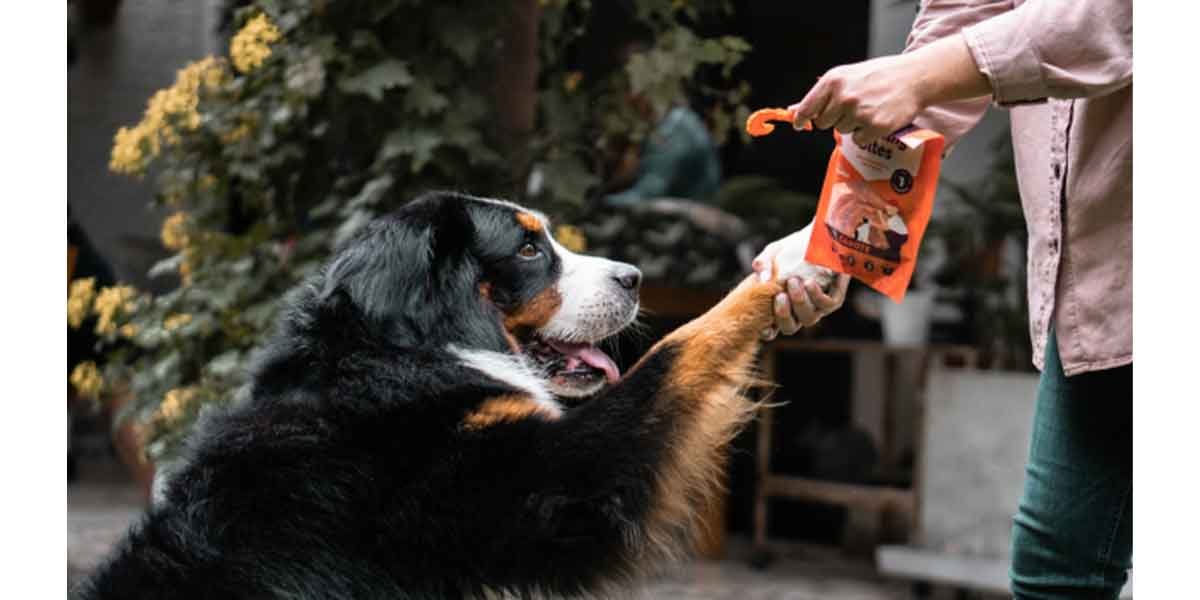
Your vet is your best partner in keeping your senior pet comfortable. Regular check-ups become even more important as pets age.
Regular Health Assessments
Senior pets benefit from visits every six months rather than once a year. These appointments give your vet a chance to catch problems early and adjust care plans as needed. Do not hesitate to mention any changes you have noticed at home, even small ones. X-rays or other diagnostics might be recommended to get a clearer picture of joint health.
Integrating Professional Advice with Daily Care
The best results come from combining veterinary guidance with consistent home care. Follow any prescribed treatments, maintain a healthy weight for your pet, and consider adding proven supplements to support their joints. For dogs showing signs of stiffness or reduced mobility, 4CYTE for Dogs is a veterinarian-recommended option that supports joint function and helps maintain an active lifestyle. Many pet owners use it alongside other therapies for comprehensive care.
Conclusion
Helping your senior pet stay active and comfortable is not about reversing time. It is about making each day as enjoyable as possible. By recognizing early signs of discomfort, encouraging gentle movement, providing proper nutrition and supplements, modifying your home, and working closely with your vet, you can give your furry companion the quality of life they deserve. These small daily efforts add up to big improvements in how your pet feels. Cherish these golden years together because with a little extra care, they can still be filled with tail wags, purrs, and plenty of happy moments.
Frequently Asked Questions
At what age is a pet considered senior?
Dogs typically enter their senior years around seven to eight years old, though larger breeds may age faster than smaller ones. Cats are generally considered seniors when they reach eleven or twelve years of age. Your vet can help determine where your specific pet falls on this spectrum.
How can I tell if my pet is experiencing joint pain?
Look for reluctance to jump, climb stairs, or engage in normal activities. Stiffness after resting, changes in gait, limping, and behavioral shifts like irritability or withdrawal can all indicate discomfort. If you notice these signs, schedule a vet visit for proper evaluation.
Are joint supplements safe for long-term use?
Quality supplements formulated specifically for pets are generally safe for extended use when given as directed. However, every pet is different. Always consult your veterinarian before starting any supplement, especially if your pet has other health conditions or takes medications.
Can diet alone support my senior pet’s joint health?
A balanced diet provides a good foundation, but most senior pets with joint concerns benefit from additional targeted support. Supplements can deliver therapeutic levels of ingredients that food alone may not provide in sufficient quantities.