
A lush backyard is not just something you admire from the kitchen window. It becomes an extension of your home. A place for weekend barbecues, quiet morning coffees, and kids running barefoot on the grass.
In Australia, keeping a backyard looking great all year can feel like a challenge. The weather shifts. Some months scorch, others surprise with cold snaps or heavy rain. The good news is that with the right approach, a beautiful backyard is absolutely achievable.
Let’s break it down into simple, practical steps that work in real Australian homes.
Understanding Your Climate and Soil Conditions
Australia’s Diverse Climate Zones
Australia does not have a one-size-fits-all climate. What thrives in Brisbane might struggle in Melbourne. Coastal areas, inland regions, and temperate zones all behave differently.
Understanding your local climate helps you make smarter choices from day one. It saves money, time, and frustration.
How Local Weather Impacts Plant Growth
Heat, rainfall, humidity, and frost all influence plant health. Some plants love hot summers but sulk in winter. Others prefer cooler conditions and steady moisture.
When you match plants to your environment, nature does most of the work for you.
Testing and Improving Your Soil Quality
Soil is the foundation of your backyard. Poor soil leads to weak plants, no matter how much you water or fertilise.
A simple soil test reveals pH levels and nutrient gaps. Adding compost or organic matter can dramatically improve soil structure and water retention.
Think of soil like a pantry. Stock it well, and everything thrives.
Choosing the Right Plants for Year-Round Beauty
Evergreen vs Seasonal Plants
Evergreens provide consistent colour and structure throughout the year. Seasonal plants bring bursts of interest at specific times.
A healthy mix gives you stability with moments of excitement. Just like a good playlist.
Native Australian Plants for Low Maintenance
Native plants are built for Australian conditions. They need less water, fewer fertilisers, and minimal fuss.
They also attract birds and pollinators, bringing your backyard to life naturally.
Mixing Textures, Colours, and Heights
Flat gardens feel boring. Mixing tall shrubs, ground covers, and feature plants adds depth.
Use contrast. Soft leaves next to spiky ones. Dark greens beside silvery tones. It keeps the space visually interesting all year.
The Importance of Proper Watering Techniques
How Much Water Does Your Backyard Really Need?
Overwatering is just as harmful as underwatering. Roots rot. Soil suffocates.
Water deeply but less often. This encourages strong root systems and drought resilience.
Smart Watering Schedules by Season
Summer demands more frequent watering, especially during heatwaves. Winter often needs very little.
Early morning watering reduces evaporation and helps plants absorb moisture efficiently.
Drip Irrigation and Water-Saving Solutions
Drip irrigation delivers water directly to the roots. It reduces waste and keeps foliage dry, lowering disease risk.
It is a smart investment for long-term backyard health.
Seasonal Lawn Care Tips
Summer Lawn Care Essentials
Summer lawns take a beating. Heat stress, foot traffic, and dry spells all add up.
Keep grass slightly longer to shade roots. Water deeply and avoid mowing during extreme heat.
Winter Lawn Protection
Growth slows in winter. This is not the time to push your lawn hard.
Reduce mowing, avoid heavy traffic, and let the lawn rest.
Mowing Heights and Frequency Explained
Different grasses need different mowing heights. Cutting too short weakens the lawn and invites weeds.
Think of mowing like a haircut. A trim keeps it healthy, not a shave.
Fertilisation: What, When, and How Much
Choosing the Right Fertiliser
Not all fertilisers are equal. Some boost leafy growth, others strengthen roots.
Choose based on what your plants actually need, not what looks impressive on the shelf.
Seasonal Fertilising Schedules
Spring and early autumn are prime feeding times. Plants actively grow and absorb nutrients efficiently.
Avoid heavy fertilising in extreme heat or cold.
Signs of Over-Fertilisation
Yellowing leaves, burnt edges, and excessive growth are warning signs.
More is not better. Balance is key.
Pest Control: Keeping Your Backyard Healthy
Common Backyard Pests in Australia
Aphids, caterpillars, beetles, and lawn grubs are common troublemakers.
Early detection makes control far easier.
Natural vs Chemical Pest Control
Natural methods protect beneficial insects and soil health. Chemical options can be effective but should be used sparingly.
Start gently and escalate only if needed.
Preventative Measures That Work
Healthy plants resist pests better. Good airflow, proper watering, and regular checks make a huge difference.
Prevention is always easier than a cure.
Designing for Year-Round Visual Appeal
Layering Plants for Continuous Interest
Design with seasons in mind. Some plants shine in summer, others in winter.
When one fades, another takes centre stage.
Creating Focal Points in Your Backyard
Focal points guide the eye. A feature tree, fire pit, or water element anchors the space.
This is where professional advice, including services like tree pruning Sydney, can help shape and maintain standout features safely.
Colour Planning Across Seasons
Choose plants that flower at different times. Mix foliage colours to carry interest even when blooms fade.
Your backyard should never feel empty.
Incorporating Hardscaping Elements
Paths, Decks, and Retaining Walls
Hardscaping adds structure and usability. It defines spaces and reduces maintenance.
Well-placed paths protect lawns and guide movement naturally.
Balancing Greenery with Structure
Too much hardscape feels cold. Too much greenery can feel chaotic.
Balance creates harmony.
Low-Maintenance Hardscape Ideas
Gravel areas, raised beds, and paved seating zones reduce upkeep while increasing functionality.
They also frame your plants beautifully.
Maintenance Tips for Different Seasons
Spring and Summer Maintenance Routines
Spring is all about preparation. Pruning, feeding, and planting set the tone for summer.
Summer focuses on monitoring. Watering, pest checks, and light pruning keep things under control.
Autumn and Winter Garden Preparation
Autumn is for cleanup and soil improvement. Winter is for rest and planning.
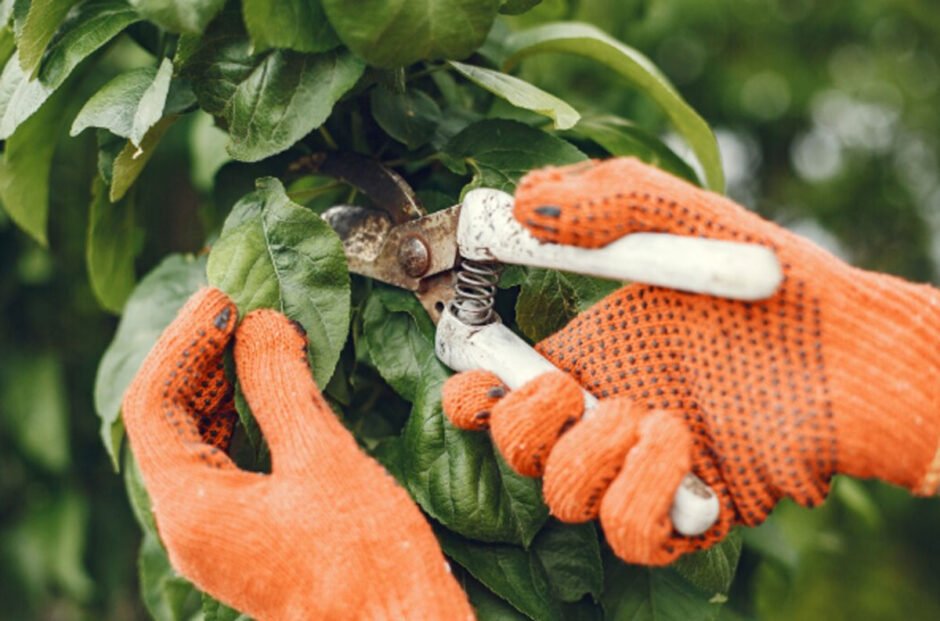
Strategic tasks like tree pruning services are often best scheduled outside peak growth periods.
When to Call in Professionals
Some jobs are better left to experts. Large trees, structural pruning, or persistent pest issues deserve professional care.
Knowing when to ask for help saves time and prevents costly mistakes.
Conclusion
A lush backyard does not happen by accident. It is the result of understanding your environment, choosing wisely, and maintaining consistently.
The process does not need to be complicated or overwhelming. Small, regular efforts add up over time.
Think of your backyard as a living system. Care for it thoughtfully, and it will reward you with beauty, comfort, and space to breathe all year round.