
Different termite species exhibit varying behaviors and damage patterns, which influence how infestations develop and present themselves. Subterranean termites, for example, require contact with soil, building mud tubes to travel safely between their colony and food sources. Drywood termites, on the other hand, live entirely inside wood, often going undetected because they do not require soil moisture. Recognizing these distinctions helps homeowners and professionals identify the infestation type and apply the most effective treatment methods.
Systematic and thorough inspections of areas prone to termite activity are crucial for early detection. These areas include foundation walls, crawl spaces, attic spaces, wooden framing, and places where wood touches soil. Beyond visual signs, subtle clues such as blistering on wood surfaces, the presence of discarded wings, or doors and windows that suddenly stick or do not fit properly can indicate active termite colonies. By staying vigilant and informed about these indicators, property owners can protect their buildings and ensure the safety of occupants.
Common Signs of Termite Damage
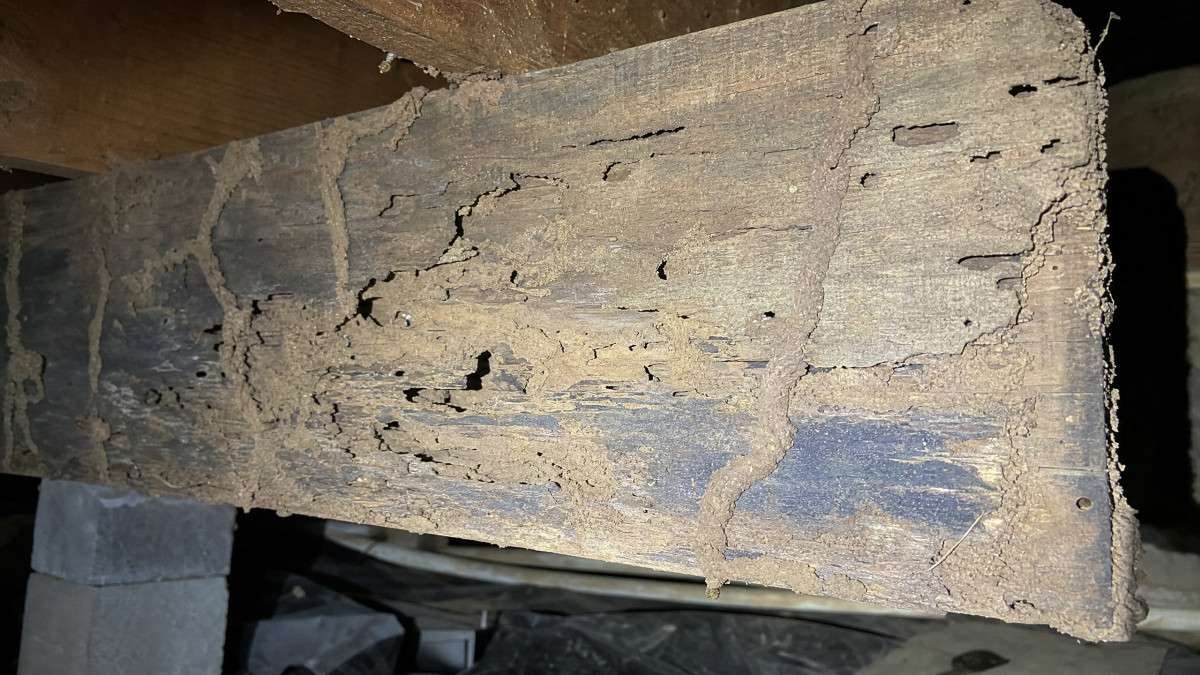
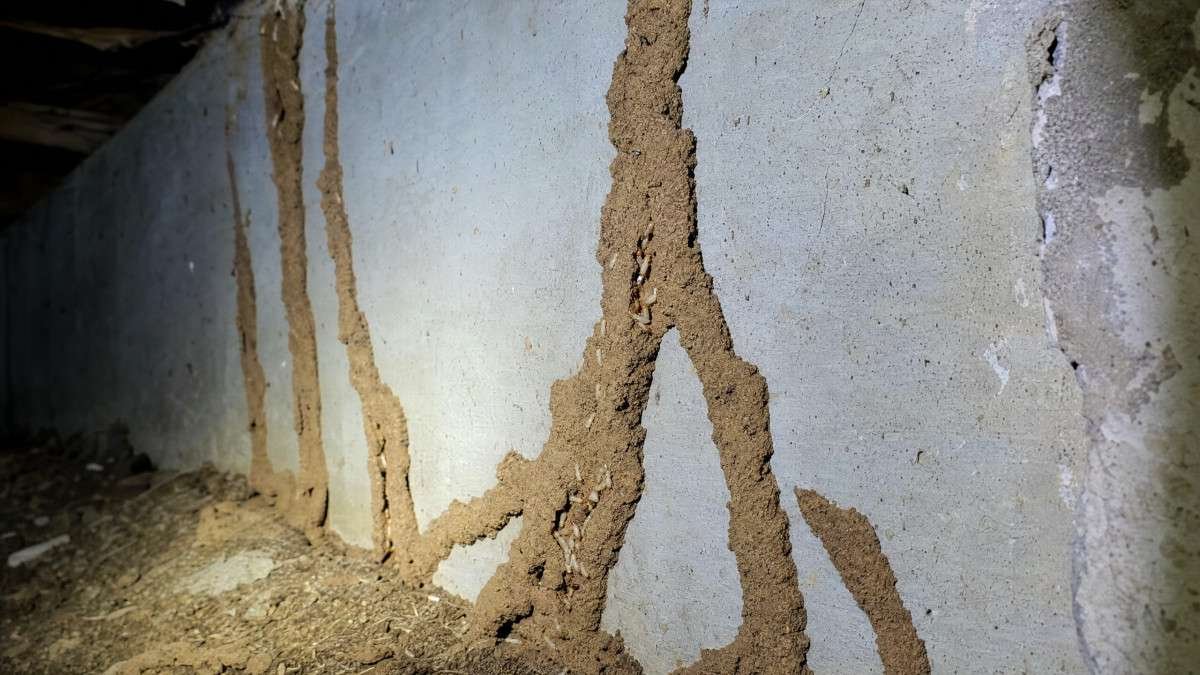
Identifying termite damage involves being attentive to several distinct physical indicators that reveal their presence. Mud tubes, often found running along foundation walls or crawl space piers, serve as protective tunnels for subterranean termites to travel safely between the soil and wooden structures. These tubes are typically narrow, pencil-thin, and constructed from a mixture of soil, wood particles, and termite saliva. Their discovery is a strong sign that termites are actively feeding nearby.
Hollow-sounding wood is another important clue. Termites consume wood from the inside out, leaving a thin outer layer intact, which can cause the wood to sound hollow when tapped. This differs significantly from the solid, dense sound of healthy wood. In addition, wood surfaces may appear blistered, darkened, or warped due to moisture retention caused by termite activity, which alters the wood’s texture and appearance. Accumulations of frass, or termite droppings, resemble fine sawdust or wood pellets and are often found near infested areas, serving as a telltale sign of drywood termite presence.
Discarded wings around windowsills, doorways, or near light sources also indicate termite swarming activity, which is part of their reproductive cycle. These wings are often shed by winged termites, or alates, when they leave their colony to establish new nests. Observing these wings inside or outside a structure signals that termites may have already established colonies within the wood. Additionally, tight-fitting doors and windows that suddenly become difficult to open can be symptomatic of termite damage causing wood to swell or warp. Recognizing and acting upon these signs early can prevent further deterioration and costly repairs.
Inspection Techniques for Detecting Termite Damage
Detecting termite damage effectively requires a methodical and comprehensive inspection of vulnerable areas within a property. One common technique involves probing wood members with a screwdriver or similar tool to identify soft or hollow spots beneath the surface. This simple approach can reveal hidden termite tunnels and damaged wood that might not be visible to the naked eye. Crawl spaces, attic framing, and structural joists are prime locations for such inspections since they are often dark, damp, and less disturbed.
Examining wood-to-soil contact points is particularly important because subterranean termites often use these junctions as entry points. Careful scrutiny of foundation walls, piers, and areas where wooden beams meet the ground can uncover the presence of mud tubes or initial signs of wood decay. Inspectors should also check window sills, door frames, and baseboards for tiny holes or the presence of discarded wings, which may indicate drywood termite activity. Doors and windows that suddenly fit tightly or become harder to open can be symptomatic of swelling due to termite infestation. Establishing a routine inspection schedule helps catch infestations early and limits the extent of damage over time.
Using additional tools such as moisture meters and infrared cameras can enhance the detection process. Moisture meters help identify damp wood that may attract termites, while infrared cameras can detect temperature differences behind walls that may indicate hidden infestations. Employing these technologies alongside manual inspection increases the likelihood of finding termites before visible damage becomes extensive. Engaging professional pest control experts for thorough inspections ensures that subtle signs are not missed and that appropriate treatment plans are devised promptly.
Causes and Conditions Leading to Termite Infestations
Several environmental and structural factors contribute to the likelihood of termite infestations developing in a property. The presence of wood directly contacting soil provides an easy entry point for subterranean termites, allowing them to access food sources without exposing themselves to predators or environmental hazards. Moisture-damaged wood is especially attractive to termites as it softens the wood fibers, making it easier to consume. Leaky plumbing, poor drainage, and inadequate ventilation can all increase moisture levels, creating an ideal habitat for termites to thrive.
Cracks, gaps, and unsealed openings in foundation walls and around utility conduits offer subterranean termites pathways into buildings. Wood debris, such as scrap lumber, tree stumps, and construction waste piled near foundations, serves as both a food source and breeding ground, encouraging termite colony establishment. Poor crawl space ventilation elevates humidity levels, further promoting termite survival and reproduction. By understanding these contributing factors, property owners can take proactive steps to minimize termite attraction and reduce the risk of infestation.
Another important cause involves landscaping choices and irrigation practices. Excessive watering around the foundation or planting shrubs and trees too close to the building can increase soil moisture and provide hidden moisture sources. Root systems may also create tunnels or cracks that allow termites to access the structure more easily. Additionally, climate and regional termite prevalence play a role, with warmer and more humid areas experiencing higher risks. Awareness of these environmental conditions supports targeted prevention and maintenance efforts to keep termites at bay.
Methods for Repairing and Treating Termite Damage
Treatment methods for termite infestations vary depending on the termite species and the extent of damage present. Liquid termiticide soil treatments are commonly used to establish chemical barriers in the ground, preventing subterranean termites from entering structures. These treatments, when applied correctly, can provide protection lasting from five to ten years. Bait stations offer a more targeted approach by attracting termites to consume slow-acting toxins that gradually eliminate entire colonies. These stations require ongoing monitoring and maintenance to remain effective.
Drywood termite infestations often necessitate fumigation, as these termites live entirely within wood and do not come into contact with soil. Fumigation involves sealing the entire structure and introducing a gas that penetrates all wood surfaces, eradicating termites throughout the building. While costly, fumigation is highly effective against drywood termites and ensures thorough colony elimination. Severely damaged structural members must be replaced or reinforced to restore the building’s strength and safety. Combining repair work with treatment prevents reinfestation and preserves the integrity of the property.
Additional treatments include localized wood injections with termiticides and heat treatments that raise the temperature of infested wood to lethal levels for termites. These methods can be useful in treating specific areas without the need for whole-structure fumigation. Repair efforts should be carefully planned to address both cosmetic and structural damage, including replacing compromised beams, joists, or framing. Using termite-resistant materials and applying protective coatings during repairs adds an extra layer of defense against future infestations.
| Treatment Method | Target Termite Type | Effectiveness Duration | Application Area |
|---|---|---|---|
| Liquid Termiticide Soil Treatment | Subterranean Termites | 5 to 10 years | Soil surrounding structure |
| Bait Stations | Subterranean Termites | Ongoing as maintained | Localized around structure |
| Fumigation | Drywood Termites | One-time treatment | Entire structure |
| Structural Replacement | All Termite Damage | Permanent with repair | Damaged wood members |
Preventative Measures to Avoid Termite Infestations
Preventing termite infestations requires addressing the environmental and structural factors that encourage their presence. Maintaining a minimum six-inch clearance between soil and wood siding or framing is critical in deterring subterranean termites. Eliminating wood-to-soil contact removes the termites’ most direct access point to the structure. Homeowners should also promptly repair leaks, improve drainage, and address any moisture issues to reduce wood dampness, which attracts termites. Storing firewood, lumber, and other wood debris away from the house prevents creating nearby termite habitats.
Regular professional termite inspections are invaluable for early detection and prevention. Annual assessments of vulnerable areas allow experts to identify subtle signs of termite activity and recommend timely interventions. Maintaining proper ventilation in crawl spaces reduces humidity levels, making conditions less hospitable for termite colonies. Sealing cracks and holes in foundation walls, around utility lines, and other entry points further limits termite access. Taken together, these preventative strategies create a multi-layered defense that significantly lowers the risk of infestation and preserves the structural integrity of the property.
Landscaping choices also play an important role in termite prevention. Avoiding planting shrubs or trees too close to the foundation reduces moisture retention near the building and minimizes root-related structural damage that can create termite entry points. Proper irrigation practices that prevent water accumulation near foundations are equally beneficial. Additionally, using termite-resistant construction materials and applying protective coatings during building or renovation can provide long-lasting protection. Combining these practical measures with routine maintenance offers the best chance to keep termites from invading your home or building.
Frequently Asked Questions About Termite Damage
How can I differentiate termites from ants?
Termites and ants may look similar at first glance but differ in several key physical traits. Termites have straight, bead-like antennae, while ants’ antennae are bent or elbowed. Wings of termites are equal in length and extend beyond their body, whereas ants have front wings longer than their hind wings. Additionally, termites have a broad waist, in contrast to the narrow, pinched waist of ants. Their coloration also varies, with termites appearing pale or cream-colored, and ants usually darker. Observing these features closely helps distinguish the pest responsible for damage.
Are DIY termite treatments effective?
DIY termite treatments may offer limited control for minor or early-stage infestations, but they often lack the thoroughness of professional solutions. Homeowner-applied products may not penetrate deeply into wood or reach hidden galleries where termites live, resulting in incomplete eradication. Professionals use specialized equipment and termiticides designed for long-lasting protection and comprehensive colony elimination. For serious infestations or structural damage, relying solely on DIY methods risks allowing termites to persist and cause further harm. Consulting with pest control experts ensures safe and effective treatment.
Does homeowner’s insurance cover termite damage?
Most homeowner’s insurance policies exclude termite damage coverage because it is considered preventable through proper maintenance. Termite damage typically occurs gradually over time and is viewed as a result of neglect rather than sudden accidental damage. Insurance companies expect homeowners to perform regular inspections and treatments to prevent infestations. While termite protection plans or warranties may be available separately, standard insurance does not reimburse for repairs caused by termite damage. Proactive prevention remains the best financial safeguard.
How long do termite treatments typically last?
Termite treatment longevity varies by method and environmental factors. Liquid termiticide soil treatments can protect a property for five to ten years when correctly applied and maintained. Bait stations require ongoing monitoring and replenishment to remain effective indefinitely. Fumigation is a one-time treatment that eradicates existing drywood termite colonies but does not prevent future infestations without additional protective measures. Regular inspections and retreatments are recommended to sustain termite control and prevent reinfestation over time.
What types of wood are resistant to termites?
Certain wood species and treatments enhance resistance to termite damage. Pressure-treated lumber is infused with chemicals that repel or kill termites on contact, making it a preferred choice for structural framing and outdoor applications. Naturally termite-resistant woods like cedar and redwood contain oils, resins, or compounds that deter termites and reduce infestation risk. Using these materials in new construction or repairs offers long-term protection, especially in high-risk areas. Combining resistant wood with proper construction techniques strengthens termite defense.
Conclusion
Detecting termite damage early involves recognizing a variety of subtle and obvious signs, including mud tubes, hollow-sounding wood, frass deposits, and discarded wings. Consistent inspections of vulnerable areas help uncover infestations before they cause significant structural damage. Understanding the behavioral differences between subterranean and drywood termites aids in targeting inspections and selecting appropriate treatment methods to effectively eliminate these pests.
Addressing the root causes of termite infestations, such as moisture problems and wood-to-soil contact, is essential to reduce future risks. Implementing preventative measures like maintaining proper ventilation, sealing entry points, and scheduling professional inspections creates a strong defense against termite invasion. Combining professional treatments with necessary repairs ensures the lasting protection and safety of residential and commercial properties for years to come.