
Singapore is accelerating its transition to electric mobility, and 2026 presents a crucial year for potential EV buyers. The government has extended key incentive programs while adjusting rebates to reflect the maturing EV market. Understanding these financial benefits can help you make an informed decision about switching to electric.
The landscape of EV incentives in Singapore is evolving rapidly. With the nation targeting 100% cleaner energy vehicles by 2040, the government continues to offer substantial savings to early adopters. However, these incentives are being gradually tapered as EVs become more mainstream and affordable.
The EV Early Adoption Incentive (EEAI): What’s Changed
The EEAI has been extended until December 31, 2026, but with a significant adjustment. Buyers registering electric cars in 2026 will receive a rebate of 45% off the Additional Registration Fee (ARF), capped at $7,500. This represents a reduction from the previous cap of $15,000, reflecting the government’s confidence in growing EV adoption.
This incentive automatically reduces your upfront cost when purchasing an EV. The rebate is applied directly during registration, meaning you’ll see immediate savings. For those considering a Denza electric car or other premium electric vehicles, this rebate substantially narrows the price gap with traditional combustion engine cars.
After 2026, the EEAI will cease entirely, starting January 1, 2027. This makes 2026 the last year to benefit from this specific incentive program. Buyers planning to switch to electric should carefully consider their timing to maximize savings.
Vehicular Emissions Scheme (VES): Electric-Only Rebates
The VES has been extended from January 1, 2026, through December 31, 2027, with significant policy changes. Most notably, only fully electric vehicles will qualify for rebates under the revised scheme. Hybrid vehicles, which previously enjoyed rebates, will no longer receive any VES benefits.
The revised VES banding structure means cleaner vehicles receive better treatment. EVs can receive rebates of up to $22,500, adding substantially to the overall savings package. Meanwhile, more pollutive vehicles face increased surcharges, reaching up to $35,000 in 2026 and $45,000 by 2027.
This dual approach of rewarding clean vehicles while penalizing polluting ones creates a powerful financial incentive. The gap between owning an EV versus a traditional car continues to narrow, making electric vehicles increasingly attractive.
Combined Savings: The Full Picture

When you combine the EEAI and VES rebates, the total savings become even more impressive. Buyers registering electric cars in 2026 can receive combined cost reductions of up to $30,000 off the ARF. Those who purchase in 2027 can still save up to $20,000, though without the EEAI component.
These figures represent maximum potential savings for qualifying vehicles. The actual amount depends on your specific vehicle model and its characteristics. Most mainstream EVs will qualify for substantial portions of these incentives.
The $0 ARF floor for electric cars and taxis will be maintained until December 31, 2027. This ensures that even after calculating all rebates, buyers won’t face unexpected ARF charges. This floor provides certainty and predictability in your purchase planning.
Road Tax Benefits for EV Owners
Beyond upfront purchase incentives, EV owners enjoy ongoing savings through revised road tax structures. Since January 1, 2022, road tax for fully electric cars in the 90-230kW bracket has been reduced. The goal is to ensure electric and ICE cars of similar makes pay comparable road tax.
This revision addresses a common concern among potential EV buyers. Previously, higher road taxes for some EVs partially offset purchase incentives. The adjusted framework creates more equitable treatment across vehicle types.
Annual road tax savings might seem modest compared to purchase rebates. However, over a typical 10-year ownership period, these savings accumulate to thousands of dollars. Combined with lower fuel and maintenance costs, EVs offer compelling total cost of ownership advantages.
Charging Infrastructure Support
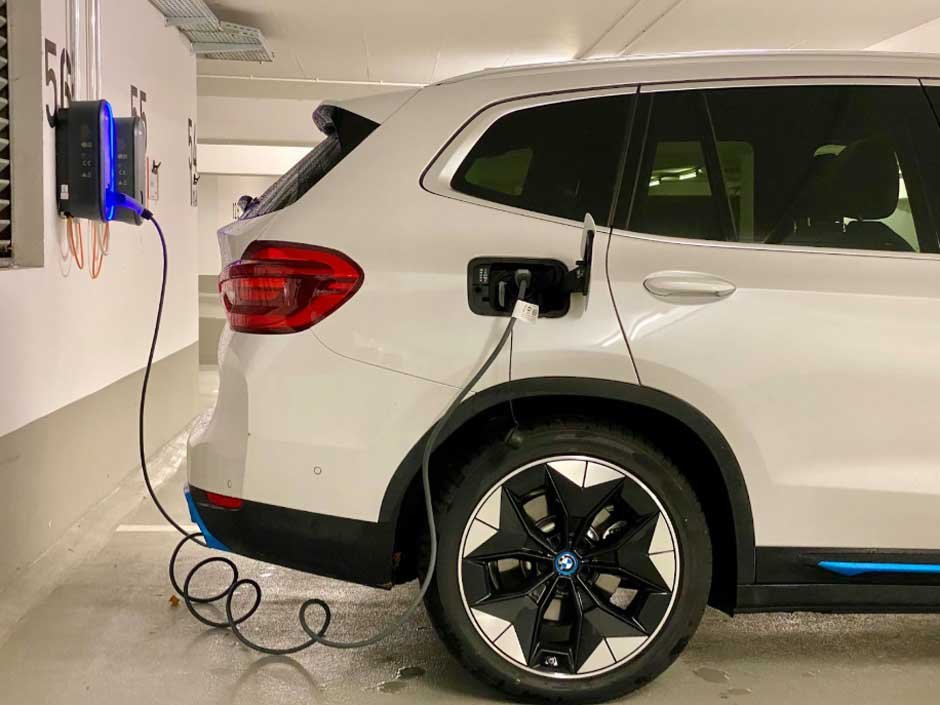
The government recognizes that accessible charging infrastructure is crucial for EV adoption. Singapore aims to deploy 60,000 EV charging points by 2030, with more than 60% of HDB carparks already equipped as of March 2025. This extensive network reduces range anxiety and makes daily EV use practical.
The EV Common Charger Grant (ECCG) has been extended until December 31, 2026. This grant co-funds up to 50% of installation costs for charging points at non-landed private residences like condominiums. The program has been expanded from 2,000 to 3,500 chargers, with the additional 1,500 chargers capped at $3,000 per unit.
For residents of landed properties or condominiums, installing home charging has never been more affordable. The grant significantly reduces the barrier to entry, making it feasible for building management committees to install shared charging infrastructure. This support ensures you’ll have convenient charging access regardless of your housing type.
Real-World Savings Scenarios
Let’s examine practical examples of how much you could save. Consider a mid-range electric SUV with an ARF value of $50,000. With the 45% EEAI rebate capped at $7,500 plus VES rebates, you could potentially save $20,000-$30,000 on your purchase.
For a premium electric MPV priced similarly, the savings percentage might be lower, but the absolute amount remains substantial. These rebates can cover several years of COE premiums or represent significant down payment assistance. The financial impact is immediate and tangible.
Even accounting for potentially higher COE premiums in 2026, the net savings remain attractive. The government acknowledges that short-term COE price increases are expected. However, buyers should focus on the long-term total cost of ownership rather than just upfront premiums.
Additional Cost Considerations
EVs offer savings beyond government incentives. Electricity costs for charging are substantially lower than petrol expenses, especially if you charge at home during off-peak hours. Many EV owners report fuel cost savings of 50-70% compared to equivalent combustion engine vehicles.
Maintenance costs for EVs are also significantly lower. Electric drivetrains have fewer moving parts than combustion engines, meaning less wear and tear. You’ll save on oil changes, transmission servicing, and exhaust system repairs expenses which add up considerably over time.
Insurance costs for EVs have become increasingly competitive. As insurers gain more data on EV safety and reliability, premiums are normalizing. Some insurers even offer specific EV insurance packages with favorable rates.
What Happens After 2026?
The tapering of incentives signals market maturity rather than reduced government support. By 2027, EVs are expected to reach price parity with combustion vehicles. The phasing out of the EEAI reflects this anticipated market evolution.
However, VES rebates will continue through 2027, maintaining support for EV adoption. Combined with the $0 ARF floor lasting through 2027, significant financial benefits remain. The transition is gradual rather than abrupt.
Long-term government policy remains clear: all new car and taxi registrations must be cleaner energy models from 2030 onwards. This mandate means EV adoption will accelerate regardless of incentive levels. Early adopters benefit from both incentives and beating the rush.
Heavy Vehicle Incentives (Bonus for Commercial Buyers)
Commercial vehicle operators have additional incentive programs. The Heavy Vehicle Zero Emissions Scheme (HVZES) launches January 1, 2026, offering $40,000 for zero-emission heavy goods vehicles or buses. This incentive is disbursed over three years to ensure continued operation.
The Electric Heavy Vehicle Charger Grant (EHVCG) co-funds up to 50% of charger installation costs. Capped at $30,000 per charger, this grant applies to the first 500 commercial chargers. For businesses managing fleets, these incentives dramatically improve the business case for electrification.
Commercial operators can achieve faster ROI on EV investments with these combined incentives. The operational savings from lower fuel and maintenance costs compound with upfront rebates. Fleet electrification becomes not just environmentally responsible but financially smart.
Maximizing Your Savings in 2026

To optimize your savings, purchase and register your EV before December 31, 2026. This ensures you receive the full EEAI benefit before it expires. Research eligible models carefully to understand which qualify for maximum VES rebates.
Consider the total cost of ownership in your calculations. Factor in fuel savings, maintenance reductions, road tax benefits, and potential COE savings over your ownership period. The true savings extend far beyond the initial rebates.
Act decisively but thoughtfully. While incentives are tapering, they remain substantial in 2026. The combination of EEAI, VES rebates, and infrastructure support creates a favorable environment for EV adoption. This window of maximum support won’t last forever.
The Bottom Line
Singapore’s EV incentives in 2026 can save you up to $30,000 on your electric vehicle purchase. When combined with ongoing operational savings and expanding charging infrastructure, the financial case for switching to electric has never been stronger. The government’s commitment to vehicle electrification provides certainty about future policy direction.
The incentive tapering shouldn’t discourage you it reflects the success of EV adoption rather than reduced support. EVs are becoming mainstream, and early adopters still enjoy the best financial benefits. If you’ve been considering an electric vehicle, 2026 represents an optimal time to make the switch.
Don’t delay your decision too long. With the EEAI ending after 2026 and incentives gradually decreasing, acting sooner maximizes your savings. Research your options, understand the incentives you qualify for, and experience the future of mobility while enjoying substantial government support.