
If your home feels uneven from room to room or your cooling bills keep rising, the attic could be a major reason. The attic is one of the largest sources of unwanted heat gain and heat loss in a house.
Eco-friendly attic insulation helps control that heat transfer. When installed correctly and paired with proper air sealing, it reduces drafts, supports more stable indoor temperatures, and lowers the workload on your HVAC system. This guide explains how attic insulation works, what R-value you actually need, and how to avoid the common mistakes that limit performance.
Why Does Attic Insulation Have Such a Big Impact on Energy Use?
Heat naturally moves from warmer areas to cooler ones. In hot climates, attic temperatures can climb well above outdoor air temperature during the day. Without adequate insulation, that heat passes through the ceiling and into living spaces.
In cooler months, warm air rises and escapes through gaps in the attic floor and roof assembly.
Proper attic insulation:
- Slows heat transfer through the ceiling
- Reduces cooling demand during long summer seasons
- Helps maintain more consistent room temperatures
- Lowers strain on HVAC components
According to the U.S. Department of Energy, adding insulation and sealing air leaks can reduce heating and cooling costs by around 10 to 20 percent in many homes, depending on existing conditions. Results vary based on climate, home size, and current insulation levels.
What Actually Makes Attic Insulation Eco-Friendly?
Eco-friendly insulation is not just about recycled content. It is about long-term performance and low emissions inside the home.
When comparing materials, look for:
- Recycled or renewable content
- Low VOC emissions
- No added formaldehyde
- Resistance to settling over time
- Moisture tolerance appropriate for your climate
Durability matters. If insulation settles significantly or becomes moisture-damaged within a few years, it loses performance and must be replaced. A longer service life reduces waste and improves overall efficiency.
Which Type of Attic Insulation Is Right for Your Home?
Most residential attics use one of four insulation types. Each has strengths and trade-offs.
Cellulose Insulation
- Made primarily from recycled paper
- Blown-in to fill irregular spaces
- Good at covering gaps and odd framing
Cellulose can settle if not installed at the correct density. It must remain dry to maintain performance.
Fiberglass Insulation
- Available in batts or loose fill
- Widely used and cost-effective
- Stable when installed without compression
Performance drops when batts are compressed or when gaps are left between sections.
Mineral Wool Insulation
- Resistant to heat and fire
- Holds its shape well
- Denser than fiberglass
It is less common in some regions and may cost more, but it performs consistently when installed properly.
Spray Foam Insulation
- Expands to seal air leaks and insulate
- Provides strong air barrier properties
Spray foam requires proper application and ventilation planning. It is typically used in specific applications rather than as a simple top layer over existing insulation.
The best choice depends on your attic layout, budget, climate zone, and whether existing insulation is being replaced or supplemented.
What R-Value Should Your Attic Have?
R-value measures resistance to heat flow. Higher numbers indicate better resistance.
In warmer regions, recommended attic insulation levels often fall between R-30 and R-49. Homes in very hot or very cold climates may require higher levels.
The correct R-value depends on:
- Your climate zone
- Current insulation depth
- Local building codes
- Whether ductwork runs through the attic
Keep in mind that the R-value on paper does not guarantee results. Uneven coverage, gaps, or compressed insulation can significantly reduce real-world performance.
Why Is Air Sealing Just as Important as Insulation?
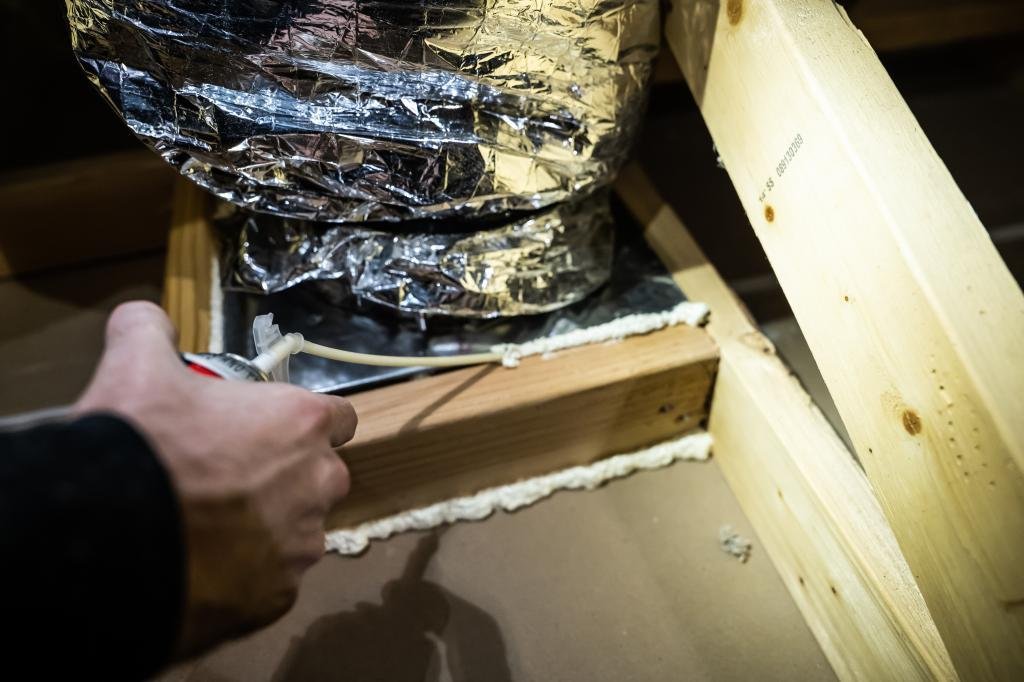
Insulation slows heat transfer, but it does not stop air movement. Air leaks allow conditioned air to escape and hot attic air to enter living areas.
Common air leak locations include:
- Attic hatch or pull-down stairs
- Plumbing and wiring penetrations
- Recessed lighting fixtures
- Open framing cavities
- Duct joints
Sealing these areas before adding insulation creates a more continuous thermal boundary. Without air sealing, even thick insulation may not deliver noticeable comfort improvements.
When Is It Better to Replace Insulation Instead of Adding More?
In many cases, you can add insulation over an existing layer. This works when the current insulation is:
- Dry
- Clean
- Evenly distributed
- Free of pest contamination
Replacement is the better option if insulation is:
- Wet from roof leaks or condensation
- Flattened and heavily compacted
- Contaminated by rodents
- Missing across large sections
Always fix the underlying issue first, such as a roof leak or entry point, before installing new insulation.
How Do Rodents Affect Attic Insulation?
Rodents can significantly reduce insulation performance. They tunnel through material, compress it, and contaminate it with droppings and nesting debris.
This leads to:
- Reduced insulation depth
- Lower R-value
- Odors and potential air quality concerns
Addressing rodent damage involves sealing entry points, removing affected insulation when necessary, and restoring proper coverage depth. Homeowners researching attic insulation in Fountain Hills often face this issue due to the dry climate and roofline access points common in the area.
What Should a Professional Attic Inspection Include?
A proper attic evaluation should focus on measurable conditions, not guesswork.
A thorough inspection typically includes:
- Measuring insulation depth at multiple locations
- Identifying low or thin areas
- Checking for air leaks and draft pathways
- Evaluating ventilation balance
- Inspecting ductwork located in the attic
- Using thermal imaging when needed
Thermal imaging can reveal temperature differences that point to hidden gaps or compressed sections.
If broader upgrades are being considered, it may also make sense to assess walls and other areas of the home. Homeowners comparing residential insulation in Fountain Hills often review whole-home performance rather than focusing on the attic alone.
A Practical Approach to Improving Attic Comfort
Eco-friendly attic insulation works best when it is part of a clear plan:
- Seal air leaks first
- Verify ventilation is functioning properly
- Install the correct R-value for your climate
- Confirm even coverage across the attic
When these steps are followed, homeowners often experience more consistent indoor temperatures, reduced cooling demand, and lower overall energy waste.
For homeowners in Fountain Hills who are dealing with aging insulation, rodent contamination, or crawl space concerns, Roberts Insulation Solutions provides attic and crawl space services focused on insulation upgrades, decontamination, and rodent proofing. Working with a specialist who understands local building conditions can make the process more straightforward and help address underlying issues rather than just adding more material on top.
Attic insulation is not complicated, but it does require attention to detail. Small gaps and uneven sections can undermine even high-quality materials. Taking the time to address the attic properly can make a noticeable difference in comfort and energy use for years to come.