
The connection between what we eat and the health of our planet runs deeper than most people realise. Every meal represents a choice with consequences that extend far beyond personal nutrition. The land used to grow ingredients, the water consumed in production and the emissions generated through supply chains all contribute to the environmental footprint of our daily diet.
Understanding this relationship does not require dramatic lifestyle overhauls. It begins with awareness and builds through gradual shifts in how we think about food. Small changes in eating habits can accumulate into meaningful environmental impact when practiced consistently over time.
The Environmental Case for Plant Forward Eating
Agriculture accounts for a significant portion of global greenhouse gas emissions. Animal farming in particular requires substantial resources including land for grazing and feed crops, water for livestock and processing, and energy for transport and refrigeration.
Plant based foods generally require fewer resources to produce. Growing vegetables, grains and legumes uses less land and water per calorie than raising animals for meat or dairy. The mathematics become clear when examining how many plant calories go into producing a single calorie of animal protein.
This does not mean everyone must become strictly vegan to make a difference. Even partial shifts toward plant based eating create measurable benefits. Choosing plant forward meals several times per week reduces individual environmental footprint without requiring complete dietary transformation.
The concept extends to all food categories including celebratory treats. Options like vegan cakes demonstrate that plant based alternatives now exist across virtually every food category. Special occasions no longer require choosing between values and enjoyment. Celebration and sustainability can coexist on the same table.
Water and Land Use Considerations
The resources required to produce different foods vary dramatically. A kilogram of beef requires thousands of litres of water when accounting for the grain the animal consumes, the water it drinks and the processing involved. Plant proteins like lentils or chickpeas need a fraction of that amount.
Land use follows similar patterns. Pasture for livestock and fields for animal feed occupy vast areas that could otherwise support diverse ecosystems or direct human food production. As the global population grows, the efficiency of our food system becomes increasingly important.
This is not about demonising any particular food. It is about understanding the true cost of what we consume and making informed choices based on that knowledge. Some people will choose to reduce animal products significantly. Others might simply become more thoughtful about when and how often they include resource intensive foods.
Both approaches contribute to a more sustainable food system when practiced by enough people.
The Hidden Impact of Food Processing
How food reaches our plates matters as much as what food we choose. Highly processed products often travel long distances, require extensive packaging and involve energy intensive manufacturing. These factors add to environmental impact regardless of whether the ingredients are plant or animal based.
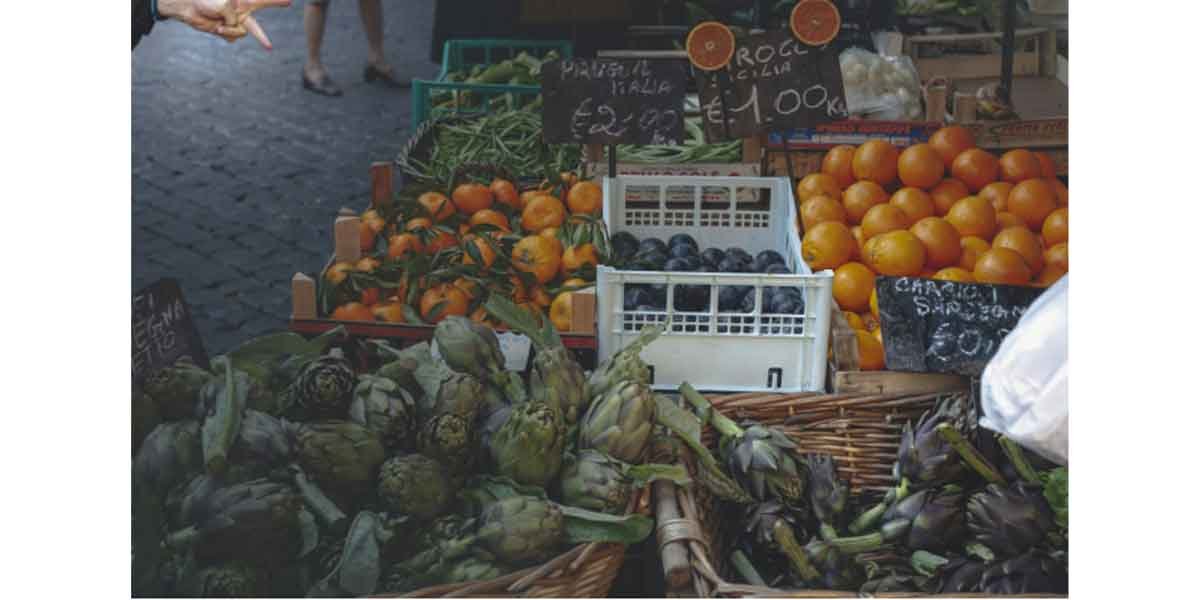
Choosing less processed options where possible reduces this secondary footprint. Whole foods require less packaging and fewer processing steps. Locally sourced ingredients travel shorter distances. Seasonal produce avoids the energy costs of greenhouse growing or long distance shipping.
This does not mean avoiding all processed foods. Modern life rarely allows for cooking everything from scratch. The goal is awareness rather than perfection. Understanding which choices carry greater impact allows for informed decisions when options exist.
Conscious Snacking and Ingredient Awareness
Snacking habits deserve particular attention. The convenience food industry has traditionally prioritised shelf stability and flavour over ingredient quality or environmental considerations. Many common snacks rely on palm oil, excessive packaging and ingredients sourced from monoculture farming operations.
More thoughtful alternatives have emerged as consumer awareness has grown. Products made from whole vegetables with minimal processing offer nutrition without unnecessary additives. Items like beetroot snacks represent this shift toward simpler ingredient lists and vegetable forward options.
Reading labels becomes a form of environmental awareness. Shorter ingredient lists often indicate less processing. Recognisable whole foods suggest simpler supply chains. Understanding what goes into snacks helps align convenient eating with broader values.
The packaging question matters too. Single serve portions create more waste than larger packages divided at home. Recyclable or compostable materials reduce landfill contribution. Some producers now offer refill options or minimal packaging approaches.
Supporting Ethical Food Production
Where food comes from matters alongside what food we choose. Industrial agriculture often prioritises efficiency over environmental stewardship. Monoculture farming depletes soil health. Synthetic inputs can contaminate waterways. Transportation networks generate emissions moving products across continents.
Alternative approaches exist across the food system. Regenerative farming practices build soil health rather than depleting it. Organic certification ensures certain synthetic inputs are avoided. Local food networks reduce transportation distances. Small scale producers often maintain more sustainable practices than industrial operations.
Supporting these alternatives with purchasing choices sends market signals that influence future production. When consumers demonstrate willingness to seek out and pay for sustainably produced food, more producers respond to that demand.
This does not require researching every item in the shopping basket. Focusing on a few categories where sustainable options exist creates impact without overwhelming effort. Starting with produce, then perhaps expanding to grains or proteins, allows gradual learning about available alternatives.
The Cumulative Power of Small Changes
Individual dietary choices might seem insignificant against global environmental challenges. One person skipping meat for a meal appears meaningless when millions of tonnes of animal products are produced annually.
This perspective misses how change actually happens. Cultural shifts begin with individuals making different choices. Those choices influence family and friends. New behaviours normalise over time. Market demand responds to accumulated consumer preferences.
The environmental movement has always worked this way. Recycling began with early adopters whose habits eventually became mainstream expectation. Reusable shopping bags followed similar patterns. Plant forward eating is currently moving through this same adoption curve.
Being part of that shift matters even when individual impact seems small. Every choice that prioritises sustainability contributes to the larger cultural movement toward more conscious consumption.
Building Sustainable Habits Gradually
Dramatic dietary changes rarely stick. People who attempt overnight transformations often return to previous habits when willpower fades or life becomes stressful. Sustainable change requires sustainable approaches.
Starting with one meal per day or one day per week creates manageable entry points. Exploring new recipes makes plant forward eating feel like discovery rather than deprivation. Finding satisfying alternatives to favourite foods builds positive associations.
The goal is not perfection but direction. Moving toward more sustainable eating over time matters more than achieving some ideal immediately. Progress that continues beats perfection that collapses.
Celebrating small victories maintains motivation. Each plant based meal chosen represents a positive decision. Each conscious snack reflects growing awareness. These moments accumulate into habits that reshape daily life without constant effort.
Looking Forward
The relationship between food and environment will only grow more important as climate change accelerates and populations increase. The choices we normalise today shape the food system of tomorrow.
Eating with the planet in mind does not require sacrifice or suffering. It invites curiosity about where food comes from and consideration of its journey to our plates. It opens exploration of delicious plant based options that previous generations never knew. It connects daily life to larger purposes that extend beyond individual nutrition.
The table can be a place where values and pleasure meet. What we eat can nourish both body and planet when chosen with awareness and intention.