
There is a specific kind of joy that comes with driving past a gas station in 2026.
You see the digital price sign ticking upward, the lines forming at the pumps, and you just keep driving. For the millions of Americans who have made the switch to Electric Vehicles (EVs) in the last few years, this freedom is the primary selling point. We have traded oil changes for software updates and gas pumps for charging plugs.
But for many, that initial victory lap is followed a month later by a sobering realization: the arrival of the electricity bill.
We are in the midst of the great “electrification of everything.” We are replacing gas furnaces with heat pumps, gas stoves with induction cooktops, and internal combustion cars with EVs. We are moving all our energy eggs into one basket—the electric grid. And that basket is getting expensive.

The hidden cost of the all-electric home
When you park an EV in your driveway, you are effectively attaching a second house to your electric meter. A typical electric vehicle can double a household’s annual energy consumption.
To sustain this new lifestyle without doubling your monthly expenses, adopting solar power for your home ceases to be just an eco-friendly gesture and becomes a financial necessity. It is the only way to ensure that you are actually saving money on “fuel,” rather than just paying your utility company what you used to pay for the gas station.
The math is simple but brutal. Charging your car from the grid at 35 cents per kWh—a common peak rate in states like California, Massachusetts, or New York—erodes your savings. In some cases, high-rate grid charging can actually cost more per mile than driving a hybrid gas vehicle. But charging your car from your own roof for free? That is the dream. It’s the difference between renting your fuel and owning the well.
The “level 2” challenge
However, there is a technical hurdle that most first-time solar buyers miss until it is too late. It isn’t about how much energy you can store; it’s about how fast you can release it. It’s called power output.
Many older or entry‑level home battery systems were designed at a time when backup power needs focused on keeping essentials running, such as lights, communications, and refrigeration, rather than high continuous output for things like EV chargers or large motors.
Imagine this scenario: It’s a hot July evening. You come home from work, plug in your Ford F-150 Lightning, and walk inside. The central air conditioning kicks on to cool the house down. Suddenly, the lights go out. You haven’t lost grid power; you’ve tripped your battery’s inverter.
If you try to charge your car and run your central AC at the same time on a standard battery, the system fails. It simply cannot push enough electrons down the wire to satisfy both hungry appliances. You are back in the dark, forced to choose between a cool house and a charged car.
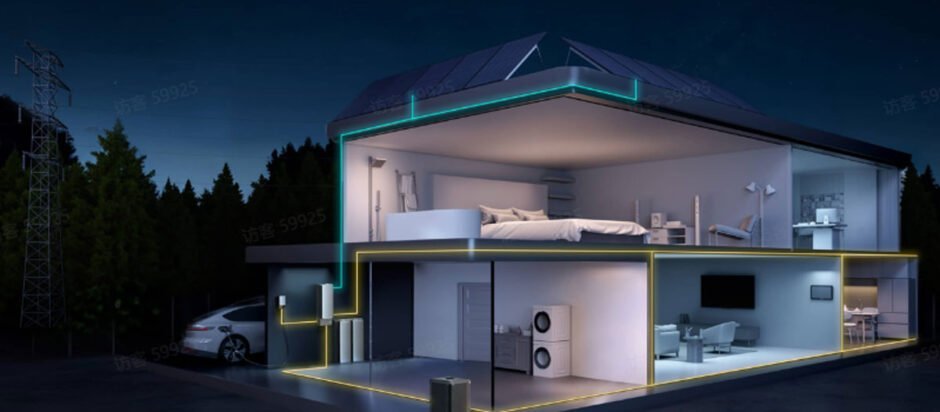
This is why the EcoFlow OCEAN Pro Solar Battery System has become the go-to standard for the EV-equipped home in 2026.
To unlock the system’s full potential, the OCEAN EV Charger is the essential final piece of the puzzle. Designed exclusively for use with the OCEAN Pro, this 11.5kW charger allows you to channel your stored solar energy directly into your vehicle. By utilizing the EcoFlow Assistant to schedule charging during off-peak hours or when solar production is at its peak, you can maximize your savings and ensure your EV is always ready for the road.

Muscle where it matters
The OCEAN Pro is designed to handle the real-world demands of a fully electrified home. With a 24kW continuous output, it provides enough capacity to run heavy-duty appliances without constant compromise.
Practically, this means you can power high-load items like a 5-ton central air conditioner or a heat pump while keeping the rest of the house running. It supports a modern lifestyle—including EV charging—so that during an outage, your home functions normally. You don’t have to constantly monitor every light switch or strictly ration your energy just to cook dinner or keep the house cool.
Speed is the new currency
The other side of the coin is input. If you drain your battery while charging your car overnight, how fast can you recharge it the next day?
In a grid-down scenario—or just a cloudy week in the Pacific Northwest—you need a system that drinks in sunlight as fast as possible. The OCEAN Pro supports an industry-leading 40kW solar input.
This capacity changes the game for resilience. It means you can recharge your battery banks at incredible speeds during short windows of sunlight between storms. It transforms your home into a legitimate, self-sustaining “gas station.” You harvest the sun aggressively during the day, store it in the OCEAN Pro’s scalable LFP batteries (which can grow from 10kWh up to 80kWh), and then dump that free energy into your car at night.
The “Fuel” economy: A stark comparison
When you look at the raw numbers of fueling an EV over a decade, the difference between renting your power from the grid and owning it via the Ocean Pro is staggering.
| Metric | Grid Charging (The “Renter” trap) | Ocean Pro Solar Charging (Ownership) |
| Cost per “Gallon” (e-gallon) | $1.80 – $2.90 (and rising annually) | $0.00 (after initial install) |
| Rate Stability | Volatile: Subject to peak pricing & rate hikes | Fixed: Sunlight price never changes |
| Availability | Vulnerable: Stops during grid outages | Secure: 24/7 availability independent of grid |
| 10-Year “Fuel” Outlook | You pay $12k – $18k to the utility with zero equity. | You pay $0 in monthly fuel costs. |
The Ocean Pro changes the equation. You aren’t hoping for a rebate; you are investing in a tangible asset. Instead of bleeding cash monthly to a utility monopoly that rents you electrons at a premium, you are pre-paying for decades of fuel. The ROI doesn’t come from a tax form—it comes from every monthly bill you don’t have to pay.
Independence in a volatile world
There is a final, psychological benefit to pairing your EV with an OCEAN Pro. It’s the “Zombie Apocalypse” factor.
We live in an era of increasing volatility. If the grid goes down for a week due to a hurricane in Florida, a cyberattack in the Northeast, or a deep freeze in Texas, your gas-driving neighbors are stranded. The pumps at the gas station don’t work without electricity.
But you? You have a solar generator on your roof and a massive battery in your garage. You can generate your own fuel. You remain mobile.
In 2026, true freedom isn’t just about owning an electric car. It’s about owning the electricity that powers it. By closing the loop with a high-capacity system like the EcoFlow OCEAN Pro, you stop being a customer of the grid and start becoming the CEO of your own energy.
Drive on sunshine. It’s cheaper, it’s cleaner, and unlike the pump down the street, it never runs out.