
Introduction
Fleece baby sleepwear is soft, warm and comfortable looking- but that does not work. Fleece is not a natural fabric. It is constructed using petroleum based fibers, which implies that it is plastic. By putting synthetic fleece on their babies, the parents are enveloping the babies in a product that is fossil-powered, adding directly to the problem of plastic pollution and climate destruction.
Due to the increasing awareness about ocean contamination, chemical exposure, and plastic waste, most parents are wondering about what is being put on the skin of their babies during the most delicate sleep schedules. Man-made baby clothes are not only bad for the environment, they have serious health and safety implications. The move towards petroleum-free fibers is no longer a specialty; it is a mandatory move to families who are concerned about the environment and infant health.
To ensure safety of the oceans and their offspring, most parents are now opting for eco-friendly baby sleepwear made from natural, biodegradable and biodegradable materials that cannot release plastic in waters with each washing.
Synthetic fleece can be comfortable, however, its cost to the environment, as well as its effect on safe sleep, makes natural fibers the only really responsible option.
The Reality Check of Microplastic
Synthetic fleece has been identified to be among the greatest contributors of microfiber shedding during domestic laundry. Whenever the polyester sleepwear is washed, they discharge thousands of microscopic plastic particles into the water system. These fibers resemble microplastics, which are so minute that they do not go through filters of wastewater treatment at all.
When discharged, microplastics flow down rivers and streams and eventually find their way into the sea. There they are consumed by planktons, fish and sea mammals. Microplastics are not biodegradable, they accumulate in the ecosystems and food chains, they are also loaded with toxic chemicals. This pollution continues over centuries.
Fleece especially is dangerous as the brushed texture causes more fiber to be lost. One synthetic sleep sack is able to reverse the various eco-friendly habits just because it is being washed each time. It is not some theoretical matter but a factual, quantifiable problem with the environment.
The conclusion is obvious: the polluting of the planet by the pajamas of your baby even after outgrowing them is unacceptable. Synthetic fleece is made of plastic, which is not a part of a sustainable nursery.
Health Check: Why Synthetics Fail the “Sleep Test”
In addition to the negative environmental effect, synthetic fleece does not stand the test of breathability where babies sleep. Fibres that are made out of petroleum such as polyester cannot permit free flow of air. They keep them confined against the skin instead.
To sleep safely, babies are dependent on thermoregulation, or the body of the babies to maintain temperature. The possibilities of overheating are more probable when the process of sleepwear disrupting it comes to play. The fact that overheating is one of the recognized risk factors of Sudden Infant Death Syndrome (SIDS) indicates that the fabric choice is more than a comfort choice.
Plastic fibers may also cause moisture to accumulate in the skin causing sweat rashes, eczema outbreak and skin irritation. Synthetic fleece may be subjected to chemical applications to give the impression of being soft or control moisture in the air, which causes extra exposure hazards to sensitive infant skin.
Natural fibers assist in thermoregulation because they allow the air to circulate, and release moisture. Plastic-based fabrics fail miserably when it comes to safe sleep.
The Alternative that is Sustainable: Bamboo Rayon
Bamboo rayon is a solution that takes into consideration the environmental and health issues. Bamboo is the renewable resource, fast growing, and that needs minimal water in comparison to traditional cotton and is able to regenerate without planting.
Bamboo rayon is a biodegradable fabric unlike polyester. It goes back to the earth when its lifecycle is complete rather than disintegrating into microplastics. This is why it is a much better option to the families that attempt to minimize their impact on the environment.
It is necessary to practice responsible sourcing. FSC Certified Bamboo provides that bamboo will be harvested without destroying ancient forests as well as endangered forests. OEKO-TEX’s 100% certification ensures that the finished textile is free of toxic chemicals- this is important when dealing with baby products that are worn over a long duration.
The contrast between bamboo rayon and polyester cannot be seen in stronger terms: one of them promotes life cycles and ecosystems; the other one encourages plastic pollution and reliance on chemicals.
Brand Spotlight: SwaddleAN’s Plastic-Free Approach
SwaddleAN was developed as the direct opposite to the synthetic-heavy baby dresses industry. The brand also relies on bamboo rayon instead of petroleum-based fibers to produce fibers that are biodegradable and breathable as well as safe on sensitive skin to make baby sleep clothes.
Their bamboo sleep sack is well-designed and they add warmth to your body without entrapping any heat thus it truly becomes an alternative to polyester fleece. The fabric will aid thermoregulation which will keep the babies cool without overheating.
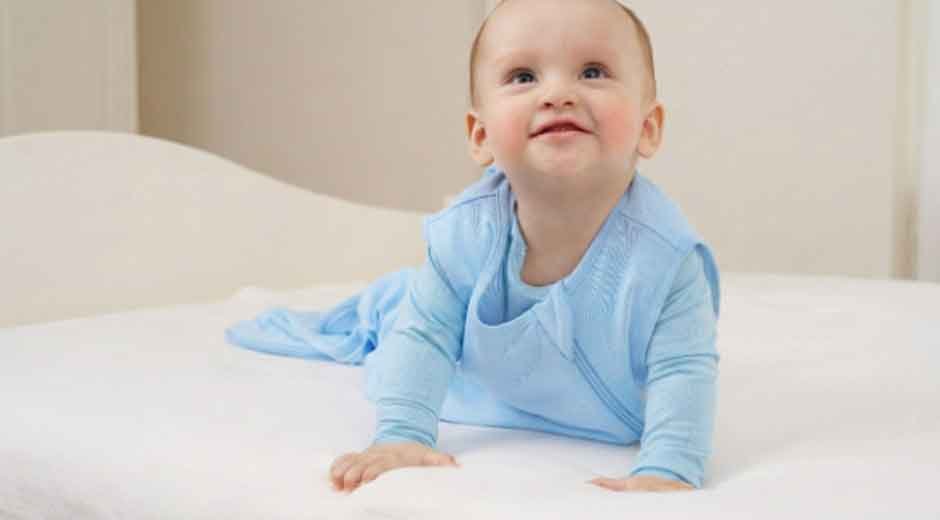
The bamboo sleep sacks made by SwaddleAN are:
- Permeable, to allow free passage of air.
- Wicking dry, starch-free methods of keeping babies dry.
- Free of allergens, can be used on sensitive, eczematous skin.
These sleep sacks are crafted with durability as the aim, which will make them long-lived – they will prompt fewer purchases and combat the trends of gender-based lifelessness. Viable attributes such as a double zipper are functional features that do not jeopardize sustainability.
Such is anti-greenwashing in its purest form, certified material, transparent sourcing, and products that truly decrease the environmental harm.
Conclusion
Look at the labels of the clothes in the wardrobe of your baby. When you read 100% Polyester, what you are reading is plastic, plastic which releases microfibers, alters thermoregulation, and causes permanent pollution.
The option of using natural and biodegradable baby sleepwear is among the easiest to embrace by parents in their role of reducing the impact of microplastic pollution and at the same time promoting safer sleep. Such choices can be petty and their effectiveness is not.
The material we use now determines the environment that our children will be inheriting tomorrow. Switching synthetic fleece to plastic-free options is a positive move towards a cleaner ocean, a healthier planet and safer sleep by the next generation.