
Understanding How Dishwashers Dry
To troubleshoot the problem, it helps to understand how dishwashers dry dishes. Most modern dishwashers use one of two methods:
- Heated Drying: A heating element at the bottom of the tub heats the air inside, evaporating the moisture from the dishes.
- Condensation Drying: The dishwasher uses the residual heat from the final hot water rinse. The stainless steel tub cools faster than the dishes, causing moisture to condense on the tub walls and drain away.
Common Causes and Simple Fixes
Before calling a repair technician, check these common, easily resolvable issues:
1. Not Using Rinse Aid
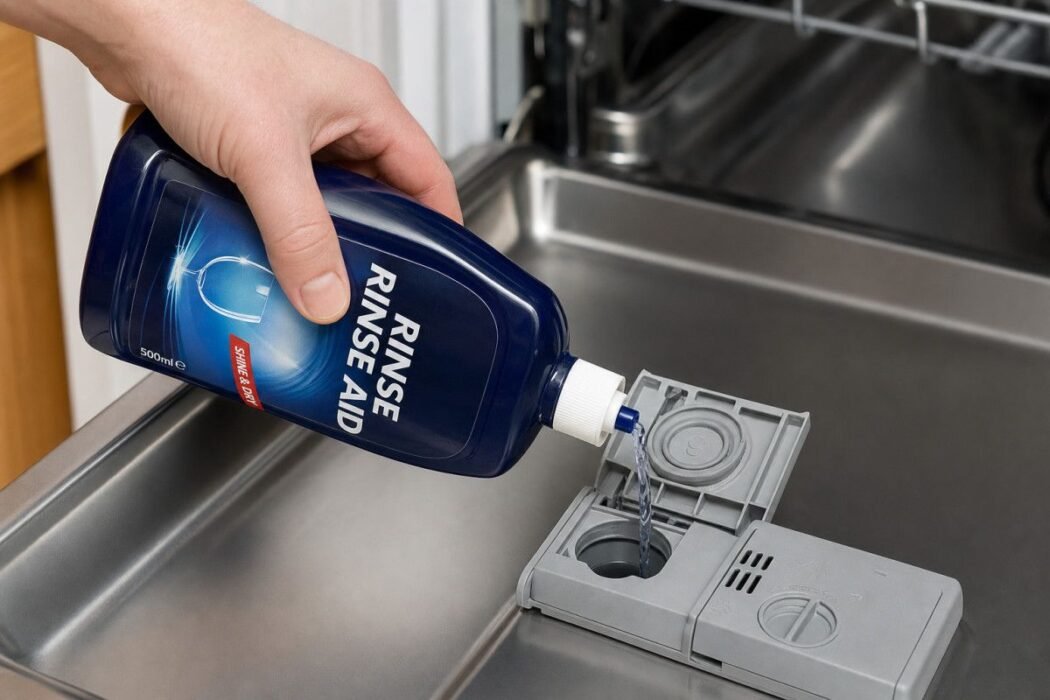
Rinse aid is arguably the most critical factor in modern dishwasher drying performance. It breaks the surface tension of water, allowing it to sheet off dishes rather than forming droplets. If your dishes are wet, especially plastics, check your rinse aid dispenser and refill it if necessary.
2. Improper Loading
Overcrowding the dishwasher prevents air from circulating effectively. Ensure dishes are not nested together and that there is adequate space between items. Place cups and bowls at an angle so water does not pool on their concave bottoms.
3. Unloading the Top Rack First
Water often pools on the tops of mugs and glasses in the upper rack. If you unload the top rack first, this water can spill onto the dry dishes in the lower rack. Always unload the bottom rack first.
4. Plastic Items
Plastic does not retain heat as well as glass or ceramic. In condensation drying systems, plastics will almost always remain somewhat wet because they cool down too quickly for the moisture to evaporate.
Mechanical Issues to Investigate
If you are using rinse aid and loading correctly, but your dishes are still wet, you may have a mechanical issue.
1. Failing Heating Element
If your dishwasher uses heated drying, the heating element may be burned out. You can visually inspect the element (the metal ring at the bottom of the tub) for blistering or breaks. A multimeter can be used to test the element for continuity.
2. Malfunctioning High-Limit Thermostat
The high-limit thermostat acts as a safety device, shutting off the heating element if the dishwasher gets too hot. If this thermostat is faulty, it may shut off the heat prematurely, preventing the dishes from drying.
3. Broken Vent or Fan
Many dishwashers use a vent to release hot, humid air during the drying cycle. Some also use a fan to assist in expelling this air. If the vent fails to open or the fan motor is broken, the moisture will remain trapped inside the tub, leaving your dishes wet.
| Component | Function | Sign of Failure |
|---|---|---|
| Heating Element | Heats air/water | Element is visibly damaged or lacks continuity |
| High-Limit Thermostat | Regulates temperature | Shuts off heat prematurely |
| Vent/Fan | Expels humid air | Vent door stuck closed; fan makes no noise |
When to Call a Professional
While checking the rinse aid and adjusting your loading habits are easy DIY fixes, diagnosing and replacing a heating element, thermostat, or vent assembly requires some technical skill and a multimeter. If you are not comfortable working with electrical appliances, it is best to call a qualified appliance repair technician.
Frequently Asked Questions
Why are my plastic containers always wet in the dishwasher?
Plastic does not retain heat like glass or ceramic. Because modern dishwashers rely heavily on the residual heat of the dishes to evaporate water (condensation drying), plastics cool down too quickly, leaving water droplets behind.
Does opening the dishwasher door help dishes dry?
Yes. Opening the door slightly immediately after the cycle finishes allows the hot, humid air to escape and fresh air to circulate, significantly improving drying performance, especially for condensation drying models.
How often should I refill the rinse aid?
Most dishwashers have a rinse aid indicator window. You should check it regularly and refill it when it appears empty, typically every few weeks depending on your usage.
Is heated dry bad for my dishes?
Heated drying is generally safe for most dishes, but it can warp or melt thin plastics placed on the bottom rack. It also consumes more energy than condensation drying.
Why is there water left in the bottom of my dishwasher?
A small amount of clean water under the filter is normal to keep the pump seals from drying out. However, standing water covering the bottom of the tub indicates a drainage issue, not a drying issue.
Conclusion
A dishwasher that leaves dishes wet is a common annoyance, but it is rarely a sign that the appliance needs to be replaced. By ensuring you are using rinse aid, loading the dishwasher correctly, and understanding the limitations of drying plastics, you can resolve most drying issues. If mechanical problems arise, targeted repairs can restore your dishwasher’s performance and save you from the chore of hand-drying.