
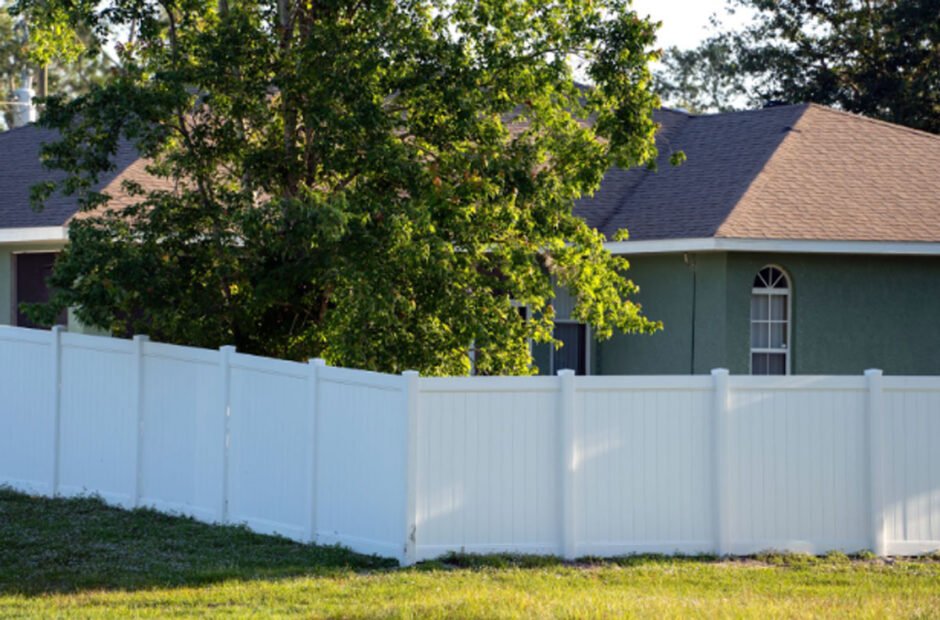
Installing a vinyl fence is a popular choice for homeowners across Washington. Vinyl offers privacy, durability, and a clean look without the heavy upkeep required by some other fencing materials. But while vinyl fencing is often described as “low maintenance,” it’s not always described as “low cost.”
Budgeting properly before installation can help you avoid surprises, plan smarter, and make choices that fit both your property and your finances.
This guide breaks down what affects vinyl fence costs in Washington and how homeowners can plan a realistic budget from start to finish.
Why Vinyl Fencing Is a Popular Choice in Washington
Washington’s climate plays a big role in fencing decisions. Rain, moisture, and seasonal temperature changes can wear down many materials faster than expected.
Vinyl fencing stands out because it:
- Does not rot or warp
- Resists moisture damage
- Holds color well over time
- Requires little ongoing maintenance
While the upfront cost may be higher than wood, many homeowners choose vinyl for its long-term value.
Understand What Impacts the Overall Cost
Before setting a budget, it’s important to understand what actually goes into the final price of a vinyl fence.
Key cost factors include:
- Total fence length
- Fence height
- Style and panel design
- Property layout and slope
- Soil condition
- Permit requirements
Every property is different, so costs can vary widely even within the same neighborhood.
Fence Style Plays a Big Role in Pricing
Not all vinyl fences cost the same. The style you choose directly affects materials and labor.
Common vinyl fence styles include:
- Full privacy panels
- Semi-privacy designs
- Picket-style fencing
- Decorative top rails
Privacy styles typically use more material, which increases cost. Decorative features may also add to the total budget.
Homeowners exploring vinyl fencing options for residential and commercial properties often find that choosing a simpler design helps control costs without sacrificing quality.
Measure Carefully to Avoid Overpaying
One of the most common budgeting mistakes is underestimating or overestimating fence length.
To budget accurately:
- Measure the full perimeter where fencing is planned
- Account for gates and access points
- Include setbacks required by local regulations
- Consider shared fence lines with neighbors
Accurate measurements help prevent material waste and last-minute changes.
Don’t Forget About Gates
Gates are often overlooked during early budgeting, but they can add noticeable cost.
Gate pricing depends on:
- Width and height
- Hardware quality
- Single or double gate design
- Placement and access needs
If your property requires multiple entry points, be sure to include them early in the budget.
Labor Costs Vary by Property Conditions
Labor costs are not one-size-fits-all. Certain site conditions can increase installation time and complexity.
Factors that affect labor include:
- Sloped or uneven terrain
- Hard or rocky soil
- Existing fence removal
- Landscaping obstacles
Homes on hillsides or with mature landscaping often require more planning, which can affect overall pricing.
Permits and Local Rules Can Affect Your Budget
Many Washington cities and counties require permits for fencing, especially for taller structures or front-yard installations.
Permit considerations may include:
- Height limits
- Property line setbacks
- HOA requirements
- Visibility rules near streets
Permit fees are usually small, but delays or redesigns can impact both budget and timeline if not planned ahead.
Think Long-Term, Not Just Upfront Cost
A lower upfront price doesn’t always mean better value. Vinyl fencing tends to cost more initially but saves money over time.
Long-term savings come from:
- No painting or staining
- Fewer repairs
- Long material lifespan
- Consistent appearance
Many homeowners working with teams experienced in long-lasting fence installation solutions prioritize durability to avoid future replacement costs.
Plan for Removal of Existing Fencing
If there’s already a fence on the property, removal should be factored into the budget.
Removal costs depend on:
- Fence material (wood, chain link, metal)
- Post depth
- Disposal requirements
Removing an old fence can add to labor time, especially if posts are set deeply or reinforced with concrete.
Budget for Minor Extras That Add Up
Small additions can quietly increase the final price if they aren’t planned in advance.
Common extras include:
- Decorative post caps
- Reinforced corner posts
- Custom colors or textures
- Upgraded hardware
Decide early which features matter most so you can allocate funds intentionally.
Timing Can Influence Costs
Seasonal demand affects fencing schedules in Washington. Spring and summer are peak times, which may affect availability and pricing.
Budget-friendly timing tips:
- Plan projects during slower seasons
- Schedule early to avoid rush fees
- Allow flexibility in timelines
Planning ahead gives homeowners more options and less stress.
Get Clear, Detailed Estimates
A good estimate breaks down costs clearly instead of offering a single lump sum.
Look for estimates that include:
- Material specifications
- Labor scope
- Timeline expectations
- Permit handling
- Warranty details
Clear estimates help homeowners compare options fairly and avoid misunderstandings later.
Avoid Cutting Corners That Cost More Later
Trying to reduce costs by skipping important steps can lead to expensive fixes down the road.
Common mistakes include:
- Poor post depth
- Skipping ground prep
- Using lower-grade materials
- Ignoring drainage issues
A properly installed vinyl fence should stay strong and level for many years.
Final Thoughts
Budgeting for vinyl fence installation in Washington is about more than picking a number—it’s about understanding what goes into the project and making informed choices.
By planning ahead, choosing the right design, and accounting for site conditions, homeowners can install a vinyl fence that fits both their property and their budget.
With the right preparation, vinyl fencing offers a clean, durable, and low-stress solution that holds up well in Washington’s climate.