
🐟 Discover the Betta Elephant Ear, a graceful betta variety known for large, flowing fins, calm movement, and refined beauty. Learn about appearance, care, and behavior. 🌿✨
The Betta Elephant Ear is a distinctive variety of betta fish recognized for its oversized pectoral fins and calm, flowing movement. This type of betta attracts attention through form and motion rather than speed or dramatic behavior. In a well-prepared aquarium, the fish presents a composed and elegant appearance. This appeals to both casual fish keepers and experienced hobbyists. Its popularity has grown steadily, not through novelty, but through consistent visual appeal and manageable care needs.
Defining Physical Features
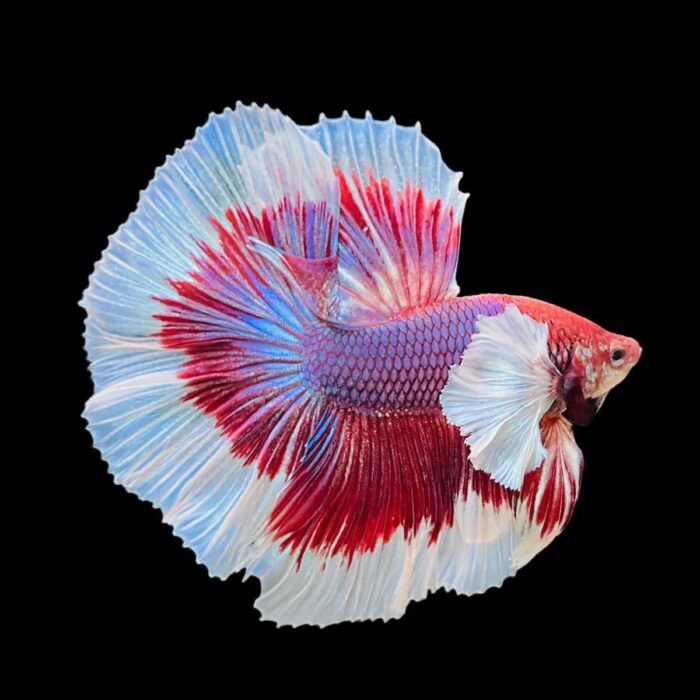
The most recognizable trait of the Betta Elephant Ear lies in its pectoral fins. These fins extend outward from each side of the body and are far broader than those found on standard bettas. Their rounded shape and soft texture give the impression of gentle fans moving through water. When the fish swims, these fins move in a slow and steady rhythm, producing a gliding motion rather than sharp turns or rapid bursts.
The body itself follows the familiar betta shape, slender with a smooth profile. Tail and dorsal fin forms vary depending on breeding lines. Some individuals display long, flowing tails, whereas others carry shorter, more compact fins. Across all variations, the enlarged pectoral fins remain the defining feature that sets this variety apart.
Color Range and Visual Character
Betta Elephant Ears appear in a wide range of colors and patterns. Solid shades such as white, blue, red, and black are common, though many fish show mixed tones across the body and fins. The pectoral fins often appear paler or more translucent than the rest of the fish, which draws focus to their size and movement.
Under steady lighting, subtle changes in color can be seen as the fish shifts direction. This gentle variation adds depth to its appearance without appearing dramatic or overstated. The overall look remains balanced, with no single feature overpowering the rest of the fish.
Behavior and Daily Activity
In temperament, the Betta Elephant Ear aligns closely with other betta varieties. It shows territorial tendencies and usually thrives when kept alone. Calm tank mates may be possible in larger setups, provided they do not nip fins or compete aggressively for space.
Movement within the tank tends to be unhurried. The fish often pauses near plants, rests close to the substrate, or remains near the surface for short periods. Rising to the surface is a normal behaviour linked to its ability to breathe air. This pattern of activity gives the fish a relaxed presence within the aquarium.
Tank Arrangement and Space
A suitable tank setup supports both comfort and appearance. Calm water conditions suit this variety well, as strong currents interfere with natural movement and may cause stress. Gentle filtration that maintains clean water without excessive flow works best.
Decor choices affect fin condition over time. Smooth ornaments and soft plants reduce the risk of tears to the large pectoral fins. Sharp edges or rough materials often lead to damage that takes time to heal. Adequate swimming space allows the fish to move freely and display their natural behavior without restriction.
Water Quality and Stability
Consistent water conditions contribute to long-term health. A stable temperature and clean environment support steady activity levels and color clarity. Partial water changes carried out on a regular schedule help maintain balance and prevent waste buildup.
Observation plays a key role in care. Clear eyes, intact fins, and smooth swimming patterns indicate good health. Changes in posture, appetite, or fin condition often signal that adjustments to water quality or tank setup are needed.
Feeding and Routine Care
The Betta Elephant Ear feeds readily on high-quality betta food designed for surface feeding. A measured feeding routine helps maintain water cleanliness and prevents digestive issues. Small portions offered once or twice a day suit the fish’s natural habits.
Occasional treats such as frozen foods add variety without disrupting routine care. Any uneaten food should be removed after feeding to maintain a clean environment and stable water conditions.
Long-Term Care and Development
With attentive care, the Betta Elephant Ear can live for several years. Over time, fin structure may become more defined, and color tones may deepen. Gentle maintenance practices help preserve fin quality, particularly during tank cleaning or relocation.
Handling should remain minimal, as stress affects both behavior and appearance. A stable routine allows the fish to settle into its environment and display its full visual character.
Conclusion
The Betta Elephant Ear stands out through proportion, movement, and balance rather than intensity or speed. Its oversized pectoral fins and composed swimming style create a calming visual presence within an aquarium. When housed in a thoughtfully arranged tank with stable conditions and careful feeding, this variety remains healthy and visually striking over time. Through steady care and observation, the Betta Elephant Ear continues to offer quiet elegance and lasting appeal.