
From strong winds to hail and heavy rains, storms can cause lots of damage. Sometimes, they bring some serious roof problems to your homes, even when everything looks fine from the outside. Subtle roof damage happens often. More often than you’d think. A few missing granules or a tiny leak here and there might not seem very important, but they can quickly cause water damage, mold, or expensive repairs. That’s why you should always pay close attention to your roof after a storm hits.
Why Subtle Roof Damage Isn’t Always Obvious?
After a storm passes, many homeowners step outside, look up at their roof, and feel relieved that everything looks fine. When nothing is obviously missing or broken, it’s easy to think that everything is still in place. However, some roof damage takes time before it starts to appear. For example, strong winds can loosen roof shingles without completely tearing them away. Hailstorms can damage the protective surface of a roof without much evidence. These tiny issues make homeowners think their roofs are still perfect, but they actually aren’t.
Also, there are types of roof damage that won’t show up until moisture gets into the home. If by chance there’s a small leak in your attic, it can go unnoticed for a long time before water stains show up. That’s why, as a homeowner, you shouldn’t trust visible damage alone. While a tiny issue might seem harmless, it has the potential to weaken your roof’s structure and shorten its lifespan completely. Thus, to be on the safe side, you need to make sure your roof gets inspected after heavy storms, preferably by professionals. Fortunately, Bay Property Management Group Austin Texas can coordinate with roof inspectors since they are proactive in maintaining the property.
Subtle Warning Signs of Roof Damage
Exterior Damage
Without a doubt, roof inspection is a necessary part of maintaining the home. It’s possible that after a storm, your roof may show small exterior warning signs that hint at deeper problems. For starters, you could notice cracked, curled, or missing shingles around certain areas of the roof after a storm. Don’t brush them off as nothing, because they can grow into worse issues. In addition, loose flashing near vents or chimneys is a minor issue, but it can eventually cause entry ways for water to get into your home. Roofing materials like tiles and metal roofing are also designed to withstand the elements. However, as time passes, their protective surfaces can wear down. Thus, keep an eye out for clogged gutters filled with shingle granules. They often mean your roofing materials are wearing down faster than normal.
Sagging sections or uneven roof lines may mean that there’s structural weakness beneath the surface. That’s right, even debris from nearby trees may weaken roofing materials and create openings for moisture. Therefore, as a homeowner, you should never overlook any minor issues that pop up on your roof after a storm.
Interior Damage
When people think about roof damage, they usually imagine shingles falling off or really bad leaks. But the truth is, some interior warning signs are much more subtle. These signs don’t always look urgent. For example, some homes could develop a musty smell before visible leaks even appear.
Yet another thing to look out for is an unexplained rise in energy bills. This may point to hidden roof damage because gaps in the roof can affect insulation and ventilation. So when you spot unusual changes in your home after a storm, you should take them very seriously before the damage spreads further.
How Can Property Managers Help Evaluate and Document Damage?
Regular Roof Inspections
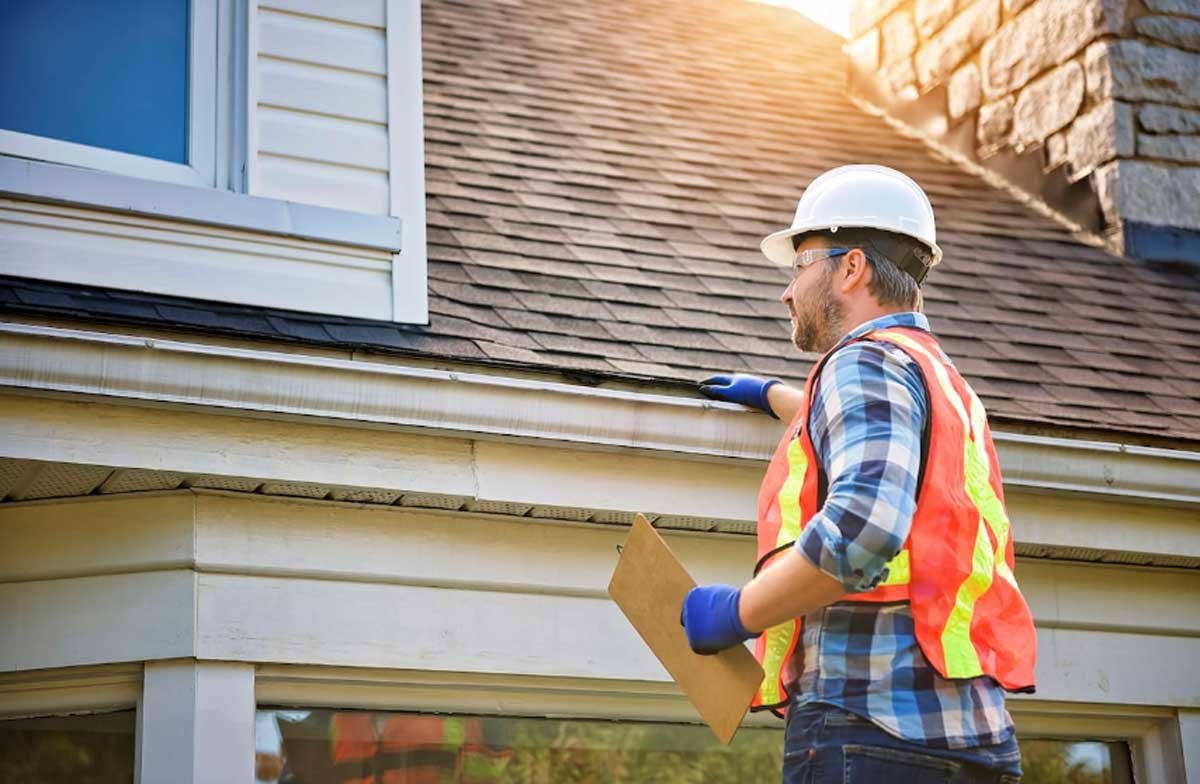
Now, let’s look at how property managers can help evaluate and document roof damage. It’s actually quite common for property managers to assist in finding roof damage after a storm. After all, they work with professional inspectors. Early detection plays a role in repairing roof damage to avoid incurring more costs. Thus, regular roof inspection will help you spot small issues before they grow. So when property managers check roofing materials, gutters, flashing, and attic spaces consistently, the likelihood of there being hidden damage reduces.
Proper Documentation and Repair
Besides regular roof inspections, property managers also document roof damage properly. Keeping detailed maintenance records is sort of in the job description. Luckily, these records can be used for insurance purposes in the future. Besides that, property managers also work together with roofing contractors to make sure repairs happen as soon as possible.
Conclusion
In conclusion, subtle roof damage after a storm can create serious problems for your home if you ignore the warning signs. While some issues look minor at first, they can slowly lead to leaks, mold, insulation problems, and costly structural repairs over time. That’s why you should always inspect your roof carefully after severe weather conditions. In addition, paying attention to both exterior and interior warning signs helps you catch damage early before it becomes worse. When you take action quickly, you protect your home, reduce repair costs, and keep your roof in good condition for a longer time.