
Chimney inspections are fundamental to maintaining a safe and efficient fireplace system within any home. A detailed inspection evaluates the physical and functional condition of various chimney components, including the flue liner, mortar joints, chimney cap, flashing, and damper. It also identifies any creosote buildup that could pose serious fire hazards or carbon monoxide risks. Routine inspections help uncover hidden issues that may not be visible to the untrained eye, allowing homeowners to address problems before they escalate into costly or dangerous situations.
Homeowners often rely on professional chimney inspections to ensure their fireplaces operate as intended, providing warmth and ambiance without compromising safety. These inspections offer peace of mind, guaranteeing that the chimney’s structure and internal components remain intact and effective. In addition to preventing fire hazards, proper chimney maintenance also protects the home from water damage and animal intrusion, which can cause long-term deterioration. Keeping up with inspections is a proactive step toward preserving the fireplace’s performance and longevity.
Scheduling regular chimney inspections is especially important because chimney conditions can change over time due to weather exposure, wood-burning habits, and aging materials. Even chimneys that appear sound externally may harbor internal damage or creosote deposits that reduce ventilation efficiency and increase risks. Understanding the elements involved in a thorough chimney inspection empowers homeowners to make informed decisions about maintenance and repairs, ultimately fostering a safer home environment and more reliable heating source.
Levels of Chimney Inspection
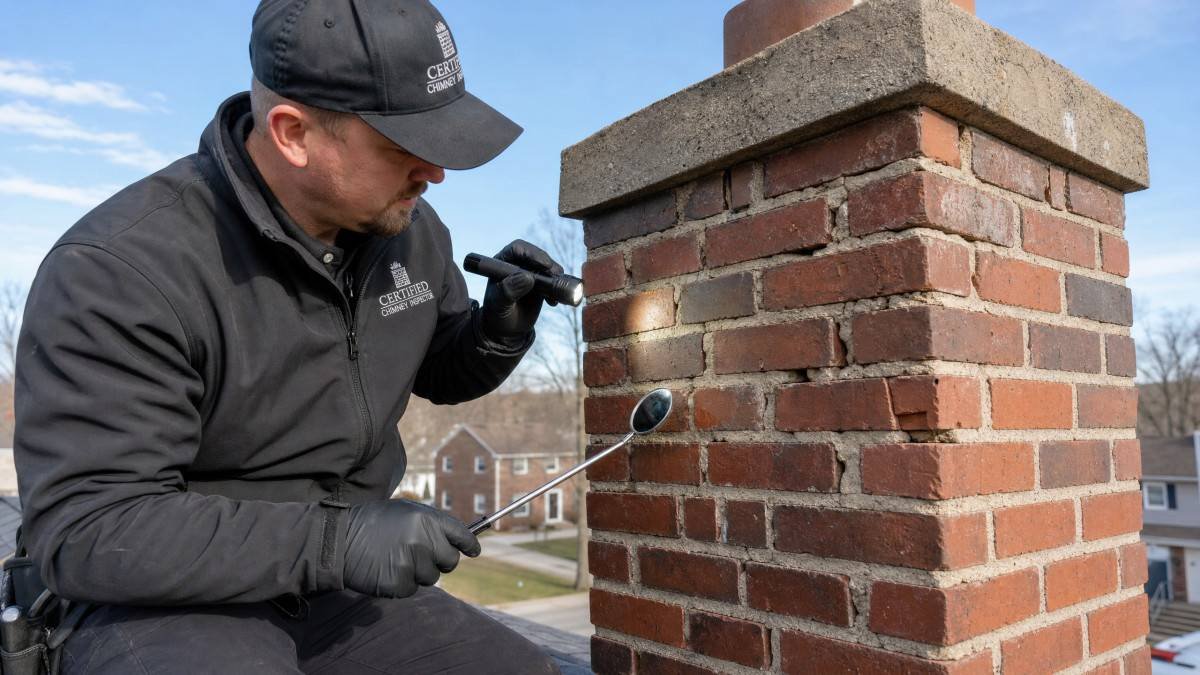
Chimney inspections are categorized into three levels that vary in scope and detail based on the inspection’s purpose. Level 1 inspection is the most basic, involving a visual examination of the chimney’s accessible components to identify obvious issues. It is generally recommended annually to detect any signs of deterioration or blockage.
Level 2 inspections offer a more comprehensive evaluation by incorporating video scanning of the flue liner and checking areas not accessible during Level 1. This level is mandatory when buying or selling a home to ensure safety compliance. Level 3 inspections are the most invasive, involving the removal of parts of the chimney structure to investigate hidden damages that may not be detectable otherwise. These are reserved for cases where severe damage is suspected.
Each inspection level plays a crucial role in the maintenance cycle of a chimney system. While Level 1 inspections serve as routine checkups to catch early signs of wear, Level 2 inspections provide deeper insight into internal conditions that could affect resale or property value. Level 3 inspections, although less common, are indispensable when structural integrity is in question, involving methods that can uncover hidden cracks, blockages, or other serious defects that threaten the chimney’s safety and function.
Choosing the appropriate inspection level depends on the age and condition of the chimney, recent repairs, or changes in usage patterns. Knowing the distinctions between these levels helps homeowners plan for necessary assessments and budget accordingly. It also ensures that the chimney remains compliant with local building codes and safety standards, which can be critical for insurance and liability purposes.
Key Inspection Points During a Chimney Exam
During a chimney inspection, several critical areas must be closely examined to determine overall condition and safety. One of the primary focuses is the flue liner, which channels combustion gases safely outside. Inspectors check for cracks, gaps, or deterioration that could lead to dangerous leaks or fires. The brickwork and mortar joints are also assessed for damage such as spalling, cracking, or missing mortar that compromise structural integrity.
The chimney cap and crown are inspected to ensure they prevent water infiltration and animal entry. Flashing at the roof line is examined to verify it forms a watertight seal between the chimney and roof. The damper’s functionality is tested to confirm it opens and closes properly, controlling airflow and preventing heat loss. Additionally, inspectors look for creosote buildup, a flammable residue from wood burning that poses a significant fire risk if excessive.
Inspectors also evaluate the chimney’s overall alignment and stability, looking for signs of leaning or shifting that could indicate foundation or settling issues. The interior of the firebox is checked for cracks or deterioration that might affect combustion safety and efficiency. Proper ventilation and draft are assessed to ensure smoke and gases are effectively expelled, minimizing indoor air quality concerns. These detailed assessments help determine if repairs are necessary to maintain safe operation.
Another important element involves checking for signs of animal nesting or blockages caused by debris such as leaves or bird nests, which can obstruct airflow and lead to dangerous buildup of smoke or carbon monoxide inside the home. Inspectors may also assess the chimney’s insulation and compatibility with the type of fuel used, which impacts performance and safety. Overall, a meticulous evaluation of these components helps maintain the chimney’s functionality and prevents costly damage down the road.
Common Signs of Chimney Problems
Identifying warning signs during an inspection helps detect problems before they escalate. One visible indicator is white staining or efflorescence on the exterior brick, which signals moisture penetration causing salts to leach out. Cracked or spalling bricks and deteriorated mortar joints suggest freeze-thaw damage or prolonged water exposure. Rust on metal components like the damper or firebox points to moisture issues that can accelerate corrosion and reduce functionality.
Water stains inside the firebox are further evidence of leaks that could damage the chimney structure. Strong odors emanating from the fireplace when not in use may indicate creosote accumulation or trapped moisture. Recognizing these symptoms enables timely maintenance and prevents costly repairs or hazardous conditions such as chimney fires or carbon monoxide intrusion.
Other signs include excessive smoke entering the room during fires, which might indicate blockages or poor draft, and soot buildup around the fireplace opening that can signal improper combustion or ventilation. Loose bricks or crumbling mortar can also create hazards by allowing hot gases to escape into wall cavities. Additionally, unusual sounds such as rattling or whistling from the chimney may suggest structural weaknesses or gaps that require attention. Early detection of these issues is vital to protecting the home and occupants from potential dangers.
Homeowners might also notice increased difficulty in lighting fires or maintaining a steady flame, which can be traced back to chimney restrictions or damage. These subtle signs often precede more severe problems and warrant professional evaluation. Being attentive to such indicators can prevent emergencies and extend the life of the chimney system through timely interventions.
Common Causes of Chimney Deterioration
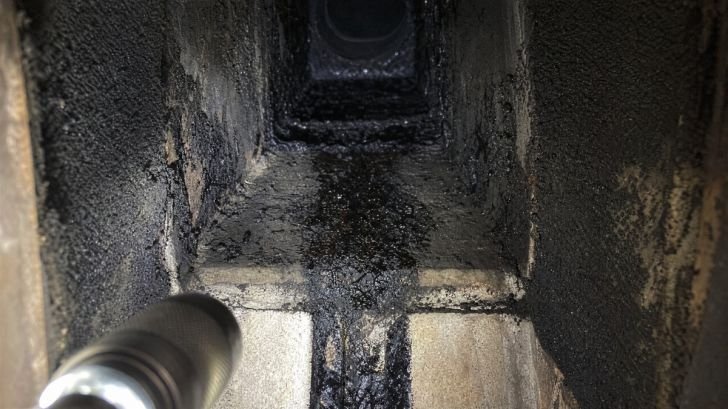
Chimney deterioration results from various factors that can compromise its safety and operation. Water infiltration is a primary cause, as moisture entering through cracks or damaged flashing leads to freeze-thaw cycles that cause bricks and mortar to crack or spall. Creosote buildup from burning wood accumulates on the flue walls and creates a highly flammable layer that increases the risk of chimney fires if not regularly removed.
Improper construction techniques or the use of substandard materials can accelerate wear and damage. Lack of routine maintenance also contributes significantly to deterioration, allowing small issues to worsen over time. Understanding these causes emphasizes the importance of regular inspections and proactive upkeep to preserve chimney functionality and safety.
Environmental factors such as extreme weather conditions, including heavy rain, snow, and temperature fluctuations, exacerbate deterioration by weakening masonry and metal components. UV exposure can also degrade chimney caps and flashing materials, reducing their effectiveness at preventing water and debris intrusion. Additionally, using inappropriate fuels or burning unseasoned wood can increase creosote formation, hastening internal damage and fire risks.
Structural problems such as settling foundations or shifting soil can cause misalignment or cracks in the chimney stack, further promoting deterioration. Animal activity, including birds or rodents nesting inside the flue or chimney cavity, can block ventilation and damage materials. Overall, a combination of environmental, operational, and structural factors contributes to chimney wear, highlighting the need for vigilant maintenance and timely repairs.
Repair and Maintenance Options
Addressing chimney issues promptly is essential to restore proper function and prevent hazards. Tuckpointing, or repointing mortar joints, repairs damaged or missing mortar to strengthen the chimney’s structure. Relining the flue with a stainless steel liner replaces cracked or deteriorated liners, improving safety and efficiency. Installing or replacing a chimney cap protects the chimney from rain, debris, and animals, reducing moisture problems and blockages.
Flashing repair or replacement ensures a watertight seal between the chimney and roof, preventing leaks. Professional creosote removal through sweeping eliminates dangerous deposits that could ignite. Preventative measures such as burning only seasoned hardwood, annual sweeping, using a chimney cap, and installing fireplace inserts help maintain chimney health and reduce the need for extensive repairs.
In some cases, structural reinforcements may be necessary to address leaning chimneys or foundation-related issues. Waterproofing treatments can be applied to masonry surfaces to repel moisture and prolong durability. Damper replacements or upgrades improve airflow control and energy efficiency. Homeowners can also consider installing spark arrestors or mesh screens to enhance safety and reduce the risk of embers escaping the chimney top.
Regular maintenance routines, including annual chimney sweeping and seasonal inspections, significantly extend the life of chimney systems. Implementing smart usage habits, such as avoiding the burning of synthetic materials or trash, further protects the chimney from damage. Engaging experienced professionals for repairs ensures that work complies with safety standards and building codes, safeguarding both the home and its occupants.
| Inspection Level | Scope | Typical Use | Cost Range (USD) |
|---|---|---|---|
| Level 1 | Visual inspection of accessible areas | Annual maintenance check | 100–250 |
| Level 2 | Includes video scanning of flue liner | Required for home buying/selling | 200–600 |
| Level 3 | Invasive inspection with removal of components | Suspected hidden damage investigation | Varies, typically higher |
Frequently Asked Questions
How often should a chimney be inspected?
The National Fire Protection Association recommends annual chimney inspections to identify potential hazards and ensure safe operation. Regular yearly checks help detect creosote buildup, structural damage, and blockages before they pose significant risks.
Why is creosote dangerous?
Creosote is a highly flammable byproduct of wood combustion that accumulates inside the chimney flue. Its buildup increases the risk of chimney fires, which can spread to the rest of the home if not removed by professional sweeping.
What is a chimney liner?
A chimney liner is a protective material inside the flue that channels combustion gases safely outside while protecting the chimney walls from heat and corrosion. Common liner materials include clay tiles and stainless steel.
Can I do a DIY chimney inspection?
Homeowners can perform basic exterior visual checks for obvious damage or blockages. However, full inspections require certified chimney sweeps who have the expertise and equipment to evaluate flue liners, creosote buildup, and internal conditions safely and thoroughly.
What is the cost of a chimney inspection?
Costs vary by inspection level and region. Level 1 inspections typically range from 100 to 250 dollars, while Level 2 inspections, which include video scanning, range from 200 to 600 dollars. Level 3 inspections are more expensive due to their invasive nature.
Can weather affect my chimney’s condition?
Yes, weather plays a significant role in chimney deterioration. Rain, snow, and temperature fluctuations can cause moisture intrusion and freeze-thaw damage, leading to cracks and weakening of masonry. Proper maintenance and protective measures help mitigate weather-related damage.
How can I prevent creosote buildup?
Burning seasoned hardwood instead of green or wet wood reduces creosote accumulation. Regular chimney sweeping and ensuring proper airflow also help prevent excessive creosote deposits, minimizing the risk of chimney fires.
Conclusion
Understanding the various components and potential issues involved in chimney inspections is vital for maintaining a safe and efficient fireplace system. Evaluations that include checking the flue liner, mortar joints, chimney cap, flashing, damper, and creosote levels are essential to preventing fire hazards and carbon monoxide exposure. Regular inspections, particularly annual Level 1 assessments and more detailed Level 2 inspections during property transactions, ensure that any problems are identified and addressed promptly, preserving both safety and functionality.
Chimney deterioration often results from water damage, freeze-thaw cycles, creosote buildup, and insufficient maintenance. Repair options such as tuckpointing, relining, flashing replacement, and professional creosote removal can restore chimney integrity and performance. Incorporating preventative measures like burning properly seasoned wood and installing chimney caps helps reduce risks and extends the life of the chimney system. Prioritizing routine inspections and timely repairs provides homeowners with confidence in their fireplace’s safety and reliability for years to come.