
Drainage problems around a home’s exterior are a primary cause of foundation damage and basement water intrusion. Identifying these issues early can prevent costly repairs and maintain the structural integrity of the property. Proper drainage ensures water is diverted away from the foundation, reducing hydrostatic pressure on walls and limiting moisture-related damage.
Water pooling near a foundation after rainfall, soggy lawn patches, and soil erosion around downspouts are common indicators of exterior drainage issues. These signs suggest that water is not flowing away from the house properly, potentially leading to cracks, bowing walls, or basement flooding. Detecting these symptoms through inspection helps homeowners address drainage problems before they worsen.
Recognizing the causes of drainage failures—such as negative grading, clogged gutters, or insufficient downspout extensions—enables effective corrective measures. Regular inspection combined with maintenance practices like regrading soil and extending downspouts can mitigate risks. Understanding how to detect and address drainage issues around a home’s exterior is essential for preserving the foundation and preventing water damage.
Beyond protecting the structural components, good drainage plays a vital role in preserving the overall landscape and curb appeal of a home. Poor drainage can lead to muddy yards, damaged plants, and even the growth of unwanted mold or mildew near exterior walls. By maintaining efficient water flow, homeowners not only protect their investment but also create a safer, more comfortable outdoor environment.
Moreover, the effects of poor drainage can extend to interior spaces, where persistent moisture problems may cause unpleasant odors, damage to flooring, and health risks from mold spores. Being vigilant about drainage conditions around a home’s exterior is, therefore, a key element in comprehensive home care and upkeep. Early detection and timely interventions can save significant time, money, and stress over the long term.
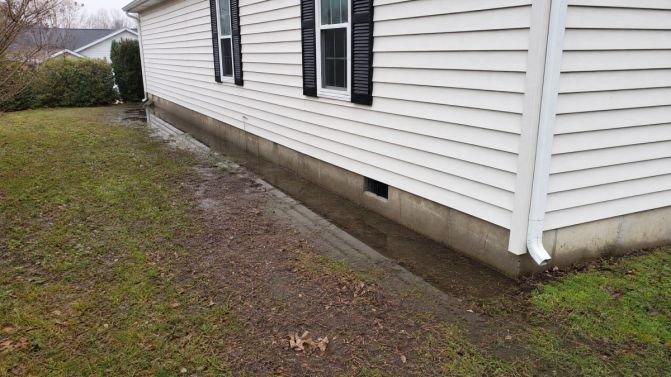
Common Signs of Drainage Issues
Identifying drainage issues often begins with observing visible signs around the home’s exterior. Water pooling near the foundation after rainstorms is one of the most obvious symptoms indicating poor water flow. Such pooling increases hydrostatic pressure against foundation walls, which may result in cracks or bowing over time. Additionally, soggy or waterlogged areas in the lawn close to the house often indicate inadequate drainage.
Other signs include soil erosion surrounding downspout outlets, where concentrated water flow removes soil and exposes foundation surfaces. Efflorescence, a white powdery deposit on basement walls, signals moisture intrusion through foundation materials. Water stains or discoloration on foundation walls also reveal persistent dampness. These indicators collectively point to underlying drainage problems requiring attention to prevent structural damage.
Another common symptom is the presence of mold or mildew growth near the base of exterior walls or inside the basement. These fungi thrive in damp environments, often indicating chronic moisture issues that stem from poor drainage. Additionally, the appearance of cracks in sidewalks or patios near the home can be a subtle sign of soil movement caused by excess water accumulation. Paying close attention to these signs can help homeowners take early action before damage becomes severe.
Landscaping issues may also reveal drainage problems. Plants that are wilting despite adequate watering or areas of grass that remain unusually green and soft can indicate pooling water beneath the surface. Conversely, dead patches may form where water drains too quickly. Noticing irregularities in the health of vegetation can serve as a natural alert to investigate drainage concerns around the property.
Primary Causes of Exterior Drainage Problems
Drainage issues frequently arise from surface grading that slopes toward the house, commonly known as negative grading. This condition directs rainwater and runoff toward the foundation rather than away from it, exacerbating moisture accumulation near basement walls. Clay-heavy soils with poor permeability can impede water absorption, increasing surface runoff and saturation near the foundation.
Clogged gutters and short or missing downspout extensions contribute significantly to drainage failures. Blocked gutters allow rainwater to overflow and saturate the soil adjacent to the foundation. When downspouts terminate too close to the house without proper extensions, water is discharged directly at the foundation base, promoting pooling and infiltration. In some cases, blocked French drains or other subsurface drainage systems also prevent effective water diversion.
In addition, landscaping features such as improperly installed patios, decks, or retaining walls can alter natural water flow patterns. These structures sometimes trap water or direct it toward the home unintentionally. The use of impermeable surfaces without adequate drainage solutions increases runoff volume and speed, overwhelming the existing drainage capacity. Awareness of how various exterior elements interact is essential to diagnose and resolve drainage problems effectively.
Tree roots and vegetation can also impact drainage negatively. Large roots may clog underground drainage pipes or damage foundation walls, while dense plantings close to the foundation can retain moisture and reduce air circulation. Soil compaction from heavy foot traffic or machinery use reduces permeability and exacerbates water pooling. Understanding these diverse causes helps in planning comprehensive corrective strategies.
Inspection Methods to Detect Drainage Issues
Effective detection of drainage problems involves a systematic inspection approach. After a heavy rain, walking the perimeter of the home reveals areas where water pools or saturates the soil. Using a level to check ground slope near the foundation helps determine if grading is adequate; the soil should slope away from the house at a minimum drop of six inches over ten feet.
Inspecting gutters and downspouts is crucial, looking for signs of clogs, sagging sections, or improper pitch that could hinder water flow. Examining basement walls for efflorescence or water stains provides evidence of moisture intrusion. Additionally, checking for soil erosion near downspouts or window wells can indicate failing drainage components. These inspection steps help pinpoint specific drainage deficiencies that require correction.
Another useful method is to conduct a soil permeability test in affected areas. This involves digging small holes and observing how quickly water drains into the ground. Slow drainage may suggest compacted or clay-heavy soils requiring soil amendment or improved drainage solutions. Thermal imaging cameras can also detect moisture behind walls or under slabs, revealing hidden leaks or saturation not visible to the naked eye.
Regular monitoring over multiple rainfalls provides a clearer picture of drainage performance. Documenting observations with photos and notes helps track problem areas and assess the effectiveness of any repairs made. Homeowners should also observe the condition of sump pumps and interior drainage systems during inspections to identify potential issues before they escalate.
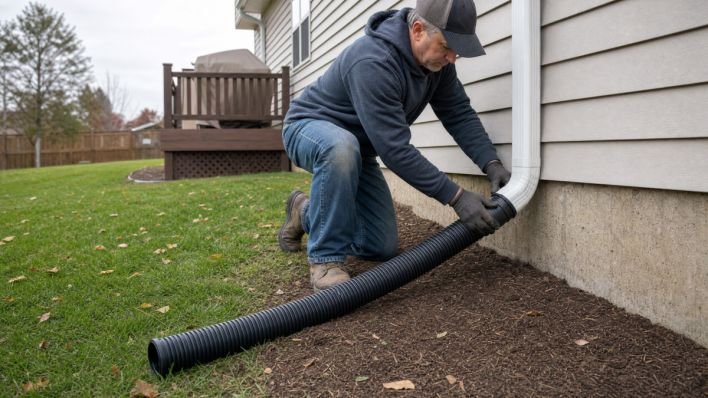
Solutions for Correcting Exterior Drainage Issues
Correcting exterior drainage problems typically involves regrading the soil to ensure a proper slope away from the foundation. A recommended grade is a six-inch drop within the first ten feet from the house, which effectively directs surface water away. Extending downspouts at least six feet from the foundation reduces water pooling near walls, minimizing hydrostatic pressure and seepage risk.
Installing French drains or catch basins can improve subsurface drainage by redirecting groundwater away from the foundation. These systems consist of perforated pipes surrounded by gravel trenches that collect and channel water to a safe discharge point. Additionally, adding window well covers and applying waterproof coatings to basement walls can prevent water intrusion. Together, these solutions address both surface and subsurface drainage challenges.
In some cases, installing rain gardens or bioswales can offer environmentally friendly solutions by absorbing and filtering runoff naturally. These landscaping features use plants and soil to slow water flow and enhance infiltration, reducing the volume directed toward the foundation. Incorporating such green infrastructure can complement traditional drainage corrections while improving property aesthetics and supporting local ecosystems.
For more complex problems, installing a sump pump system inside the basement may be necessary to actively remove water that accumulates despite exterior measures. Regular maintenance of these pumps is critical to ensure they function when needed. Additionally, sealing foundation cracks and improving window well drainage can further protect against moisture intrusion. Combining multiple approaches tailored to the property’s specific issues provides the best long-term results.
| Solution | Description | Effectiveness | Typical Cost Range |
|---|---|---|---|
| Regrading Soil | Adjusting ground slope away from foundation | High for surface water management | Moderate ($500–$2,000) |
| Downspout Extensions | Extending downspouts to discharge water farther | High for reducing foundation water pooling | Low ($50–$200) |
| French Drain Installation | Subsurface drainage system to redirect groundwater | High for groundwater control | High ($1,500–$4,000) |
| Waterproofing Basement Walls | Applying sealants or membranes to prevent water intrusion | Moderate to high depending on method | Moderate ($1,000–$3,000) |
| Window Well Covers | Protecting window wells from water accumulation | Moderate for localized water prevention | Low ($100–$500) |
Prevention and Maintenance of Exterior Drainage
Regular maintenance is vital to prevent drainage issues around a home’s exterior. Cleaning gutters at least twice yearly removes debris that could cause clogs and overflow during rainfall. Maintaining proper soil grading requires periodic checks, especially after landscaping or construction activities that may alter the slope near the foundation.
Extending downspouts and ensuring their proper function minimizes water discharge near the house. Planting water-absorbing vegetation at a distance from the foundation can help manage runoff naturally by enhancing soil absorption. Finally, inspecting drainage performance after heavy storms allows early detection of emerging problems, enabling timely repairs before damage occurs.
In addition to these routine tasks, homeowners should monitor the condition of drainage components such as French drains, catch basins, and sump pumps. Clearing debris and checking for blockages ensures these systems operate effectively. Seasonal inspections are beneficial, especially before and after winter months, as freeze-thaw cycles can damage infrastructure and alter soil grading.
Maintaining a healthy landscape also plays an important role in drainage prevention. Avoid planting large trees too close to the foundation, as roots can disrupt underground drainage pipes and soil stability. Incorporating mulch and ground covers helps retain moisture balance and reduces soil erosion. Thoughtful landscaping combined with regular upkeep supports long-term drainage health.
Frequently Asked Questions About Detecting Drainage Issues
What is the proper grading slope for exterior drainage?
The recommended grading slope is a minimum drop of six inches within the first ten feet away from the foundation. This slope ensures water flows away from the house, reducing the risk of pooling and hydrostatic pressure on foundation walls. Maintaining this grade is a fundamental step in effective exterior drainage management.
How can I identify clogged gutters?
Clogged gutters often cause water to overflow during rain, visible debris accumulation inside gutter channels, and sagging sections due to the weight of wet debris. Overflowing gutters may also stain siding or cause soil erosion near the foundation. Regular inspection and cleaning help detect and prevent clogging.
What is a French drain and how does it work?
A French drain is a subsurface drainage system consisting of a perforated pipe buried in a gravel-filled trench. It collects groundwater through the perforations and redirects it away from the foundation to a designated discharge area. This system helps prevent water accumulation and reduces hydrostatic pressure on basement walls.
Can I regrade my yard myself or should I hire a contractor?
Minor regrading tasks, such as adjusting small areas near the foundation, can be attempted as a DIY project if proper tools and knowledge are available. However, major regrading or extensive landscaping changes usually require professional contractors to ensure correct slope, soil compaction, and drainage performance, avoiding future problems.
How do exterior drainage issues affect my home foundation?
Poor exterior drainage causes water to pool near the foundation, increasing hydrostatic pressure on walls. This pressure can lead to foundation cracks, wall bowing, and water intrusion into basements. Over time, these issues compromise structural integrity, resulting in costly repairs and potential safety hazards.
How often should I inspect my home for drainage issues?
It is advisable to inspect your home’s drainage system at least twice a year, ideally in the spring and fall. Additionally, inspecting after heavy rainstorms can help identify immediate problems such as pooling or gutter overflow. Regular inspections allow early detection and timely maintenance, preventing small issues from becoming major repairs.
Can landscaping improve my exterior drainage?
Yes, landscaping can significantly improve exterior drainage by directing water flow away from the foundation and enhancing soil absorption. Incorporating features such as rain gardens, swales, and strategically placed plants helps manage runoff naturally. Proper landscaping also reduces erosion and protects drainage infrastructure from damage.
What are the risks of ignoring drainage problems?
Ignoring drainage problems can lead to severe consequences, including foundation settlement, basement flooding, mold growth, and structural damage. Prolonged moisture exposure weakens building materials and decreases indoor air quality. Repair costs escalate over time, making early detection and correction essential to safeguarding a home’s value and safety.
Conclusion
Detecting drainage issues around a home’s exterior is essential for protecting the foundation and preventing water damage. Visible signs such as water pooling, soil erosion, and staining indicate potential problems that require prompt inspection and intervention. Understanding the causes, inspection methods, and solutions helps maintain proper water management around the property.
Implementing corrective measures like regrading, extending downspouts, and installing drainage systems combined with regular maintenance ensures long-term drainage performance. Proactive management of exterior drainage reduces the risk of foundation damage and preserves the structural health of the home for years to come.