
A failing septic system requires prompt attention to avoid serious health and environmental consequences. Recognizing the signs of failure and understanding the causes can help homeowners take necessary actions to restore proper function. Addressing a malfunctioning septic system involves inspection, maintenance, and sometimes repair or replacement of components.
Septic systems treat household wastewater on-site through a combination of a septic tank and a drain field. Approximately 21 million homes in the United States depend on these systems, especially in areas without access to centralized sewer services. When the system fails, untreated sewage can contaminate groundwater and nearby water sources, posing risks to human health and local ecosystems.
Proper maintenance, timely inspections, and awareness of common problems are essential for prolonging the life of a septic system. Homeowners should be familiar with indicators of failure, causes behind issues, and the steps to take for repair or prevention. This ensures the system continues to function effectively and safely over time.
Understanding septic system components and how they work together is key to preventing costly repairs. The septic tank collects solids and separates them from the wastewater, while the drain field allows treated liquid to percolate into the soil. When either part malfunctions, the entire system can become compromised. Educating oneself about proper usage and care can save thousands in expenses and protect property value.
Environmental considerations are also critical, as a failing septic system can lead to contamination of private wells or nearby lakes and streams. Protecting local water quality benefits not only individual homeowners but also the broader community. Awareness of the signs and causes of failure empowers residents to take proactive steps and maintain a safe living environment.
Signs of a Failing Septic System
Identifying a failing septic system early is critical to minimize damage and health risks. Common indicators include unpleasant sewage odors both inside and outside the home, which suggest that wastewater is not being properly contained or treated. Homeowners may also notice slow drains or gurgling sounds in plumbing fixtures, which can indicate blockages or improper flow within the system.
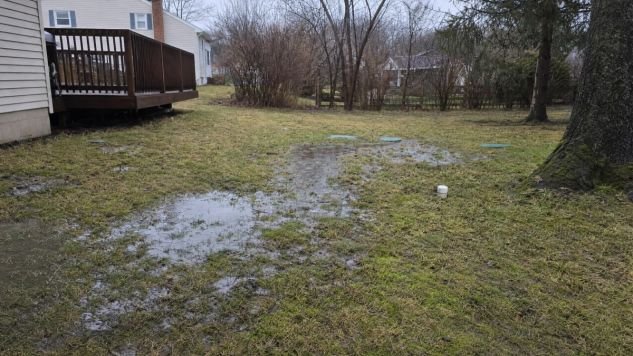
Additional signs include wet or soggy areas in the yard, particularly over the drain field, which may result from sewage surfacing due to saturation. Bright green grass growth over the drain field is another warning sign, as the excess nutrients from effluent can stimulate unusual vegetation. Sewage backups into the home or outdoor plumbing should be treated as emergencies, requiring immediate professional attention.
Other subtle signs of a failing system can be persistent plumbing backups or unusually lush patches of grass during dry periods, which often go unnoticed. Changes in water quality, such as cloudy or bad-tasting well water near the property, can also hint at septic system problems. Paying attention to these less obvious symptoms can lead to earlier diagnosis and prevent more extensive damage.
Seasonal variations may exacerbate certain symptoms, such as increased pooling in the yard after heavy rains or snowmelt. Homeowners should observe any changes in their property’s drainage patterns or water usage that coincide with these environmental factors. Documenting such occurrences can assist professionals in pinpointing the cause of failure during inspection.
Common Causes of Septic System Failure
Septic system failure often results from neglecting regular maintenance and improper usage. One primary cause is the failure to pump the septic tank every three to five years as recommended. Over time, solids accumulate and reduce tank capacity, leading to sludge overflow into the drain field. Flushing non-biodegradable items such as wipes, feminine hygiene products, or grease can cause clogs and damage system components.
Excessive water use stresses the system by overwhelming the tank and drain field, preventing proper treatment and absorption. Root intrusion from nearby trees may invade and damage pipes or the drain field, causing blockages or leaks. Soil saturation due to heavy rainfall or improper drainage can also hinder effluent absorption. Aging systems, typically over 20 to 40 years old, may deteriorate beyond repair due to material fatigue and outdated design.
Another common cause of failure is the compaction of soil over the drain field, often caused by heavy vehicles parking or driving over the area. This compression reduces soil porosity and impedes the natural filtering process, causing effluent to surface. Additionally, landscape alterations near the septic system, such as excavation or construction, can disrupt system components or change water flow patterns.
Improper system design or installation can also contribute to premature failure. A drain field placed in unsuitable soil, such as heavy clay, or too close to water bodies may never function efficiently. Lack of adherence to local codes during installation may result in undersized tanks or inadequate spacing, increasing the likelihood of problems over time.
Inspecting a Failing Septic System
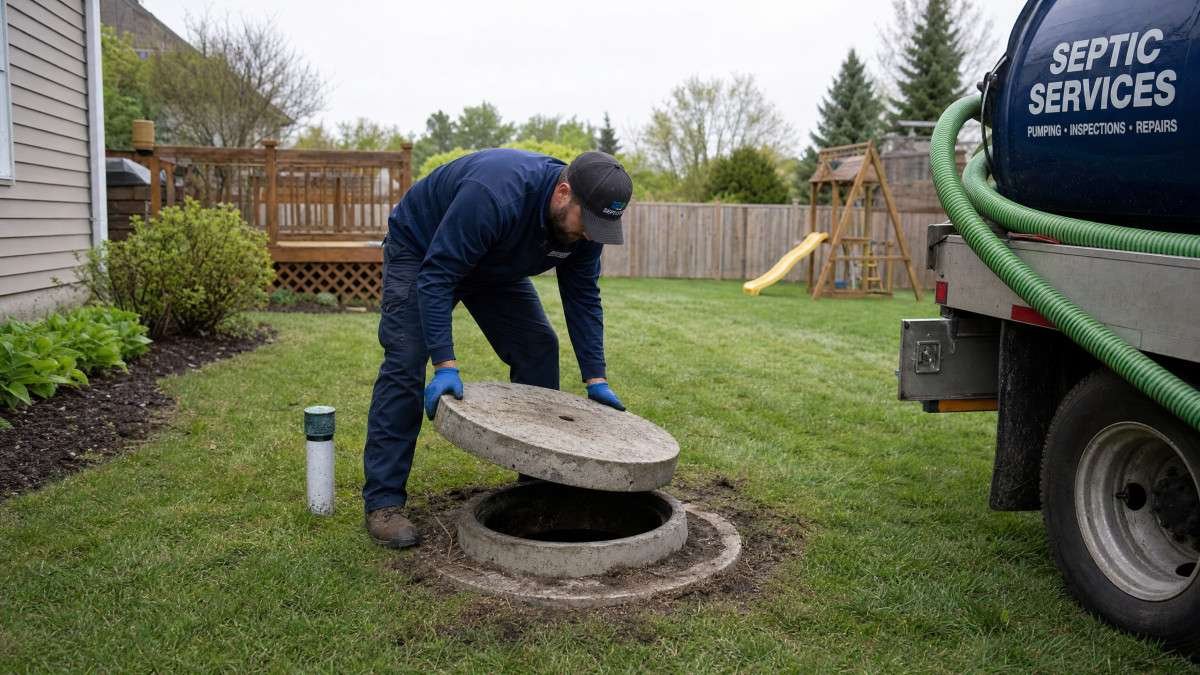
Thorough inspection of a septic system helps diagnose problems accurately and guides repair decisions. The process begins by locating and uncovering the septic tank lids to access the interior. Checking the levels of scum and sludge inside the tank ensures that solids are not exceeding capacity. Inspecting the baffles, which prevent solids from entering the drain field, is necessary to confirm they are intact and functioning properly.
The distribution box, which evenly disperses effluent to the drain field, must be examined for damage or blockages. Probing the drain field for signs of saturation or pooling helps determine if soil absorption is compromised. These inspections are best performed by trained professionals, but knowledgeable homeowners can perform some basic checks to identify obvious issues. Accurate inspection data is essential for determining whether pumping, repairs, or replacements are required.
Inspection should also include assessing the condition of inlet and outlet pipes for cracks or clogs. Monitoring water levels inside the tank can reveal if effluent is backing up, indicating a downstream problem. Checking for surface breaks, depressions, or odors above the drain field can provide clues about system functionality. Keeping detailed records of inspection findings helps track system performance over time.
Environmental factors such as heavy rainfall or frozen ground can affect inspection results, so timing inspections appropriately ensures accurate assessment. It is also advisable to inspect septic systems before purchasing a home or after severe weather events. Coordinating inspections with licensed septic professionals guarantees compliance with local regulations and increases the likelihood of identifying hidden defects early.
Fixing and Maintaining a Septic System
Addressing a failing septic system typically involves a combination of pumping, repairs, and preventative maintenance. If the tank is full of solids, pumping it out is the first step to restore capacity. Repairing or replacing damaged baffles prevents solids from entering the drain field. Installing a new distribution box may be needed if the existing one is cracked or clogged, ensuring even effluent distribution.
Drain fields showing signs of saturation can sometimes be aerated or rested by diverting wastewater temporarily. In severe cases, complete drain field replacement is necessary. Preventative maintenance includes pumping the tank every three to five years, avoiding flushing wipes, grease, or harsh chemicals, and spreading out laundry loads to reduce water stress. Diverting surface water away from the drain field and planting only grass over it prevents root damage and soil saturation.
Repairing a septic system promptly reduces the likelihood of extensive damage and higher expenses. Small leaks or damaged pipes can often be fixed without replacing large components. Additionally, installing effluent filters can improve tank performance by trapping solids and preventing drain field clogging. Homeowners may also consider septic system additives with caution, ensuring they do not interfere with natural bacterial activity.
Regular maintenance activities extend beyond pumping and repairs. Monitoring water use and educating family members about what can be safely flushed helps protect the system. Periodic inspections by professionals not only identify early problems but also provide an opportunity for system upgrades or improvements that enhance longevity and efficiency.
| Maintenance Task | Frequency | Purpose |
|---|---|---|
| Septic tank pumping | Every 3 to 5 years | Remove accumulated solids to prevent overflow |
| Inspection of baffles and distribution box | Annually or as needed | Ensure components are intact and functioning |
| Drain field assessment | Every 1 to 3 years | Check for saturation, leaks, and vegetation changes |
| Avoid flushing non-biodegradable items | Continuous | Prevent clogs and damage to system components |
| Divert surface water from drain field | As necessary | Prevent soil saturation and system overload |
Preventing Septic System Failure
Prevention of septic system failure relies on consistent maintenance and mindful household habits. Regular pumping every three to five years removes accumulated solids before they cause blockages or damage. Avoiding the flushing of wipes, grease, medications, or harsh chemicals preserves the bacterial balance within the tank and prevents clogs. Spreading laundry loads throughout the week reduces water volume entering the system at once, lessening stress on the drain field.
Diverting rainwater and surface runoff away from the drain field helps maintain proper soil absorption conditions. Planting only grass or shallow-rooted plants over the drain field avoids root intrusion into pipes. Educating household members about proper septic system care and promptly addressing minor issues can extend the system’s life and reduce repair costs.
Installing water-efficient fixtures and appliances can reduce the volume of wastewater entering the septic system, thereby decreasing the risk of overload. Repairing leaks immediately and reducing unnecessary water use helps maintain system balance. Moreover, avoiding the use of harsh household chemicals like bleach or antibacterial cleaners in large quantities prevents disturbance of the beneficial bacteria that treat wastewater.
Periodic evaluation of landscaping practices around the septic area is also beneficial. Avoiding heavy machinery or vehicles on the drain field prevents soil compaction. Maintaining clear access to the septic tank and drain field ensures that inspections and pumping can be carried out without obstruction, facilitating ongoing care and early problem detection.
Frequently Asked Questions
How often should I pump my septic tank?
Septic tanks generally require pumping every three to five years, depending on household size and water usage. Regular pumping prevents solids from accumulating beyond the tank’s capacity and reduces the risk of drain field contamination. More frequent pumping may be necessary for larger families or systems serving heavy water use.
Are septic tank additives recommended?
The Environmental Protection Agency does not recommend the routine use of septic tank additives. These products claim to enhance bacterial activity or dissolve solids but often do not provide consistent benefits. Proper maintenance, including regular pumping and responsible usage, is more effective in preserving system function.
What should I avoid flushing into my septic system?
Items such as wipes (even those labeled flushable), feminine hygiene products, grease, medications, and harsh chemicals should never be flushed. These materials can clog or damage system components and disrupt the natural bacterial processes essential for wastewater treatment.
What is the average lifespan of a septic system?
With proper maintenance, septic systems typically last between 20 and 40 years. Factors influencing longevity include soil conditions, system design, usage patterns, and timely repairs. Neglecting maintenance can significantly shorten system lifespan.
How much does drain field replacement usually cost?
Replacing a drain field can cost between three thousand and fifteen thousand dollars, depending on the size, soil conditions, and local labor rates. This significant expense highlights the importance of preventative care and early intervention to avoid complete drain field failure.
Can I continue using my septic system during repairs?
During minor repairs, it may be possible to continue limited use of the septic system, but this depends on the extent of damage. For major repairs, especially those involving the drain field, it is often necessary to reduce or halt water usage temporarily to prevent further damage. Consulting a professional is essential to determine safe usage during repairs.
Conclusion
A failing septic system poses serious risks to both health and the environment, making early detection and prompt action essential. Recognizing signs such as odors, slow drains, or wet patches over the drain field enables timely inspections and repairs. Proper maintenance routines, including regular pumping and avoiding harmful flushables, extend system life and reduce costly failures.
Homeowners should remain vigilant about their septic system’s condition and implement preventative measures to protect their investment and local water quality. Addressing problems proactively with professional inspections and repairs preserves system function, ensuring safe and effective wastewater treatment for years to come.
By adopting responsible water use habits and scheduling routine system evaluations, property owners can avoid many common causes of failure. Maintaining a healthy septic system supports not only the household but also the surrounding environment, contributing to cleaner water and healthier communities.
Regular communication with septic service professionals helps stay ahead of potential issues and provides peace of mind. Investing time and resources in septic system care pays dividends through reduced repair costs and sustained property value, making it a wise priority for any homeowner.