
Attic ventilation works by allowing cool air to enter through intake vents, typically located in the soffits, and warm, moist air to exit through exhaust vents such as ridge or gable vents. This airflow balances temperature and humidity, reducing condensation and heat buildup that can damage roofing materials and insulation. Knowing how to identify proper ventilation components is the first step toward an effective attic ventilation system.
Checking for proper attic ventilation involves visual inspection of vent placement and condition, measuring temperature differences, and looking for signs of moisture or heat-related damage. Homeowners can perform some basic checks themselves, but understanding the recommended ventilation ratios and common problems is essential to ensure the attic functions as intended. This knowledge helps prevent costly repairs and improves energy efficiency year-round.
Understanding Attic Ventilation Basics
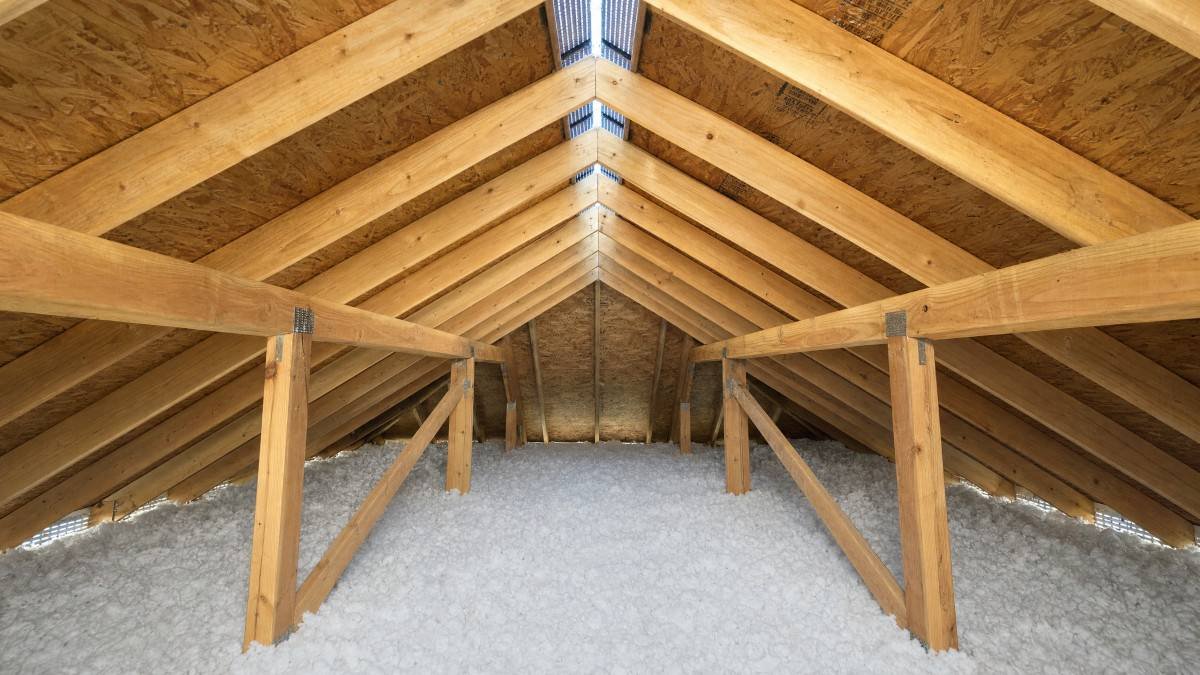
Proper attic ventilation relies on a balance between intake and exhaust vents to facilitate continuous airflow through the attic space. Intake vents are typically located along the soffits or eaves, allowing cooler outside air to enter the attic. Exhaust vents, often ridge or gable vents, release warm, moist air from the attic to the outside. This exchange prevents heat buildup and moisture accumulation that could damage the roof structure or insulation.
The ventilation system functions most effectively when there is a proper net free ventilation area, which is the open space in vents allowing air to flow unobstructed. The standard recommendation is one square foot of net free ventilation for every 150 square feet of attic floor space. If a vapor barrier is present in the attic, this ratio can be reduced to one square foot per 300 square feet. Achieving this ratio ensures adequate airflow to maintain temperature and moisture control.
Without proper ventilation, attics can become excessively hot during summer and retain moisture during winter, leading to various problems. Excess heat causes roofing materials to degrade prematurely, while moisture encourages mold growth and wood rot. Ice dams may form in colder climates when heat escapes through the attic, melting snow on the roof that refreezes at the eaves. Understanding these basics helps identify what proper ventilation looks like and why it is vital.
Identifying Signs of Poor Attic Ventilation
Recognizing the symptoms of inadequate attic ventilation is key to early detection and prevention of damage. One common sign is excessive heat buildup during summer months, which may be noticeable from the interior ceiling or by feeling unusually warm attic spaces. High attic temperatures increase cooling costs and accelerate roofing material deterioration. Identifying this early allows timely corrective action.
Wintertime issues such as ice dams along roof edges indicate heat loss through the attic due to insufficient ventilation and insulation. Frost or condensation on roof sheathing and mold growth on rafters are further indicators of trapped moisture. Exterior signs include peeling or blistering paint on the eaves or fascia boards caused by moisture intrusion. Additionally, unexplained high energy bills can point to ventilation problems increasing heating and cooling loads.
Homeowners should also be aware of blocked vents, especially soffit vents obstructed by insulation or debris. Improperly placed vents or bathroom exhaust fans venting directly into the attic space contribute to moisture accumulation. Identifying these signs early through visual and temperature inspection helps prevent long-term structural damage and costly repairs.
How to Inspect Your Attic Ventilation
Inspecting attic ventilation begins with a thorough visual examination of all vent components. Start by checking soffit vents for visible openings and ensuring they are not blocked by insulation, debris, or paint. Intake vents must remain clear for adequate airflow. Next, examine ridge or gable vents for unobstructed openings and ensure they are installed along the highest point of the roof for optimal exhaust performance.
Temperature measurement is a useful way to verify ventilation effectiveness. On a warm day, the attic temperature should not exceed the outdoor temperature by more than 10 to 15 degrees Fahrenheit. A significantly hotter attic suggests poor ventilation or insulation issues. Additionally, inspect roof sheathing and rafters for signs of moisture stains, mold, or frost buildup, which indicate ventilation problems.
Other inspection steps include verifying that bathroom or kitchen exhaust fans are vented directly outdoors rather than into the attic, as improper venting introduces moisture into the attic environment. Checking insulation depth and placement is also important to ensure it does not cover intake vents. Using a flashlight and mirror can help inspect hard-to-see areas. Regular inspections, ideally annually, support ongoing attic health.
Common Causes and Fixes for Poor Attic Ventilation
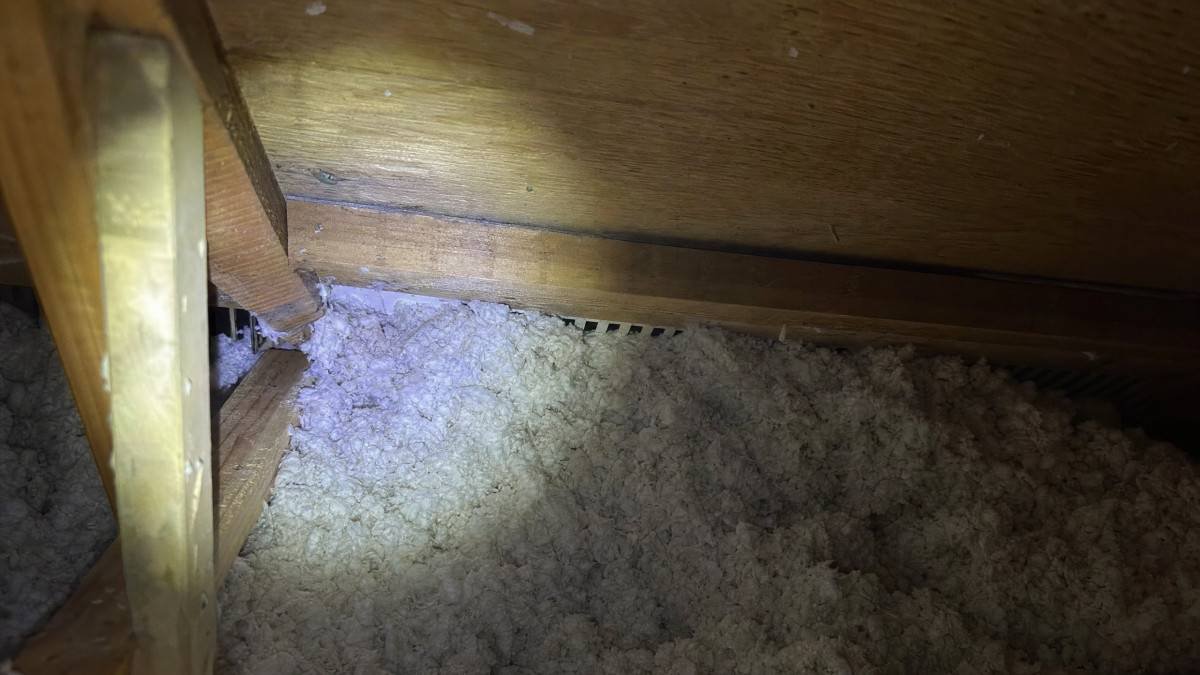
Poor attic ventilation often results from blocked intake vents, insufficient vent area, or improperly placed exhaust vents. One frequent issue is insulation extending into soffit vents, blocking the intake airflow. This restriction disrupts the ventilation cycle, causing heat and moisture to accumulate. Inadequate vent size or missing vents also lead to poor air exchange, reducing system effectiveness.
Another common cause is bathroom or kitchen exhaust fans venting into the attic rather than outside, introducing excess moisture that encourages mold and rot. Improper vent placement that prevents air from flowing freely through the attic space reduces ventilation efficiency. Addressing these causes involves clear identification and targeted fixes to restore balanced airflow.
Solutions include installing additional soffit and ridge vents to increase net free ventilation area and improve air exchange. Rafter baffles can be added to maintain a clear path between insulation and soffit vents, preventing blockage. Redirecting exhaust fans to the exterior eliminates moisture sources inside the attic. In some situations, powered attic ventilators may be installed to assist airflow, but they should be used cautiously to avoid creating negative pressure that draws conditioned air from living spaces.
| Solution | Purpose | Advantages | Considerations |
|---|---|---|---|
| Soffit Vents | Intake airflow | Allows cool air entry; passive, low cost | Must be clear of insulation; requires proper sizing |
| Ridge Vents | Exhaust airflow | Even ventilation along roof peak; effective passive exhaust | Needs sufficient soffit intake to function well |
| Rafter Baffles | Maintain airflow path | Prevents insulation blockage; inexpensive installation | Must be installed correctly to ensure airflow |
| Redirected Exhaust Fans | Remove moisture source | Prevents attic humidity; protects structure | Requires proper venting ductwork to exterior |
| Powered Attic Ventilators | Enhance air movement | Increases ventilation in stagnant attics | Can cause negative pressure; energy cost considerations |
Preventative Maintenance and Best Practices
Maintaining proper attic ventilation requires regular inspection and upkeep to ensure vents remain clear and functional. Annual attic checks help identify blockages, damage, or early signs of moisture problems before they escalate. Keeping soffit vents free from debris, dirt, or paint buildup maintains intake airflow. Trimming tree branches that block vent openings also supports ventilation efficiency.
Proper insulation installation is critical to preventing vent blockage. Insulation should stop short of soffit vents, and rafter baffles should be installed to maintain airflow channels. Ensuring the insulation depth is adequate improves energy efficiency while not impeding ventilation pathways. Additionally, verifying that exhaust fans are correctly vented outside rather than into the attic prevents moisture accumulation.
Homeowners should monitor attic temperatures seasonally and look for signs of condensation or mold growth. Addressing issues promptly helps avoid structural damage and costly repairs. Consistent maintenance combined with appropriate ventilation design enhances attic durability, reduces energy costs, and improves indoor air quality throughout the year.
Frequently Asked Questions
What is the correct ratio for attic ventilation?
The standard recommendation for attic ventilation is one square foot of net free ventilation area per 150 square feet of attic floor space. If a vapor barrier is installed, this ratio can be reduced to one square foot per 300 square feet. This ratio ensures adequate airflow to regulate moisture and temperature effectively.
Can you have too much attic ventilation?
Having excessive ventilation is rarely a problem, but an unbalanced system with too much intake or exhaust can cause airflow issues. For example, excessive exhaust without enough intake can create negative pressure, drawing conditioned air from the living space. Balanced intake and exhaust are essential for proper ventilation performance.
Do I need a professional to check attic ventilation?
Basic attic ventilation inspections, such as checking vents for blockage and measuring temperature differences, can be done by homeowners. However, complex issues like improper vent placement, significant moisture problems, or determining ventilation adequacy for remodeling projects often require a professional roofing or insulation contractor.
How do attic ventilation problems cause ice dams?
Poor attic ventilation allows heat to escape from the living space into the attic, warming the roof deck and melting snow on the roof. The melted water runs down to the colder eaves where it refreezes, forming ice dams. These ice dams can damage shingles, gutters, and cause water intrusion into the home.
Can proper attic ventilation reduce energy bills?
Yes, proper attic ventilation lowers summer attic temperatures, reducing the cooling load on air conditioning systems. It also helps maintain insulation effectiveness and prevents moisture buildup that can compromise thermal performance. Together, these factors contribute to lower energy consumption and utility bills.
Conclusion
Checking for proper attic ventilation involves understanding the balance of intake and exhaust vents, inspecting for visual and temperature signs of airflow issues, and addressing common causes such as blocked soffit vents or improperly vented exhaust fans. Maintaining the recommended ventilation ratio and ensuring vents remain unobstructed promotes a healthy attic environment that protects the roof structure and improves energy efficiency.
Regular preventative maintenance, including annual inspections and proper insulation techniques, is essential to sustain effective ventilation. Early identification and correction of ventilation problems prevent costly repairs, mold growth, and ice dam formation. Attic ventilation plays a vital role in home durability and comfort, making it important to monitor and maintain throughout the life of the building.